
Qahwat Al’ard’s Cowboy Blend is the best all-around medium roast for most coffee drinkers, thanks to its balanced body and caramel warm finish that works across drip, pour-over, and French press. If you’re not sure what you like yet, start with the Single Origin Favorites Sample Pack instead of committing to a full bag. Every bag is roasted to order, so freshness is never a guessing game.
TL;DR:
- Nearly all medium roasts, including Cowboy Blend, perform well across different brewing methods, making their versatility a key advantage.
- Freshness significantly impacts flavor; look for roast dates within the past two to four weeks and packaging with proper valves for optimal taste.
- Sampling packs allow consumers to compare profiles and establish preferences before committing to larger quantities, reducing the risk of dissatisfaction.
- Single origin coffees highlight regional character but can be less consistent than blends like Cowboy Blend, which prioritize reliability and flavor balance.
- Medium roast remains the most popular choice in the U.S. because it balances acidity, flavor, and adaptability across brew types.
Table of Contents
- What Are the Best Medium Roast Coffees to Buy Right Now?
- How Do You Pick the Right Medium Roast for Your Taste?
- What Does “Medium Roast” Actually Mean?
- Why Trust These Medium Roast Picks?
- When Does a Medium Roast Actually Earn Its Spot in the Rotation?
- Ready to Try These Medium Roasts for Yourself?
- Where Did These Tasting and Buying Claims Come From?
- Sources
- FAQ
What Are the Best Medium Roast Coffees to Buy Right Now?
Picking a medium roast comes down to matching the bean to how you actually drink coffee, not just grabbing whatever bag has the prettiest label. Below is a shortlist built around real use cases, from your everyday drip pot to iced coffee on a hot afternoon.
Everyday go-to picks
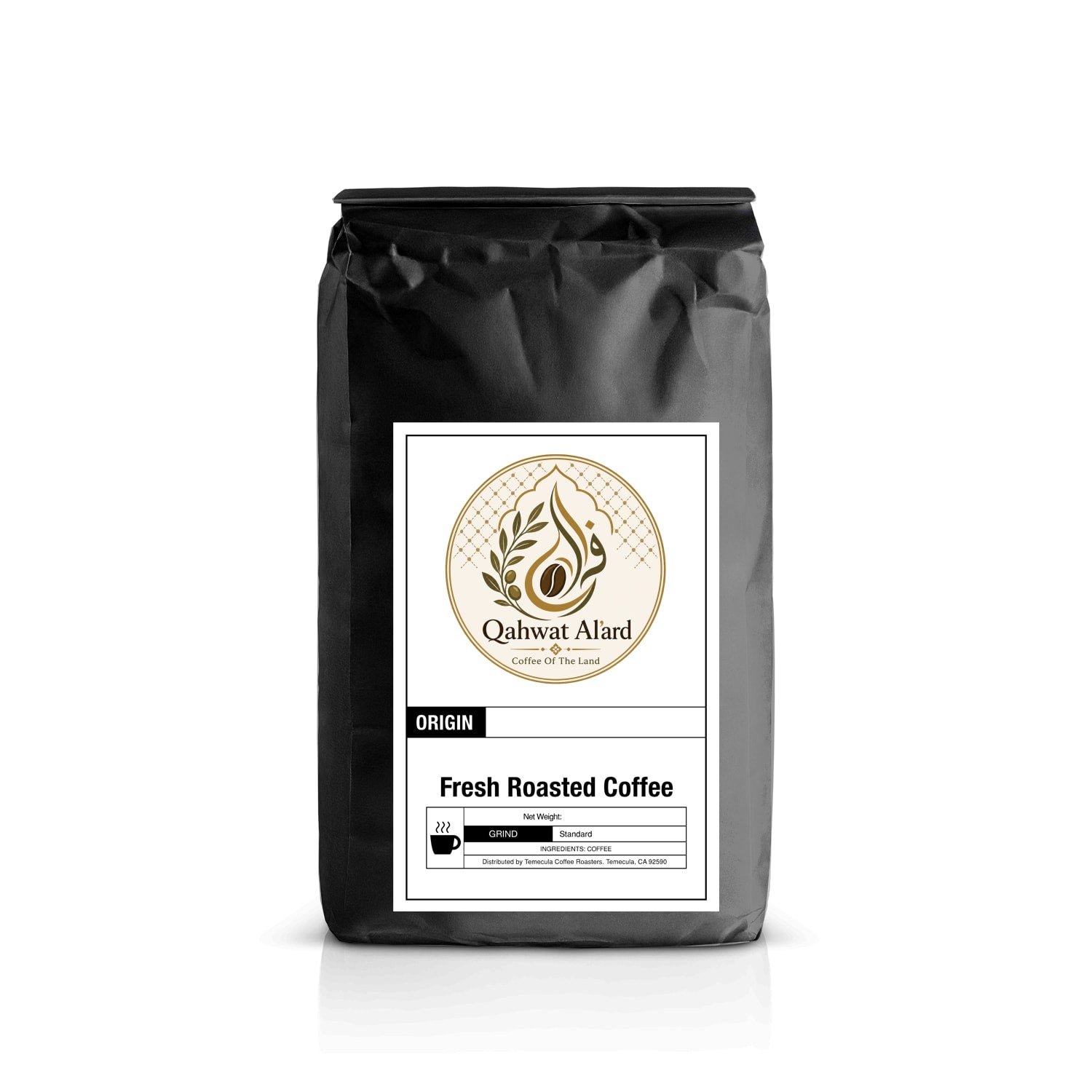
Cowboy Blend is the workhorse of the lineup. It’s a house-style blend built for a daily cup, with a smooth body and notes of brown sugar and toasted nut that hold up whether you’re using a basic drip machine or a pour-over cone. It comes as whole bean or ground, and a 12oz bag is the smart buy once you know you like it.
English Breakfast leans slightly brighter than Cowboy Blend, with a malty backbone and a clean finish that plays well with milk. It’s a strong pick for anyone transitioning from a darker roast who still wants some richness without the ashy edge. Available whole bean or ground.
Espresso-friendly picks
Mocha and Caramel both bring naturally sweet, dessert-like notes that hold their own under pressure and steam. Mocha carries a cocoa-forward profile that pairs beautifully with steamed milk, while Caramel leans into a buttery sweetness that doesn’t need added syrup. Both work as whole bean for home espresso setups, and both show up in the Flavored Coffees Sample Pack if you want to test them before buying a full bag.
Iced and bright picks
Peach Paradise is the one to reach for when the weather turns warm. Its fruit-forward profile holds up over ice better than heavier, chocolate-driven roasts, and it makes a genuinely refreshing cold brew without turning watery. Earl Grey, despite the tea-inspired name, brings a citrus and bergamot lift that also shines cold, and it’s a favorite among readers who want something other than straight black coffee in the afternoon.
Flavored and adventurous picks
If you like to rotate flavors instead of settling on one bag, the Flavored Coffees Sample Pack bundles several of these profiles, including Caramel, Mocha, and seasonal options, into smaller portions so you can taste your way to a favorite. It’s built specifically for drinkers who get bored with the same cup every morning.
Here’s how the lineup breaks down at a glance:
| Product | Best for | Flavor notes | Formats | Buy cue |
|---|---|---|---|---|
| Cowboy Blend | Everyday drip, French press | Brown sugar, toasted nut | Whole bean, ground | 12oz bag |
| English Breakfast | Everyday, milk drinks | Malty, clean finish | Whole bean, ground | 12oz bag |
| Mocha | Espresso, lattes | Cocoa, sweet finish | Whole bean, sample pack | Sample pack first |
| Caramel | Espresso, everyday | Buttery caramel | Whole bean, sample pack | Sample pack first |
| Peach Paradise | Iced, cold brew | Fruit-forward, bright | Whole bean, ground | Single bag |
| Earl Grey | Iced, afternoon cup | Citrus, bergamot lift | Whole bean, ground | Single bag |
| Flavored Coffees Sample Pack | Trying multiple flavors | Varies by bag | Sample pack | Start here |
| Single Origin Favorites Sample Pack | Origin exploration | Varies by origin | Sample pack | Start here |
Pro Tip: If you can’t decide between a single origin and a blend, think about what you’re chasing. Single origins show off one region’s personality (think a Colombian bean’s cocoa depth or a Peruvian bean’s soft citrus), while blends like Cowboy Blend are engineered for consistency, cup after cup. Check the bag for a printed roast date before you buy; if you can’t find one, that’s worth asking about.
For readers who want to dig deeper into how origin shapes flavor, the single-origin versus blended comparison breaks down the trade-offs in more detail.
How Do You Pick the Right Medium Roast for Your Taste?
Choose by how you brew first, then narrow down by flavor. Brewing method dictates extraction time and pressure, which changes how a bean’s sweetness and acidity actually show up in the cup, so it matters more than most buying guides admit.
- Decide your primary brew method. Drip and pour-over favor beans with clean, distinct notes like English Breakfast or Peach Paradise. Espresso favors sweeter, denser profiles like Mocha or Caramel that hold up under pressure.
- Pick your flavor family. Do you want chocolate and nut (Cowboy Blend, Mocha), bright fruit (Peach Paradise, Earl Grey), or something in between (English Breakfast, Caramel)?
- Choose format and grind. Whole bean preserves freshness longer and lets you match grind size to your brewer. Pre-ground is fine if you’re using the same machine every day and going through the bag within two to three weeks.
- Check the roast date and packaging. Look for a printed roast date, not just a “best by” date, and packaging with a one-way valve that lets gas escape without letting air in.
- Consider a sample pack before you commit. A three-to-four bag sample pack is often the smartest first purchase for anyone who isn’t sure which profile they’ll like, since it lets you compare notes side by side instead of guessing from a description.
Watch for these red flags when you’re buying anywhere, not just from Qahwat Al’ard: a bag with no roast date printed anywhere, a generic “blend” label with zero origin information, or packaging that looks dusty, faded, or dented on a store shelf. Consumer Reports’ coffee buying guide flags roast date and packaging integrity as two of the biggest indicators of a fresh, well-handled bag.
On price, a fairly roasted, traceable medium roast typically costs more per bag than a mass-market grocery tin, and that gap usually reflects sourcing and roast-to-order practices rather than markup for its own sake. Traceability back to a specific farm or cooperative, not just a country name on the bag, is one of the clearer signs a roaster is actually paying attention to sustainability and quality control, not just marketing copy.
What Does “Medium Roast” Actually Mean?
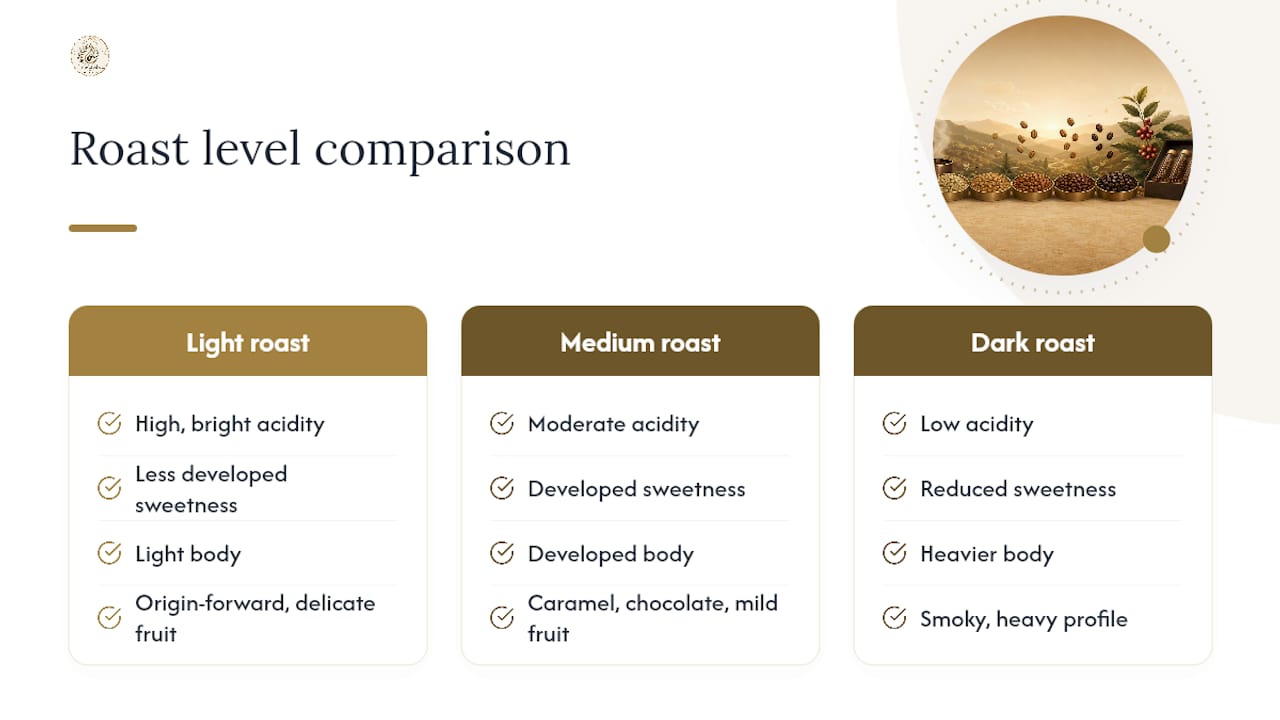
Medium roast is the Goldilocks zone of coffee roasting: dark enough to develop sweetness and body, light enough to keep the bean’s original character intact. It sits between the brighter, more acidic profile of a light roast and the heavier, smokier profile of a dark roast, which is exactly why it tends to work across more brewing methods than either extreme.
Where a bean is grown, combined with how long it’s roasted, produces the caramel, chocolate, and mild fruit notes people associate with a good medium roast. Drip and pour-over tend to highlight brighter, more delicate notes, while espresso concentrates sweetness and body, and cold brew mutes acidity while amplifying chocolate and nutty undertones. That’s part of why medium roast performs consistently well across brew methods: it’s the most forgiving roast level for the kind of inconsistent water temperature and timing that happens in a typical home kitchen.
Whole bean coffee holds its flavor noticeably longer than pre-ground, since grinding exposes far more surface area to oxygen. Pre-ground is a reasonable trade-off only if you’ll finish the bag within a couple of weeks. For freshness, look for coffee roasted within the past two to four weeks, store it in an airtight container away from light and heat, and avoid the fridge or freezer for daily-use bags, since condensation does more harm than good. The guide to roast date and freshness covers rest windows and storage in more depth if you want the specifics.
Why Trust These Medium Roast Picks?
Every recommendation here comes back to one thing: knowing where the coffee actually came from. Some roasters source beans with traceability from various growing regions and roast to order rather than sitting on pre-roasted inventory. This roast-to-order approach can help address common complaints about coffee shopping: staleness and inconsistency between bags.
Curated sample packs, like the Single Origin Favorites Sample Pack and Flavored Coffees Sample Pack, exist specifically to let you compare profiles before spending on a full bag you might not love. The breakdown of how roasters shape flavor explains why roast-to-order matters more than most buying guides let on. This article is written by Qahwat Al’ard’s editorial team, drawing on hands-on product knowledge and industry sourcing practices rather than lab testing.
When Does a Medium Roast Actually Earn Its Spot in the Rotation?
Medium roast earns its place on mornings when you want something dependable, not a science project. It’s approachable enough to take milk well but still has enough backbone to drink black, which is why it tends to be the roast that survives in a house full of different coffee preferences.
If you’re new to a brand, grab a sample pack before you commit to a bag. It’s a faster, cheaper way to find your favorite than guessing off a product description. For storage, keep whatever you’re not using that week in an opaque, airtight container, and only buy what you’ll actually finish in a month.
— Yasin Sofyian Ayesh
Ready to Try These Medium Roasts for Yourself?
Most coffee shopping means guessing at flavor from a bag description and hoping for the best. Qahwat Al’ard skips that guesswork by roasting every order fresh and printing full traceability back to the growing region, so you know exactly what farm and process shaped your cup before you ever brew it.
Browse the full coffee collection to see every medium roast mentioned here, or start smaller with the Flavored Coffees Sample Pack if you want to taste Mocha, Caramel, and a few others side by side before choosing a favorite. If you already know you want an everyday bag, the Cowboy Blend is the simplest place to start.
Where Did These Tasting and Buying Claims Come From?
- The Kitchn’s medium-roast tasting: comparative results across 10 bags.
- Consumer Reports’ coffee buying guide: roast date and packaging criteria.
- Statista’s roast preference data: U.S. consumer roast trends.
- DoorDash’s store-bought coffee tasting: grocery-format results.
Sources
- 5 Best Medium-Roast Coffee Beans of 2025 (We Tried 10!) | The Kitchn
- Favorite coffee roasts of U.S. consumers | Statista
- Best Coffee Buying Guide | Consumer Reports
- The 5 Best Tasting Store-Bought Ground Coffees | DoorDash Blog
FAQ
What Brand of Coffee Is the Best Tasting?
“Best tasting” depends heavily on your brew method and flavor preference, but balance tends to win in blind tastings. The Kitchn’s tasting of 10 medium-roast coffees named a balanced, citrus-and-chocolate profile the top performer, which lines up with why medium roasts like Cowboy Blend and English Breakfast test well across brew methods.
What Is the Best Coffee to Buy at the Grocery Store?
Grocery store shopping means checking the roast date and packaging quality more closely, since shelf turnover varies widely by store. DoorDash’s blind tasting of supermarket ground coffees found several medium roasts performed reliably well in that format, though a roaster with full traceability and roast-to-order practices, such as Qahwat Al’ard, gives you more certainty about freshness than a bag that’s been sitting on a shelf.
Which Roast of Coffee Is the Smoothest?
Medium roast is generally considered the smoothest option because it balances acidity and body without the bitterness that can come with dark roasting or the sharper acidity typical of light roast. That balance is also why medium roast performs consistently across drip, espresso, and cold brew.
What Is the #1 Selling Coffee in America?
Medium roast is the most popular roast category among U.S. coffee drinkers, according to Statista’s survey data on consumer roast preferences. That popularity reflects medium roast’s versatility rather than any single brand dominating every household.
How Much Does Qahwat Al’ard’s Coffee Cost?
Pricing varies by product and format, so current prices for sample packs, single-origin bags, and blends like Cowboy Blend are listed directly on the coffee collection page.


