


Single-estate coffee means every bean in the bag came from one named farm or estate, not a blend of regions or a country-wide mix. That single-source origin gives you a traceable, often season-limited flavor profile you cannot get from blends or generic single-origin bags. Buy it when you want to taste a specific place; expect the trade-off of higher prices and limited availability.
TL;DR:
- Single-estate coffee comes from one specific farm or plantation, offering clearer traceability and unique flavor profiles compared to broader single-origin labels.
- Its higher cost reflects limited supply, estate control over processing, and the unique microclimate features that influence taste.
- Buyers should verify estate name, lot number, harvest date, and processing details on product pages to ensure authenticity and freshness.
- Processing methods, altitude, and varietal significantly shape the flavor, with washed, natural, and honey processed beans delivering distinct taste characteristics.
- Sampling estate coffees through curated packs helps identify personal preferences before investing in full bags.
Table of Contents
- What Does Single-Estate Coffee Mean, Really?
- Why Single-Estate Coffee Costs More and Tastes Different
- How to Evaluate Single-Estate Coffee Before You Buy
- How Processing, Altitude, and Varietal Shape the Cup
- How Qahwat Al’ard Shows Its Sourcing Work
- When to Buy Single-Estate and When to Stick With a Blend
- Try Estate Coffee Without Committing to a Full Bag
- Sources
- FAQ
What Does Single-Estate Coffee Mean, Really?
Single-estate coffee comes from one farm or plantation, full stop. No mixing lots from neighboring farms, no blending harvests from different regions of a country. Every bag traces back to a specific address, often a specific block within that address.
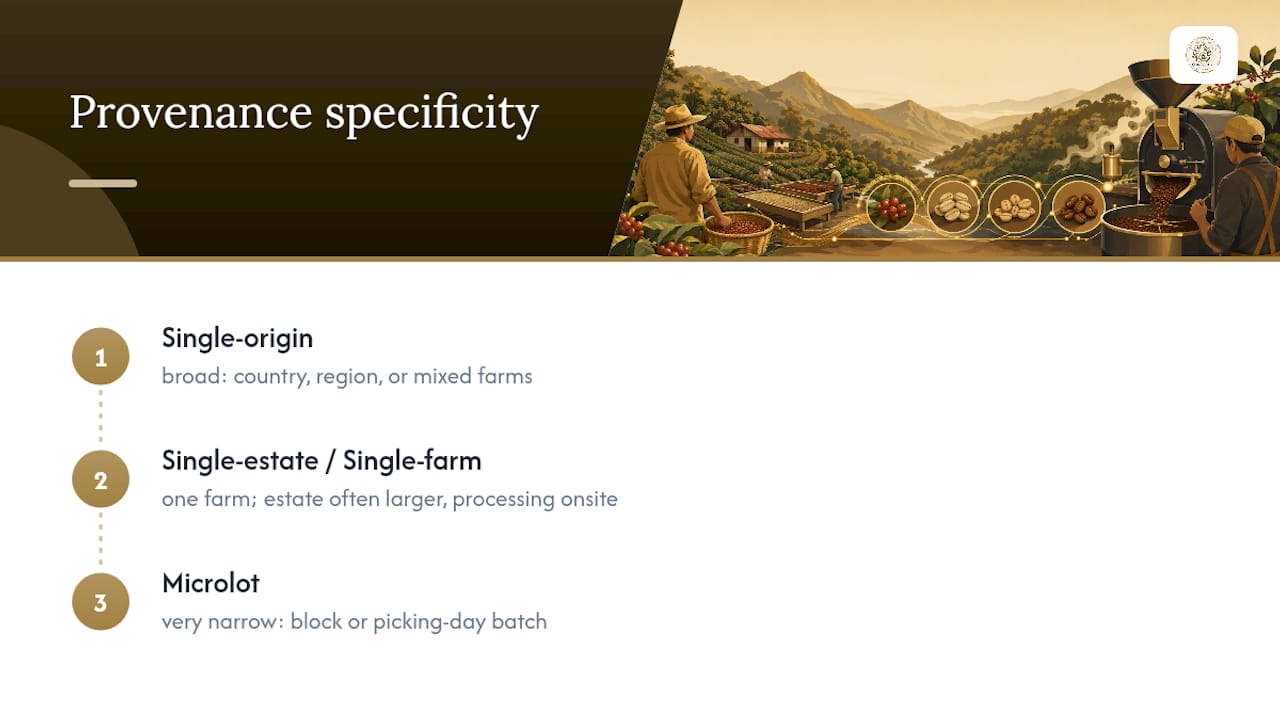
That precision separates it from three terms shoppers often confuse. Single-origin is the loosest of the bunch. It can mean one country, one region, or a mix of small farms within that region. Wikipedia’s rundown on single-origin coffee notes that estate coffees sit at the tighter end of that spectrum, since they typically come from one farm and offer stronger traceability than a country-level label ever could. Single-farm and single-estate are close cousins and often used interchangeably, though “estate” tends to signal a larger, more established operation with its own processing infrastructure. A microlot goes narrower still: a small, separated batch from one specific block or picking day on that same estate, chosen because it cupped differently from the rest of the harvest.
Why does the distinction matter? Because “single-origin” on a bag tells you almost nothing about flavor. “Estate” tells you a lot more. “Microlot” tells you the roaster thinks this particular batch was worth setting apart from everything else the farm produced that season.
Why Single-Estate Coffee Costs More and Tastes Different
A farm’s soil, elevation, and microclimate shape a cup in ways a regional blend simply averages out. Estate producers also control their own processing, drying, and milling, which means the flavor you taste reflects one set of decisions instead of a dozen farms’ worth of compromises. Look at an operation like Tanzania’s Edelweiss Estate, profiled by Royal Coffee: its mill divides the farm into distinct microclimate blocks and runs multiple processing styles side by side, which is exactly how a single estate produces both everyday lots and prized peaberry microlots from the same acreage.
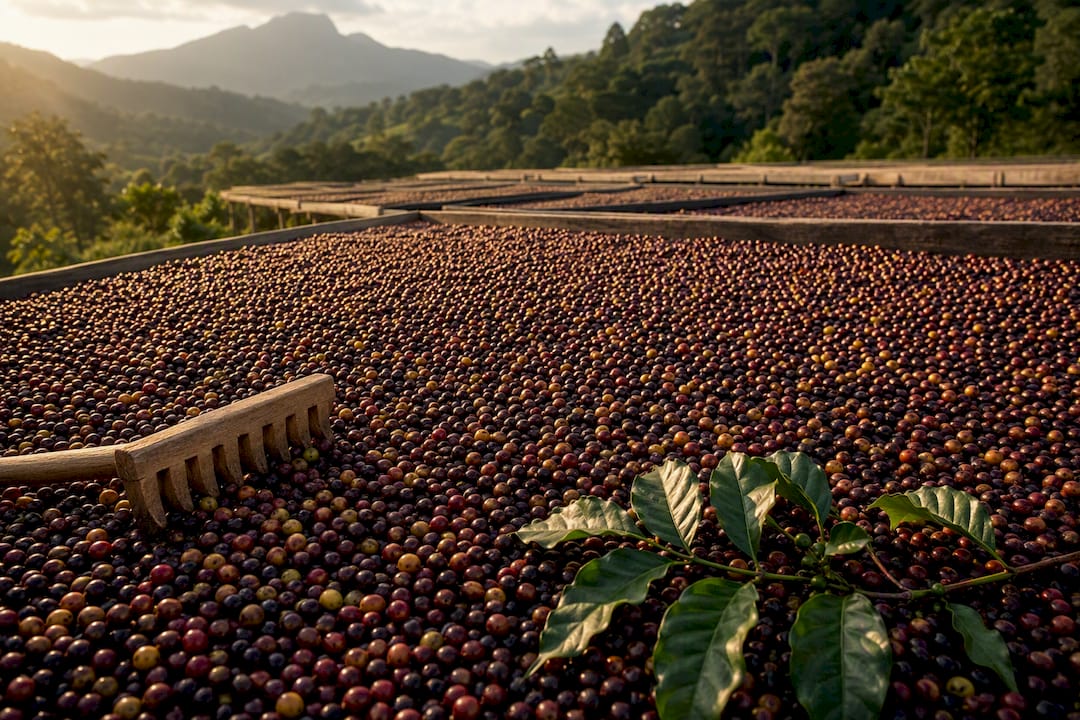
That level of control has a cost. Single-origin and estate coffees are seasonal by nature, tied to one harvest window, and limited supply combined with small-lot logistics pushes prices higher than blends. You are paying for scarcity as much as quality.
Here’s what a premium estate lot typically signals:
- A named farm or estate you can look up, not a country-wide sourcing pool
- A specific harvest window, meaning the coffee will eventually sell out
- A documented processing method tied to that lot, not a generic “washed” label
- Often a cupping score or tasting note sheet specific to that harvest
Pro Tip: If a bag says “single-origin” but lists no farm, lot number, or processing method, treat it as a country-level blend dressed up in specialty language. True estate coffee always names its source.
Is the premium worth it? When you want a cup that tastes like one place at one moment in time, yes. When you just want reliable, consistent coffee every morning, a blend usually serves you better and costs less.
How to Evaluate Single-Estate Coffee Before You Buy
Reading a product page takes thirty seconds once you know what to look for. Here’s the order to check things in:
- Estate or farm name. If the page only says a country or broad region, it’s not a true estate coffee.
- Lot or microlot number. This tells you the batch is separated and tracked, not pooled with other harvests.
- Harvest date. Coffee is a seasonal crop; a harvest date more than a year old is a red flag for staleness at the source.
- Roast date. This matters more than harvest date for flavor at the moment you brew it. Fresh roast dates within two to four weeks of purchase preserve aromatics best.
- Processing method. Washed, natural, or honey processed each produce distinct flavor fingerprints, and industry guidance from Perfect Daily Grind points to processing and estate detail as more reliable flavor predictors than country of origin alone.
- Altitude and varietal. Higher elevation generally means slower cherry development and more complex acidity; the varietal (Bourbon, Typica, Geisha, and so on) shapes body and sweetness.
- Cupping notes or score. A specific tasting description (“stone fruit, honey, bergamot”) beats a vague “smooth and balanced” every time.
If a product page skips most of these fields, that’s your red flag. A roaster with nothing to hide about sourcing usually says so in detail. Once the beans arrive, store them in an airtight container away from light and heat, and grind just before brewing. Even the best estate lot tastes flat if it sat ground and exposed for a week.
How Processing, Altitude, and Varietal Shape the Cup
Three variables do most of the work in determining what ends up in your mug: how the cherry was processed, how high it grew, and what varietal it is.
Processing method is the biggest lever. Washed coffees ferment the mucilage off before drying, producing cleaner, brighter, more acidic cups that show off the bean’s inherent character. Natural processing dries the whole cherry intact, which imparts heavier body and fruit-forward, sometimes wine-like sweetness. Honey processing sits between the two, leaving some mucilage on during drying for a syrupy body with moderate brightness. You can dig deeper into how washed processing and natural processing each shape flavor before you commit to a bag.
Altitude and varietal work together with processing rather than against it:
- Higher-altitude lots (typically above 1,400 meters) tend toward brighter acidity and more complex flavor layering
- Lower-altitude lots often deliver heavier body and simpler, more straightforward sweetness
- Varietal genetics (Geisha versus Bourbon versus Caturra, for example) determine the ceiling on floral or fruit complexity a farm can hit
Microlots and experimental processing are where things get unpredictable, in a good way. A specialist practitioner comparing single-origin lots will tell you these small, separated batches are often the ones showing flavors nothing else on the shelf does, precisely because the producer isolated them to try something different. Comparing tasting notes across estates works best when you cup them side by side using identical brew parameters, so any flavor gap comes from the bean, not your technique.
How Qahwat Al’ard Shows Its Sourcing Work
Every estate coffee is only as trustworthy as the paper trail behind it. Product pages should show the estate name, processing method, and roast date without you having to dig for them. That’s the standard we hold ourselves to at Qahwat Al’ard, where sourcing runs through named growing regions including Colombia, Peru, Bali, and Uganda, and beans get traced from farm to cup before they ever reach roasting.
Freshness matters just as much as origin. Coffee roasted to order rather than sitting in a warehouse for months preserves the volatile aromatics that make an estate’s character actually taste like something. If you want the full breakdown of how single-origin sourcing differs from blended sourcing, our flavor guide to single-origin coffee walks through it in more detail.
When to Buy Single-Estate and When to Stick With a Blend
Single-estate coffee earns its price when you want tasting clarity: a pour-over you’re savoring alone, a gift for someone who cares where their coffee comes from, a specific flavor experience you can’t get elsewhere. Blends earn their keep on ordinary mornings, especially in milk-based drinks where subtle estate character gets lost anyway. If you’re not sure which estate suits your palate, a sample pack solves that cheaper than committing to a full bag of any single lot.
— Yasin Sofyian Ayesh
Try Estate Coffee Without Committing to a Full Bag
Sampling several estates side by side beats guessing from a single bag, and that’s exactly what our Single Origin Favorites Sample Pack is built for. It gives you distinct estate lots in smaller portions so you can cup them back to back using the same brew method and actually compare acidity, body, and sweetness instead of relying on a roaster’s tasting notes alone.
If you want a broader spread that includes crowd favorites, the Best Sellers Sample Pack covers 6Bean, Cowboy, Breakfast, Peru, Mexico, and Bali in one order, which is the fastest way to find which flavor family you gravitate toward. And once you know what you like but want something dependable for daily brewing, the 6 Bean Blend delivers consistency without the seasonal gaps single estates carry. Start with a sample pack, brew each one the same way, and let your own cup comparisons tell you where to spend more.
Sources
For label definitions and the single-origin spectrum, see the Wikipedia entry on single-origin coffee. For processing deep dives and buyer guidance, Perfect Daily Grind’s single-origin explainer is worth bookmarking. For an estate case study showing block division and microlot production, look at Royal Coffee’s Edelweiss Estate profile.
- Single-origin coffee
- Everything You Need to Know About Single Origin Coffees - Perfect Daily Grind
- What’s the Difference Between Single Origin and Coffee Blends? | Mr. Coffee
FAQ
What Does “Estate Coffee” Mean?
Estate coffee comes from one named farm or plantation rather than a blend of multiple farms or a country-wide sourcing pool, which gives it stronger traceability and a more specific flavor identity than generic single-origin labeling.
What Is the Most Popular Single-Origin Coffee?
Popularity varies by region and season, but coffees from well-known growing areas like Colombia, Ethiopia, and Peru consistently show up as consumer favorites due to their balanced, approachable flavor profiles.
Why Is Single-Origin Coffee More Expensive?
Single-origin and estate coffees are seasonal and produced in smaller lots, and that limited supply combined with the extra logistics of small-batch handling drives prices above what standard blends cost.
What Is the Number One Coffee in the World?
There’s no single universally agreed “best” coffee since taste and cupping scores vary by harvest and palate, but rare, high-scoring microlots from estates with meticulous processing, like those separating peaberry beans into their own lots, consistently rank among the most sought-after in the specialty market.


