


Why freshness is the most important factor in coffee gifting
Fresh coffee is not a luxury detail. It is the difference between a gift that genuinely impresses and one that sits forgotten in a cabinet. The role of freshness in coffee gifting comes down to one simple truth: coffee is a perishable product, and its most prized qualities, aroma, flavor clarity, and sweetness, begin fading the moment roasting ends.
When you hand someone a bag of coffee, you are handing them a snapshot of a roast. If that snapshot is recent, they get the full picture: bright aromatics, layered flavor, and the kind of cup that makes them pause. If the coffee is weeks or months past its prime, those qualities have already dissolved into a flat, muted brew that tells them nothing about origin or craft.
Key reasons freshness defines a coffee gift:
- Aroma strength drops sharply as volatile oils dissipate after roasting
- Flavor clarity depends on aromatic compounds that degrade with oxygen and heat exposure
- Roast date visibility signals quality and transparency to any recipient who knows coffee
- Packaging integrity (one-way valve bags, airtight seals) determines how long freshness holds
- Gift timing relative to the roast date controls whether the recipient hits the flavor sweet spot
Table of Contents
- What happens to coffee after roasting, and why it matters for your gift
- The four enemies of coffee freshness you need to know
- How to keep gift coffee fresh from purchase to first brew
- How freshness shapes the coffee gift buying decision
- Why freshness transforms a coffee gift into a real experience
- How to verify a coffee’s roast date before you buy it as a gift
- Common misconceptions about coffee freshness in gifting
- Fresh-roasted coffee gifts, sourced and timed right
- Key Takeaways
- FAQ
What happens to coffee after roasting, and why it matters for your gift
Roasting transforms green beans through intense heat, producing hundreds of volatile aromatic compounds alongside a significant volume of CO₂. That gas does not disappear instantly. For several days after roasting, beans release CO₂ in a process called degassing, and this phase has a direct effect on how the coffee tastes.
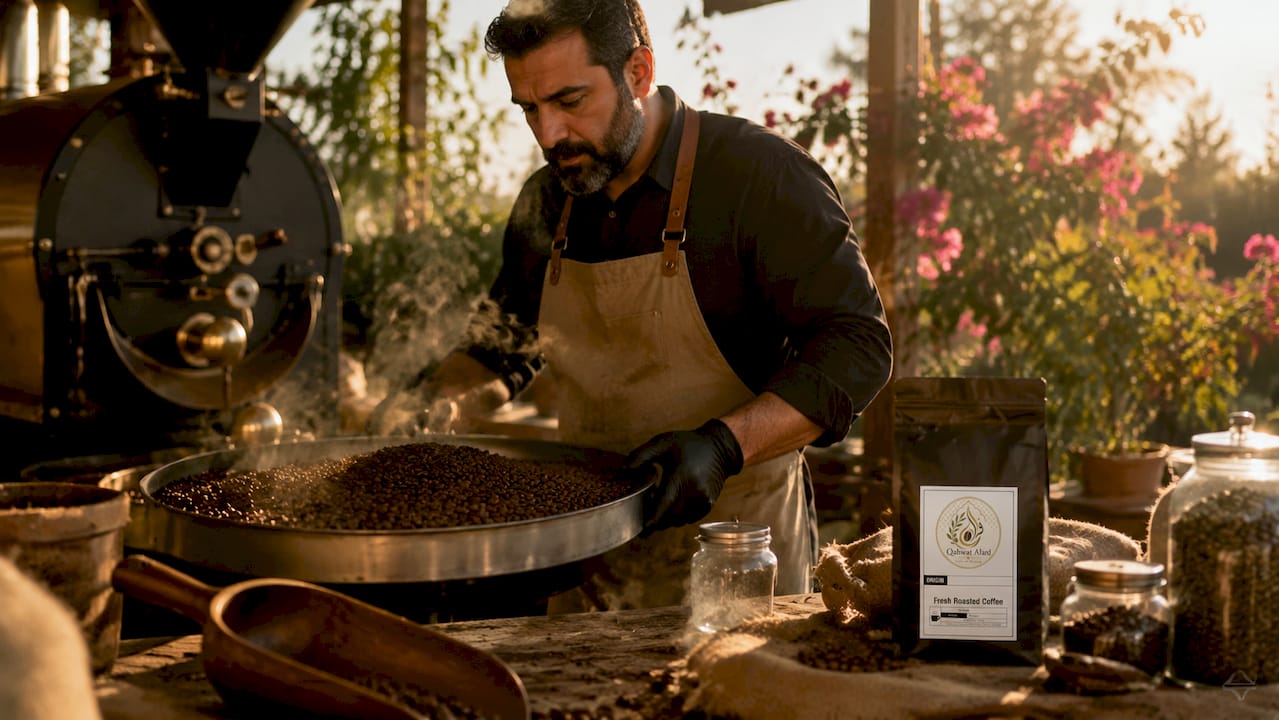
Here is the counterintuitive part: the freshest coffee can actually taste hollow or sharp right off the roast. Brewing too soon means CO₂ interferes with water absorption during extraction, producing an uneven, underdeveloped cup. The flavor sweet spot typically arrives a few days after roasting, once degassing has settled but before oxidation takes hold.
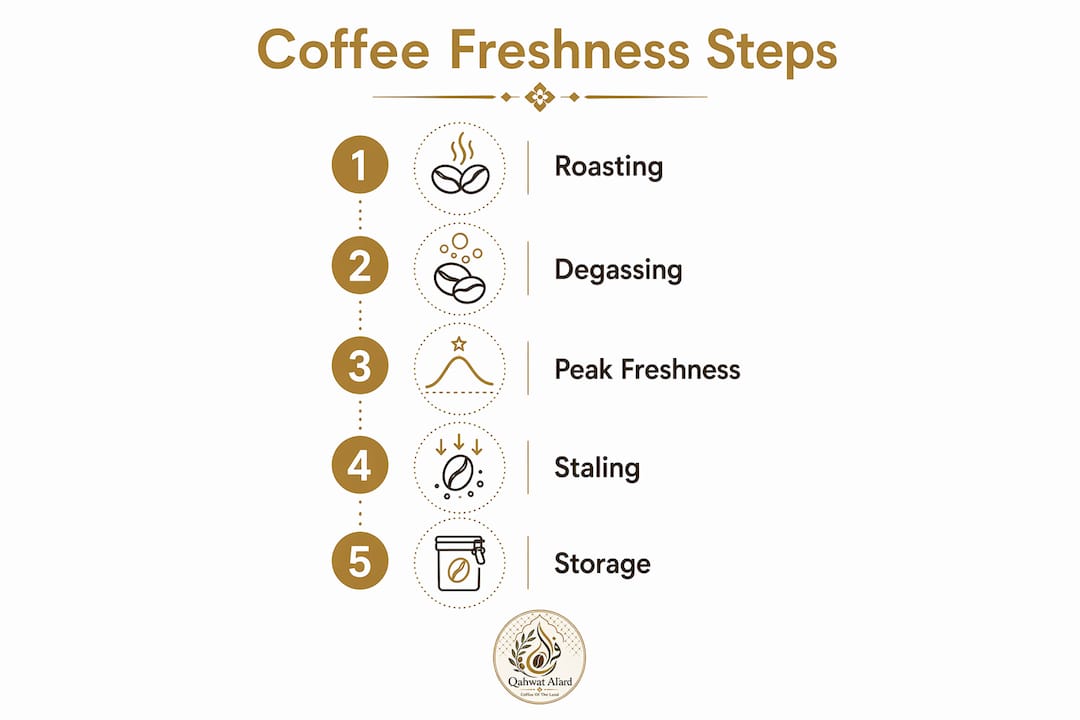
For gift buyers, this creates a practical window. Coffee roasted and shipped immediately is not necessarily best brewed on arrival day. A few days of rest after delivery often yields a noticeably better cup. Understanding coffee degassing helps you time a gift so the recipient hits that window naturally.
Pro Tip: If you are ordering coffee as a gift for a specific occasion, aim for delivery 3–5 days before the event. The beans will have rested enough to brew beautifully right when the recipient opens them.
- Roasting creates CO₂ and volatile aromatics that define the coffee’s character
- Degassing peaks in the first 24–72 hours and continues for several days
- Flavor evolves from sharp and underdeveloped to balanced and sweet as degassing settles
- Oxidation then begins eroding those same compounds, starting the decline phase
- Gift timing should target the window between degassing and significant oxidation
The four enemies of coffee freshness you need to know
Oxygen, moisture, light, and heat are the four primary forces that degrade coffee freshness, and each works differently. Oxygen is the main driver of oxidation, breaking down the aromatic oils that give fresh coffee its character. Moisture accelerates this degradation and can introduce off-flavors. Heat speeds up every staling reaction. Light, particularly UV, breaks down sensitive flavor compounds over time.
The practical consequence: once you open a bag of specialty coffee, the clock accelerates sharply. Exposure to air alone can noticeably flatten the aroma within days. This is why packaging matters so much when you are selecting a coffee gift.
- Oxygen causes “fade,” stripping aromatic oils and dulling flavor complexity
- Moisture accelerates degradation and can introduce musty or sour notes
- Heat speeds staling reactions, particularly damaging in warm kitchens or cars
- Light (UV) breaks down flavor compounds even through some bag materials
- One-way valve bags protect against oxygen ingress while allowing CO₂ to escape
- Airtight seals on unopened bags can preserve freshness for several weeks post-roast
- After opening, freshness declines noticeably within 7–10 days without proper storage
How to keep gift coffee fresh from purchase to first brew
Storage is where many well-intentioned coffee gifts fall apart. A beautifully sourced bag of single-origin beans loses its appeal fast if it sits in a warm pantry next to the stove or in a clear canister on a sunny counter.
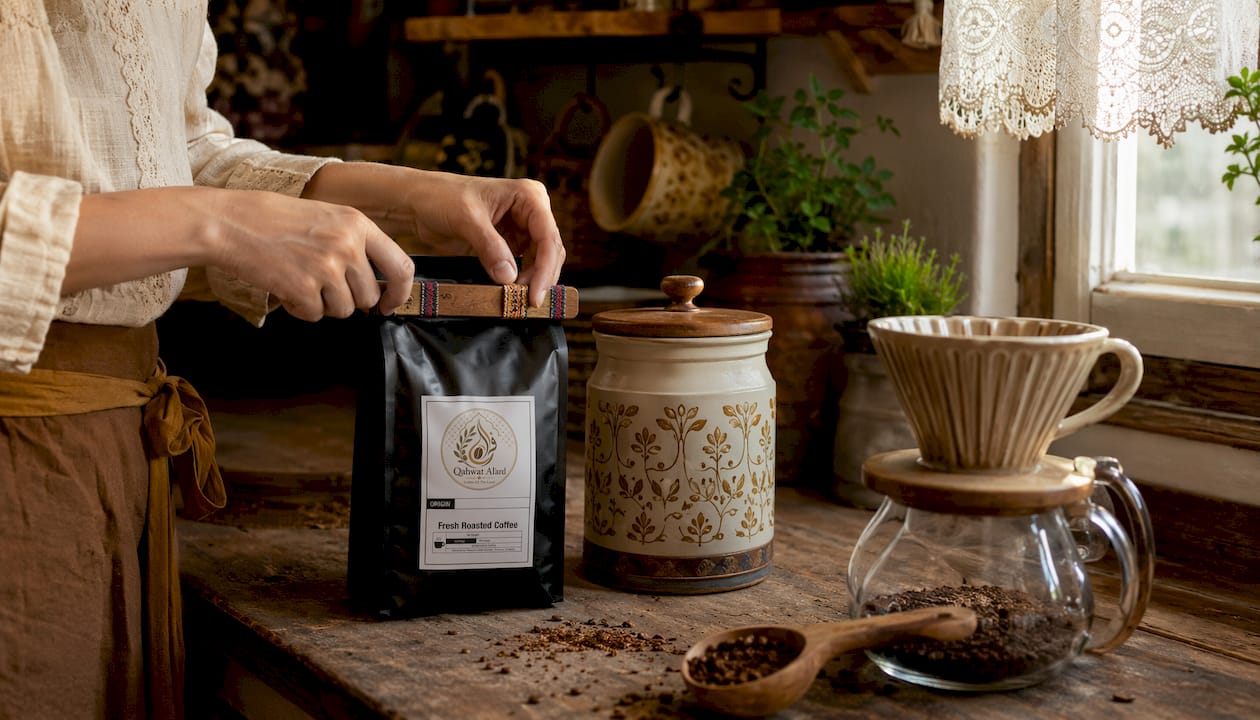
Proper storage means keeping beans in an airtight container, away from heat, moisture, and light. The original one-way valve bag is often the best container until the recipient is ready to brew. Transferring to a ceramic or opaque airtight canister works well once the bag is opened.
Pro Tip: Include a short note with the gift explaining the roast date and suggesting the recipient store the beans in the original bag until ready to brew. Most people appreciate the guidance, and it signals that you chose the coffee thoughtfully.
- Keep beans in the original sealed, one-way valve bag until ready to use
- Store in a cool, dry, dark location, not in the freezer unless the bag is fully sealed and unopened
- Avoid clear glass containers on countertops exposed to light
- Whole beans stay fresh significantly longer than pre-ground; grind only before brewing
- Order and ship close to the roast date to maximize the freshness window on arrival
- Include the roast date and origin information visibly so the recipient understands what they have
- Match bag size to the recipient’s consumption pace; a 12 oz bag suits a daily drinker, a 250g sampler suits a casual one
How freshness shapes the coffee gift buying decision
Choosing a coffee gift without checking the roast date is like buying wine without looking at the vintage. Freshness signals like visible roast dates, one-way valve packaging, and sealed bags are the clearest indicators that a roaster takes quality seriously, and they communicate that quality to the recipient the moment the package arrives.
Fresh roasted coffee delivers stronger aroma, clearer flavors, and more consistent extraction than coffee that has been sitting on a shelf. For gifts, this translates directly into the impression the recipient forms. The aroma burst when they open the bag is often the first signal of quality, and it only happens with genuinely fresh coffee.
| Coffee Type | Freshness Window (Post-Roast) | Best Gift Timing |
|---|---|---|
| Whole bean, specialty | 2–4 weeks peak | Ship close to the roast date |
| Pre-ground | — | Ship within days of roast; use immediately |
| Flavored whole bean | 2–3 weeks peak | Ship within 1 week; note added ingredients |
| Instant (specialty grade) | Months to years | Flexible; ideal for convenience gifting |
- Whole bean options like Qahwatalard’s Mint coffee preserve freshness until the recipient grinds them
- A flavored coffees sample pack suits recipients who enjoy variety without committing to a single origin
- Instant coffee from a specialty roaster is a practical choice when shipping timelines are uncertain or the recipient travels frequently
- Avoid pre-ground options unless the recipient has no grinder and will brew within days of receiving
- Align roast profile (light, medium, dark) with the recipient’s brewing method for maximum enjoyment
Why freshness transforms a coffee gift into a real experience
A fresh specialty coffee gift delivers something a generic grocery-store bag simply cannot: a sensory moment. Opening a bag of fresh specialty coffee creates an immediate aroma burst that signals quality before a single cup is brewed. The roast date, origin label, and packaging together tell a story that elevates the gift from commodity to craft.
Fresh coffee also delivers repeated value. A well-chosen bag of specialty coffee can yield 14–20 cups over two to three weeks, each one a reminder of the person who gave it. That kind of sustained enjoyment is rare in gift-giving.
Freshness also affects brewing outcomes across every method. Whether the recipient brews drip, French press, or espresso, fresh coffee produces better extraction, clearer flavor, and more consistent results. Stale coffee underperforms in every format, regardless of how good the beans were at origin.
How to verify a coffee’s roast date before you buy it as a gift
The roast date is the only reliable freshness indicator on a coffee bag. “Best by” dates are calculated backward from an assumed shelf life and tell you nothing about when the coffee was actually roasted or where it sits on the freshness curve. A bag labeled “best by December 2026” could have been roasted six months ago.
Look for the roast date printed directly on the bag, usually on the back or bottom. Reputable roasters always include it. If a bag shows only a “best by” date with no roast date, that is a signal the roaster is not prioritizing freshness transparency. For online purchases, check the product description or contact the roaster directly. Qahwatalard lists roast date details as part of its product transparency, which makes verifying freshness straightforward before you order.
Common misconceptions about coffee freshness in gifting
“Vacuum-sealed means it will stay fresh forever.” Vacuum sealing slows oxidation but does not stop it. Once a bag is opened, the clock restarts regardless of how it was sealed before.
“Darker roasts stay fresh longer.” The opposite is closer to the truth. Dark roasts have more surface oils exposed, which oxidize faster than the oils in lighter roasts.
“Freezing coffee preserves it perfectly.” Freezing an already-opened bag introduces moisture through condensation each time it thaws. Freezing works only for an unopened, fully sealed bag you plan to use in one session after thawing.
“Pre-ground coffee is fine if it’s a fresh roast.” Pre-ground coffee loses volatile aromatic compounds within hours of grinding. Even a freshly roasted pre-ground bag is noticeably less vibrant than whole beans ground at brew time.
“Expensive coffee stays fresh longer.” Price reflects origin, processing, and roast quality, not shelf stability. A $40 bag of single-origin goes stale just as fast as a $12 bag if stored poorly.
Fresh-roasted coffee gifts, sourced and timed right
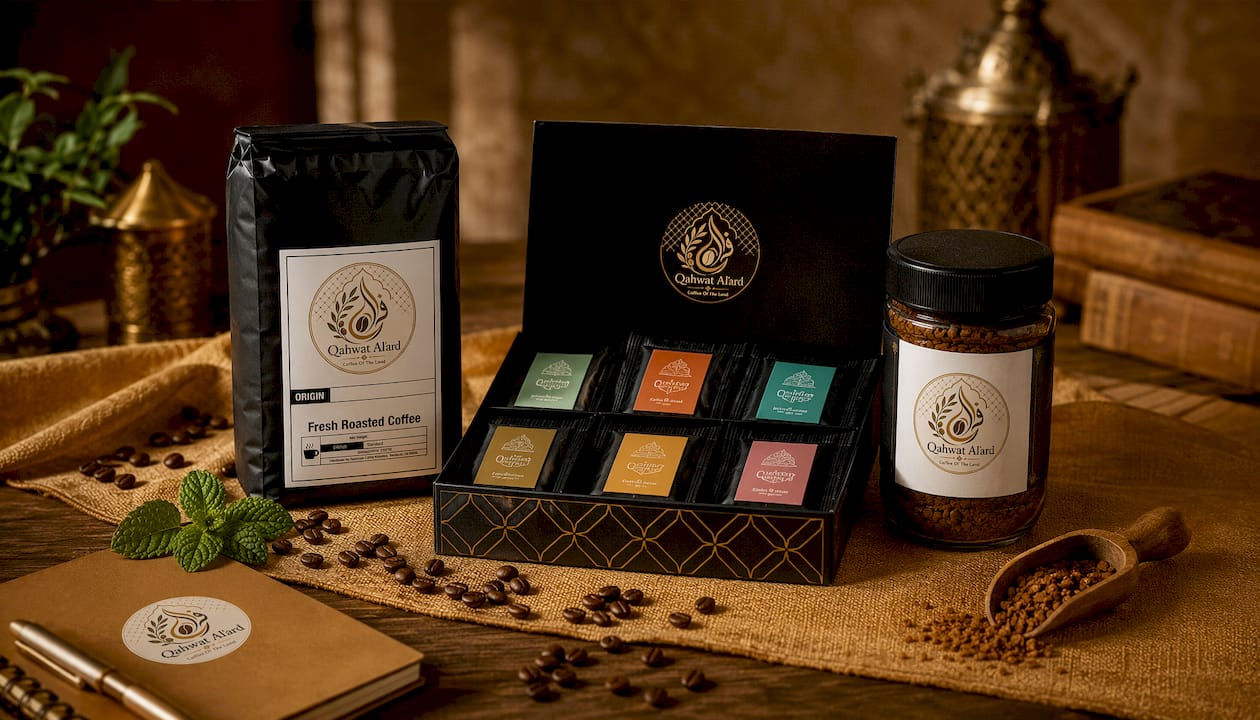
Qahwatalard sources single-origin beans from renowned growing regions and roasts them to order, so the coffee arriving at your recipient’s door is as close to peak freshness as shipping allows. Every product, from the Mint single-origin to the Flavored Coffees Sample Pack, ships with full origin and roast transparency built in. For gift buyers who want convenience without sacrificing quality, the instant coffee option delivers specialty-grade flavor with no timing pressure. Browse Qahwatalard’s gift-ready selections and find a fresh-roasted option that fits your recipient’s taste and your timeline.
Key Takeaways
Fresh coffee gifts succeed or fail on roast date, packaging, and timing, not price or brand recognition alone.
| Point | Details |
|---|---|
| Roast date is the only reliable freshness signal | “Best by” dates are unreliable; always look for the actual roast date on the bag. |
| Degassing creates a flavor sweet spot | Brewing 3–5 days after roasting typically yields the most balanced, expressive cup. |
| Whole beans outlast pre-ground | Pre-ground coffee loses key aromatics within hours; whole beans protect oils until grinding. |
| Four enemies accelerate staling | Oxygen, moisture, heat, and light all degrade freshness; one-way valve bags slow the damage. |
| Qahwatalard ships fresh with full transparency | Single-origin and sample pack options arrive roast-dated and ready to impress. |
FAQ
Why does coffee freshness matter so much as a gift?
Fresh coffee delivers the full aroma, flavor clarity, and extraction quality the roaster intended. Stale coffee flattens all of those qualities, making even an expensive bean taste generic.
What are the four enemies of coffee freshness?
Oxygen, moisture, heat, and light are the four primary causes of freshness loss. Oxygen drives oxidation fastest, which is why airtight, one-way valve packaging matters so much.
How long does fresh coffee stay at its best after roasting?
Whole bean specialty coffee typically peaks within 2–4 weeks of the roast date when stored properly. Pre-ground coffee degrades much faster, often within days of grinding.
Should I gift whole beans or pre-ground coffee?
Whole beans are the better choice for freshness. Pre-ground coffee loses its volatile aromatics within hours of grinding, while whole beans protect those oils until the recipient brews.
How do I find the roast date when buying coffee as a gift?
Check the bag directly, usually on the back or bottom panel. If only a “best by” date appears with no roast date, ask the roaster or choose a different brand. Qahwatalard includes roast transparency on its products, making it easy to confirm freshness before ordering.


