
TL;DR:
- Artisan roasted beans are produced in small batches with careful sourcing to preserve unique flavor profiles. They mainly include Arabica, which offers complex acidity, and rare species like Liberica and Excelsa, which provide distinctive tastes. Roast levels from light to dark significantly influence flavor, acidity, and body, with small-batch methods and processing methods shaping the final cup.
Artisan roasted beans are defined by small-batch roasting, careful sourcing, and a deliberate focus on preserving each bean’s natural flavor character. The types of artisan roasted beans span four main coffee species, five recognized roast levels, and three distinct processing methods, each combination producing a different sensory result. Specialty roasters like those behind Qahwatalard treat roasting as a craft, not a commodity process. Understanding how bean species, roast level, and processing interact gives you a real framework for choosing coffee with confidence.
What are the primary coffee bean species used in artisan roasting?
Arabica dominates the specialty market for its complex acidity and nuanced flavor range. A well-sourced Arabica from Ethiopia can deliver jasmine, bergamot, and stone fruit in a single cup. That depth is why artisan roasters build most of their single-origin offerings around it.
Robusta carries a stronger, more bitter profile with higher caffeine and a pronounced crema. Most artisan roasters avoid it as a standalone bean, but some include it in espresso blends to add body and intensity. When used deliberately, it serves a purpose. When used as filler, you taste the difference.
Liberica and Excelsa are the rare species worth seeking out. Liberica grows primarily in the Philippines and parts of West Africa, producing large, asymmetrical beans with a woody, smoky, and sometimes floral character. Excelsa, often classified as a Liberica variant, leans fruity and tart with a distinctive back-palate complexity. Rare species like Liberica and Excelsa hold low global trade volumes, which makes finding them through specialty sources like Qahwatalard genuinely worthwhile.
Pro Tip: If you have only ever drunk Arabica, trying a Liberica or Excelsa brew is one of the fastest ways to understand how much species alone shapes your cup.
What are the five artisan roast levels and their flavor impacts?
Artisan roasts fall into five recognized levels: light, medium-light, medium, medium-dark, and dark. Each level changes acidity, body, and how much of the bean’s origin character survives the heat. Knowing these levels is the single most useful tool for predicting what a coffee will taste like before you brew it.
| Roast Level | Traditional Name | Acidity | Body | Flavor Character |
|---|---|---|---|---|
| Light | Cinnamon / New England | High | Light | Floral, fruity, tea-like |
| Medium-Light | City | Medium-High | Light-Medium | Bright fruit, mild sweetness |
| Medium | City+ / Full City | Balanced | Medium | Caramel, nuts, balanced origin |
| Medium-Dark | Full City+ / Vienna | Low-Medium | Full | Chocolate, toasted nuts, mild bitterness |
| Dark | French / Italian | Low | Heavy | Smoky, bitter, roast-forward |
Light roasts stop before the first crack fully completes. The bean retains most of its origin-driven compounds, which is why a light-roasted Ethiopian Yirgacheffe tastes like blueberry and lemon rather than coffee in the traditional sense. Artisan roasters favor light to medium roasts for single-origin beans specifically to preserve those terroir-driven notes.
Medium roast hits the sweet spot for most brewing methods. Medium roast delivers a balanced flavor profile that bridges origin character and roast influence, making it the most versatile option for pour-over, drip, and French press. Dark roast pushes past the second crack, where roast flavors dominate and origin character fades almost entirely.
One persistent myth is that darker roasts contain more caffeine. Caffeine content stays stable across roast levels. Perceived strength comes from bitterness, not actual caffeine. The confusion arises because measuring by volume versus weight produces slightly different numbers, but the difference is negligible in practice.
Traditional roast names like City, Full City, Vienna, and French map directly to these five levels. Knowing them helps you decode roaster labels quickly.
Pro Tip: Match your roast to your brew method. Light roasts shine in pour-over and Chemex. Dark roasts hold up in espresso and moka pot, where pressure and heat can overwhelm delicate origin notes anyway.
How do artisan roasting methods and bean processing shape flavor?
Artisan coffee is defined by careful sourcing, small-batch roasting, and a focus on preserving unique flavor notes. That definition has real technical meaning. A roaster working in small batches can monitor bean temperature, color, and aroma in real time. A large industrial operation cannot.
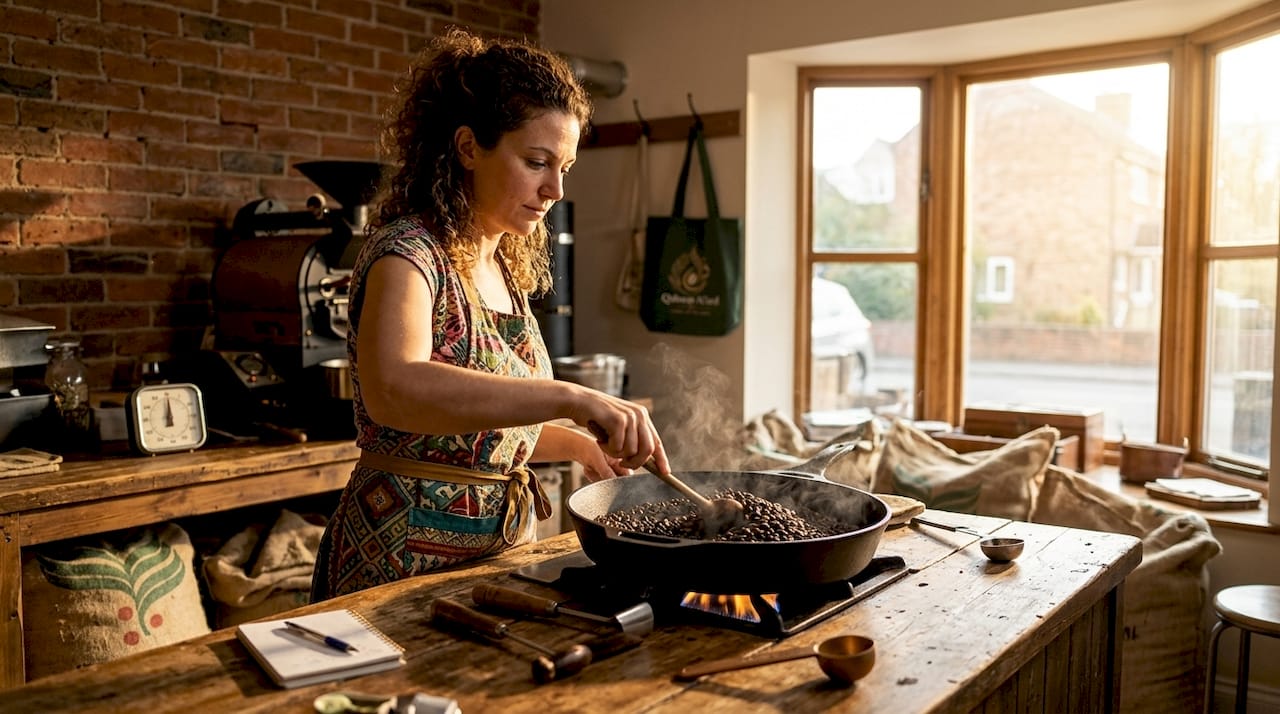
Small-batch roasting typically uses 10–15kg batches, which allows the roaster to adjust heat and airflow based on each batch’s specific moisture content and density. Two bags of the same bean from the same farm can behave differently depending on the harvest season. Small-batch roasting accounts for that variation. Industrial roasting does not.
Processing method is the other major variable. Processing methods including washed, natural, and honey strongly affect body, acidity, and sweetness, and artisan roasters adjust their roast profiles accordingly. Here is how each method changes the cup:
- Washed (wet-processed): The fruit is removed before drying. The result is a clean, bright cup with high acidity and clear floral or citrus notes. Roasters often use lighter profiles to let that clarity show.
- Natural (dry-processed): The whole cherry dries around the bean. The result is a heavier body, lower acidity, and pronounced fruity or fermented notes. Think blueberry, strawberry, or tropical fruit.
- Honey-processed: A middle path. Some fruit mucilage stays on the bean during drying. The result sits between washed and natural: moderate body, mild sweetness, and a rounded acidity.
Natural-processed beans tend toward heavier body and fruity notes, while washed beans highlight acidity and floral flavors. This directly influences how a roaster builds the roast curve. A natural-processed bean heading into a light roast needs careful heat management to avoid amplifying fermented notes into something unpleasant.
Pro Tip: When selecting beans, look at both the roast level and the processing method on the bag. A light-roasted, washed Kenyan and a light-roasted, natural Ethiopian are both light roasts, but they taste completely different. Understanding coffee processing methods helps you predict which one you will prefer.
How do artisan roasted bean types compare in flavor, body, and acidity?
Choosing between artisan coffee varieties gets easier when you map species and roast level together. The table below gives you a practical reference for what to expect in the cup.
| Bean Species + Roast | Body | Acidity | Typical Tasting Notes |
|---|---|---|---|
| Arabica, Light | Light | High | Floral, citrus, stone fruit |
| Arabica, Medium | Medium | Balanced | Caramel, red apple, almond |
| Arabica, Dark | Full | Low | Dark chocolate, smoky, walnut |
| Robusta, Medium-Dark | Heavy | Low | Earthy, rubber, strong crema |
| Liberica, Medium | Medium | Low-Medium | Woody, smoky, floral |
| Excelsa, Light-Medium | Light-Medium | Medium-High | Tart fruit, dark cherry, complex |
Roasting modulates origin flavors rather than replacing them entirely. A medium-roasted Colombian Arabica still carries its characteristic nuttiness and mild fruit, but the roast adds caramel sweetness that a light roast would not. That layering is what makes comparing coffee origins so rewarding for enthusiasts who want to build a real sensory vocabulary.
Brewing method matters too. Light-roasted Arabica performs best in methods that use lower temperatures and longer contact time, like pour-over or cold brew. Full-bodied dark roasts hold up in espresso and French press, where the extraction method complements the bean’s weight. Excelsa, with its tart complexity, is particularly interesting as a cold brew because the cold extraction softens its acidity while keeping its fruit character intact.
The practical takeaway is simple. If you want origin character, go light to medium with a washed Arabica. If you want comfort and body, go medium-dark to dark. If you want something genuinely different, try a natural-processed Excelsa or a Liberica from a specialty roaster.
Key Takeaways
Artisan roasted beans reward enthusiasts who understand both species and roast level, because those two variables together determine nearly everything about what ends up in your cup.
| Point | Details |
|---|---|
| Five roast levels define flavor | Light through dark each changes acidity, body, and origin character in predictable ways. |
| Arabica leads, rare species surprise | Arabica dominates specialty roasting, but Liberica and Excelsa offer genuinely distinct flavor experiences. |
| Processing shapes the cup | Washed beans taste clean and bright; natural-processed beans taste fruity and full-bodied. |
| Small-batch roasting matters | Batches of 10–15kg allow real-time adjustments that large-scale roasting cannot replicate. |
| Dark roast does not mean more caffeine | Perceived strength comes from bitterness; caffeine stays stable across all roast levels. |
Why I stopped defaulting to dark roast
I spent years ordering dark roast by habit. It felt like the serious choice, the one that meant you knew coffee. Then I tried a light-roasted, washed Ethiopian Arabica from a small roaster, and it tasted like blueberry tea with a floral finish. Nothing I expected. Everything I wanted.
The shift changed how I shop for beans entirely. I started reading roast dates instead of just roast levels. Freshness matters more than most people realize. A light roast that is six weeks old has already lost the delicate volatile compounds that made it worth buying. Roast date directly affects flavor and freshness, and most commercial bags do not even print one.
My honest advice: stop treating dark roast as the default and start treating it as one option among five. Try a medium-light roasted natural-processed bean from a single-origin source. Try a Liberica if you can find one. The specialty coffee world is far wider than what sits on a grocery store shelf, and the only way to appreciate that width is to taste it deliberately.
— Anthony-Yasin
Explore artisan roasted beans at Qahwatalard
Qahwatalard sources premium coffee beans from renowned growing regions with full traceability and a focus on freshness. Every roast is crafted in small batches to preserve the origin character you just read about.
If you want to put this knowledge to work, start with Qahwatalard’s single-origin collection, which spans multiple roast levels and processing styles. For something genuinely different, the African Espresso showcases what artisan roasting does with bold, distinct bean profiles. Both are roasted to order, so you get the freshness that makes the difference between a good cup and a great one.
FAQ
What makes a coffee bean “artisan roasted”?
Artisan roasted coffee is defined by small-batch production, careful sourcing, and a deliberate focus on preserving each bean’s natural flavor. Roasters typically work in batches of 10–15kg to maintain control over heat and timing.
Which roast level is best for single-origin beans?
Light to medium roasts best preserve the terroir-driven flavors of single-origin beans. Specialty roasters favor these levels specifically because they let origin character come through rather than being masked by roast flavor.
Does dark roast coffee have more caffeine?
No. Caffeine content remains stable across all roast levels. The perception of strength in dark roast comes from bitterness, not higher caffeine.
What is the difference between washed and natural-processed beans?
Washed beans are stripped of their fruit before drying, producing a clean, bright, high-acidity cup. Natural-processed beans dry inside the whole cherry, resulting in heavier body and pronounced fruity notes.
Are Liberica and Excelsa worth trying?
Yes, especially for enthusiasts who want to move beyond Arabica. Liberica offers woody and smoky notes with floral undertones, while Excelsa delivers tart, dark-fruit complexity that stands out in lighter roast profiles.


