


TL;DR:
- Coffee pairing relies on matching roast intensity and flavor profiles to complement or contrast dishes.
- Effective pairings align acidity, body, and flavor, transforming ordinary meals into memorable experiences.
Coffee and food pairing is the art of matching coffee’s roast intensity and flavor profile to foods that either complement or contrast those qualities, lifting both the drink and the dish. The Specialty Coffee Association (SCA) and World Coffee Research (WCR) developed a flavor wheel standard that maps nine major flavor categories, including fruity, floral, nutty, cocoa, and roasted, giving you a precise vocabulary for this practice. The best coffee and food pairing examples work because they balance acidity, body, and flavor intensity across the cup and the plate. Get that balance right, and an ordinary breakfast or dessert becomes a genuinely memorable meal.
1. Coffee and food pairing examples by roast level
The most reliable pairing framework matches roast level to food intensity: light roasts with delicate foods, dark roasts with bold ones. This principle works because roasting transforms a bean’s acidity, body, and flavor. Light roasts retain bright, fruity, and floral notes. Dark roasts develop smoky, bitter, and chocolatey depth. Medium roasts land in the middle with caramel and nutty warmth.
| Roast level | Flavor character | Best food pairings |
|---|---|---|
| Light | Fruity, floral, high acidity | Citrus desserts, berries, goat cheese, lemon tart |
| Medium | Caramel, nutty, cocoa | Croissants, granola, banana bread, eggs |
| Dark | Smoky, bold, bittersweet | Dark chocolate, BBQ, aged cheddar, tiramisu |
Understanding your roast levels before you pair is the single fastest way to stop guessing and start tasting intentional combinations.
Pro Tip: Brew a light roast and a dark roast side by side, then taste each with a piece of dark chocolate. The contrast in how each coffee responds to the same food is the fastest lesson in pairing logic you will ever get.
2. Light roast pairings: bright, fruity, and floral
Light roasts carry high acidity and vivid fruit or floral notes that pair best with fresh, delicate foods. Ethiopian Yirgacheffe with lemon tart and goat cheese is a classic example. The coffee’s citrus brightness mirrors the tart’s acidity, while the creamy cheese softens the cup’s sharpness. The result is a pairing where each element makes the other taste cleaner.
Berry desserts work equally well. A light roast with strawberry notes alongside a fresh raspberry tart creates a layered fruit experience without either flavor overwhelming the other. Soft cheeses like brie or chèvre share a mild, tangy quality that echoes a light roast’s acidity without competing with it. Avocado toast with lemon zest is a savory option that follows the same logic.
3. Medium roast pairings: caramel, nuts, and morning favorites
Medium roasts are the most food-friendly category because their caramel, nutty, and cocoa notes pair beautifully with pastries, eggs, and breakfast staples. Croissants, granola, banana bread, and cinnamon rolls all share a toasted sweetness that mirrors a medium roast’s natural flavor. The coffee amplifies those baked notes rather than fighting them.
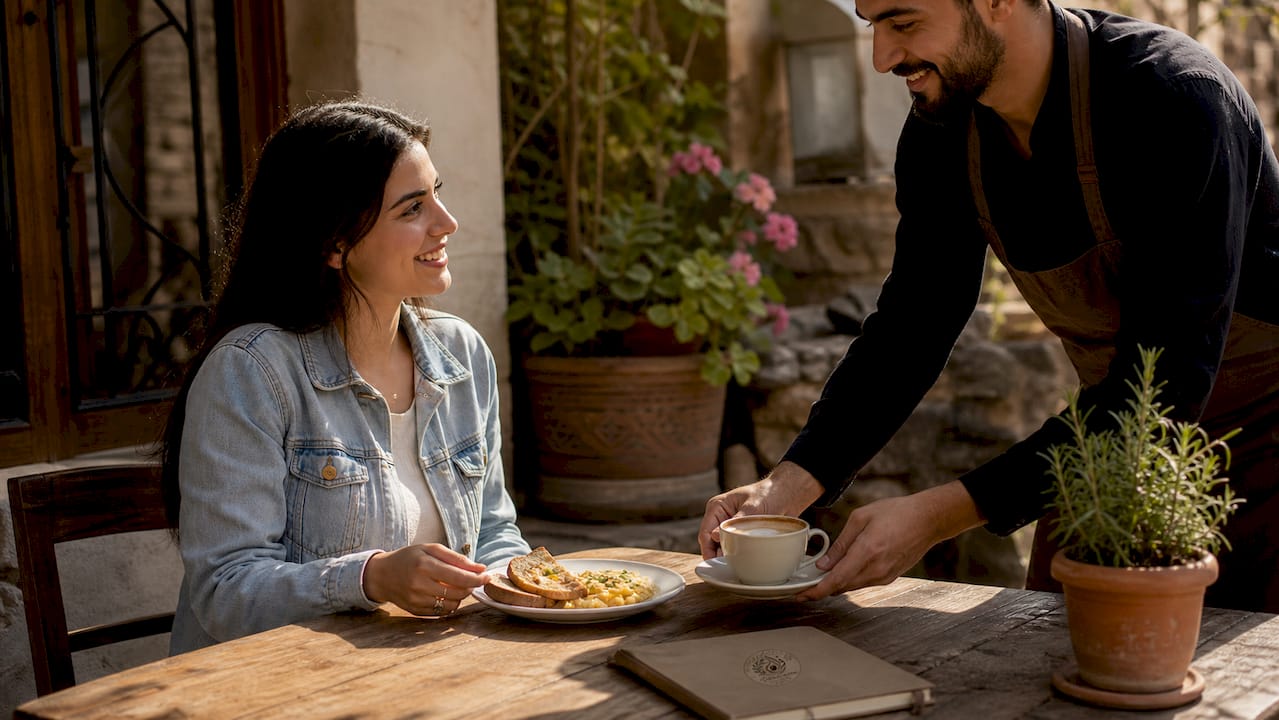
Egg dishes are an underrated match. The mild savoriness of scrambled eggs or a frittata does not compete with a medium roast’s sweetness. Instead, the coffee acts as a palate refresher between bites, keeping the meal from feeling heavy. Qahwatalard’s medium roast mushroom coffee adds an earthy depth that works especially well alongside savory breakfast plates.
Pro Tip: Add a small square of milk chocolate alongside your medium roast. The cocoa notes in the coffee and the chocolate reinforce each other, turning a simple snack into a tasting moment.
4. Pairing desserts with coffee: contrast and complement
The two strategies for pairing desserts with coffee are complement and contrast. Complementary pairing means matching similar flavors, like a nutty medium roast with pecan pie. Contrast pairing means using opposing qualities to balance, like a bright Ethiopian coffee cutting through a rich chocolate mousse. Both approaches work. The choice depends on whether you want harmony or excitement.
Strong pairings for each approach include:
- Complementary: Medium roast with caramel cheesecake, nutty biscotti, or banana foster
- Complementary: Dark roast with flourless chocolate cake, tiramisu, or coffee ice cream
- Contrast: Light roast with a rich crème brûlée, cutting through the custard’s fat
- Contrast: Espresso with a buttery shortbread, where bitterness offsets the cookie’s sweetness
- Classic: Espresso with tiramisu, where the coffee’s concentrated flavor balances the dessert’s richness without either overpowering the other
Espresso deserves special mention. Its concentrated body and low volume make it the ideal companion to small, rich desserts like biscotti and chocolate truffles. The intensity matches without drowning the food.
5. Breakfast and brunch pairings with coffee
Breakfast is where most people drink coffee, yet few think deliberately about what to eat with coffee to make both better. The pairing logic is simple: match the coffee’s body to the dish’s richness. A light roast suits fresh, bright morning foods. A medium roast suits warm, baked, or eggy dishes.
- Light roast with fresh fruit and yogurt. The coffee’s acidity mirrors the tartness of citrus segments or a berry compote. A plain Greek yogurt bowl becomes more interesting with a floral Ethiopian or Colombian light roast alongside it.
- Medium roast with croissants or pain au chocolat. The caramel and nut notes in the coffee echo the buttery, toasted layers of the pastry. This is the pairing French cafés have relied on for generations.
- Latte or flat white with spicy breakfast dishes. Milk softens coffee’s acidity and bitterness, making dairy-based brews a natural buffer alongside spicy shakshuka or a chorizo scramble. The milk rounds out the heat.
- Cold brew with creamy or spicy items. Cold brew’s low acidity and smooth body work alongside avocado toast, smoked salmon, or a spicy breakfast burrito without clashing.
- Dark roast with hearty grain toast and nut butter. The roast’s bold body stands up to dense, filling foods that would overwhelm a lighter cup.
6. Savory food pairings with coffee: beyond breakfast
Coffee and savory food pairing is the area where most enthusiasts have the most to gain. Dark roast Sumatran coffee alongside grilled meats is a textbook example. The coffee’s smoky, roasted body mirrors the char on the meat, and its bitterness cuts through fat the way a good red wine would. The umami in the meat and the roasted depth of the coffee reinforce each other.
| Coffee type | Savory food match | Why it works |
|---|---|---|
| Dark roast | Grilled steak, BBQ ribs | Smoky body mirrors char; bitterness cuts fat |
| Dark roast | Aged cheddar, manchego | Bold intensity matches sharp, complex cheese |
| Medium roast | Roasted chicken sandwich | Caramel notes complement savory, mild proteins |
| Light roast | Goat cheese salad | Bright acidity echoes tangy cheese and vinaigrette |
| Espresso | Charcuterie board | Concentrated flavor cleanses the palate between bites |
Coffee and cheese combinations deserve more attention than they typically receive. Aged cheeses like manchego, gouda, or sharp cheddar share a nutty, complex quality that mirrors a dark roast’s depth. Soft cheeses like brie or chèvre align with light roasts. The artisan roasted bean flavor guide from Qahwatalard maps these flavor connections clearly for anyone building a coffee and cheese board.
Key takeaways
The most effective coffee and food pairings match roast intensity and flavor profile to the body, acidity, and richness of the food on the plate.
| Point | Details |
|---|---|
| Match roast to food intensity | Light roasts suit delicate foods; dark roasts suit bold, rich dishes. |
| Use contrast as a strategy | A bright light roast can cut through rich desserts as effectively as a complementary pairing. |
| Milk changes the equation | Lattes and flat whites buffer acidity, making them better partners for spicy or creamy dishes. |
| Savory pairings are underused | Dark roasts with grilled meats and aged cheeses rival wine pairings in complexity. |
| Espresso is a palate cleanser | Its concentrated body resets the palate between bites of rich or fatty foods. |
Why I stopped following pairing rules and started tasting
Most pairing guides hand you a chart and call it done. What they miss is that the best pairings I have found came from ignoring the chart entirely and paying attention to what was actually happening in my mouth.
The combination that changed how I think about this was a dark roast alongside a sharp manchego. Nothing in a standard guide pointed me there. I tried it because both had a nutty, slightly caramelized quality, and the match was immediate. The cheese’s fat softened the coffee’s bitterness. The coffee’s roasted depth made the cheese taste more complex. Neither needed the other, but together they were better.
The principle I keep coming back to is intensity matching. If the food is bold, the coffee needs to be bold. If the food is delicate, a heavy roast will erase it. Texture matters too. A creamy dessert softens a coffee’s edges. A crunchy biscotti creates a contrast that makes the espresso taste brighter.
My honest advice: pick one pairing from this article, try it this week, and pay attention to what changes. You do not need a formal tasting setup. You need a cup of coffee, a piece of food, and a few seconds of actual attention. That habit, repeated, builds a pairing instinct no chart can give you.
— Anthony-Yasin
What Qahwatalard offers for your pairing experiments
Pairing coffee with food starts with having the right coffee. Qahwatalard sources single-origin beans and blends from renowned growing regions, giving you the distinct flavor profiles that make intentional pairing possible.
The single-origin collection includes coffees from Peru, Bali, and Mexico, each with regional flavor characters that respond differently to food. For a balanced, food-friendly option across roast levels, the Max Caf Blend delivers consistent caramel and cocoa notes that work with everything from pastries to grilled meats. Every product ships fresh-roasted with full traceability, so you know exactly what flavor profile you are working with before you plate the first bite.
FAQ
What are the best food pairings with coffee?
The best food pairings with coffee match roast intensity to food richness: light roasts with citrus and soft cheeses, medium roasts with pastries and eggs, and dark roasts with chocolate, BBQ, and aged cheeses.
How do I pair desserts with coffee?
Use complementary pairing for harmony, such as a nutty medium roast with pecan pie, or contrast pairing for balance, such as a bright light roast cutting through a rich chocolate mousse. Espresso with tiramisu is the most recognized classic.
What coffee goes well with cheese?
Dark roasts pair with aged cheeses like manchego and sharp cheddar, while light roasts complement soft cheeses like goat cheese and brie. The key is matching the intensity of the coffee to the boldness of the cheese.
Does milk in coffee affect food pairing?
Milk softens coffee’s acidity and bitterness, making lattes and flat whites better companions to spicy dishes, creamy pastries, and rich sandwiches than black coffee would be.
Can coffee pair with savory foods?
Dark roasts pair well with grilled meats, BBQ, and aged cheeses because their smoky body mirrors the char and umami in savory dishes. Light roasts work alongside salads and soft cheeses where a gentler acidity is needed.


