
The best move for most coffee drinkers right now is to start with a single-origin sample pack rather than commit to a blind subscription. Qahwat Al’Ard’s Single Origin Favorites Sample Pack gives you that low-risk entry point, roasted to order with clear roast dates and full traceability back to the farm. Once you know which origin and roast level you like, a flexible subscription with pause and skip options becomes the smarter long-term play.
TL;DR:
- Starting with a sample pack that features roast dates and clear origin details helps identify preferred regions and roast levels with minimal risk.
- Roasters that ship within days of roasting and display specific roast dates guarantee fresher coffee than most supermarket options, which often sit in warehouses for weeks.
- Traceability to specific farms or regions adds transparency and confidence you’re sourcing from quality-controlled, meaningful origins.
- Subscription flexibility, such as pausing or skipping, is crucial for loyalty programs to match your evolving preferences and avoid rigid commitments.
- Opting for whole bean, freshly roasted single origin coffee delivers the most aromatic complexity, especially when ground just before brewing.
Table of Contents
- What Makes the Best Online Coffee Roasters Stand Out
- Top Picks for Every Coffee Drinker
- Single-Origin, Blends, and Pods: Matching Coffee Type to Your Routine
- How to Choose: A Buyer’s Checklist for Online Coffee
- Qahwat Al’Ard’s Sourcing Standards and Editorial Expertise
- How Membership and Loyalty Programs Change the Math
- The Case for Buying From a Roaster, Not a Retailer
- Get Started With Qahwat Al’Ard’s Coffee Catalog
- Sources
- FAQ
What Makes the Best Online Coffee Roasters Stand Out
Roast date visibility separates the good roasters from the mediocre ones. Food & Wine’s roundup of the best places to buy coffee online points to roast date, clear origin notes, and grind-size options as the three features that actually predict a good cup, and small operations that roast to order beat big retailers sitting on warehouse stock nearly every time.
That freshness gap matters more than most shoppers realize. Coffee starts losing its aromatic compounds within weeks of roasting, and beans that traveled through a distribution warehouse before hitting a grocery shelf could already be a month old by the time they reach your kitchen. A roaster that ships within days of roasting, and prints the date on the bag, is solving a problem most supermarket coffee never addresses.
Traceability is the second marker worth checking. When a brand can tell you the specific farm, cooperative, or region behind a bag, not just a country name, you’re getting a coffee with a real story and a quality control chain you can actually verify. This catalog is built around this idea, sourcing from growing regions including Colombia, Peru, Bali, and Uganda with origin details listed on every product page.
Subscription flexibility rounds out the picture. Bon Appétit’s coffee subscription guide notes that multi-roaster services thrive because they let drinkers sample widely and adjust frequency on the fly, while single-roaster subscriptions win when you’ve already found a source you trust and want consistency instead of novelty.
Top Picks for Every Coffee Drinker
Different drinkers need different starting points. Here’s where to begin depending on what you actually want out of your next bag.
Best for exploring single origins: The Single Origin Favorites Sample Pack bundles several regional profiles into one order, so you taste terroir differences side by side instead of guessing from a single bag. Expect distinct tasting notes across each origin, roasted in small batches shortly before shipping.
Best for everyday drinking: Max Caf Blend is built for consistency rather than surprise. It’s the bag you keep in rotation when you want the same cup Monday through Friday without thinking about it.
Best for pod and capsule users: The 12 Pack Single Serve Coffee Capsules and Mexico Coffee Pods solve the speed problem without dropping traceability entirely. You still get origin information, just in a format built for a busy morning.
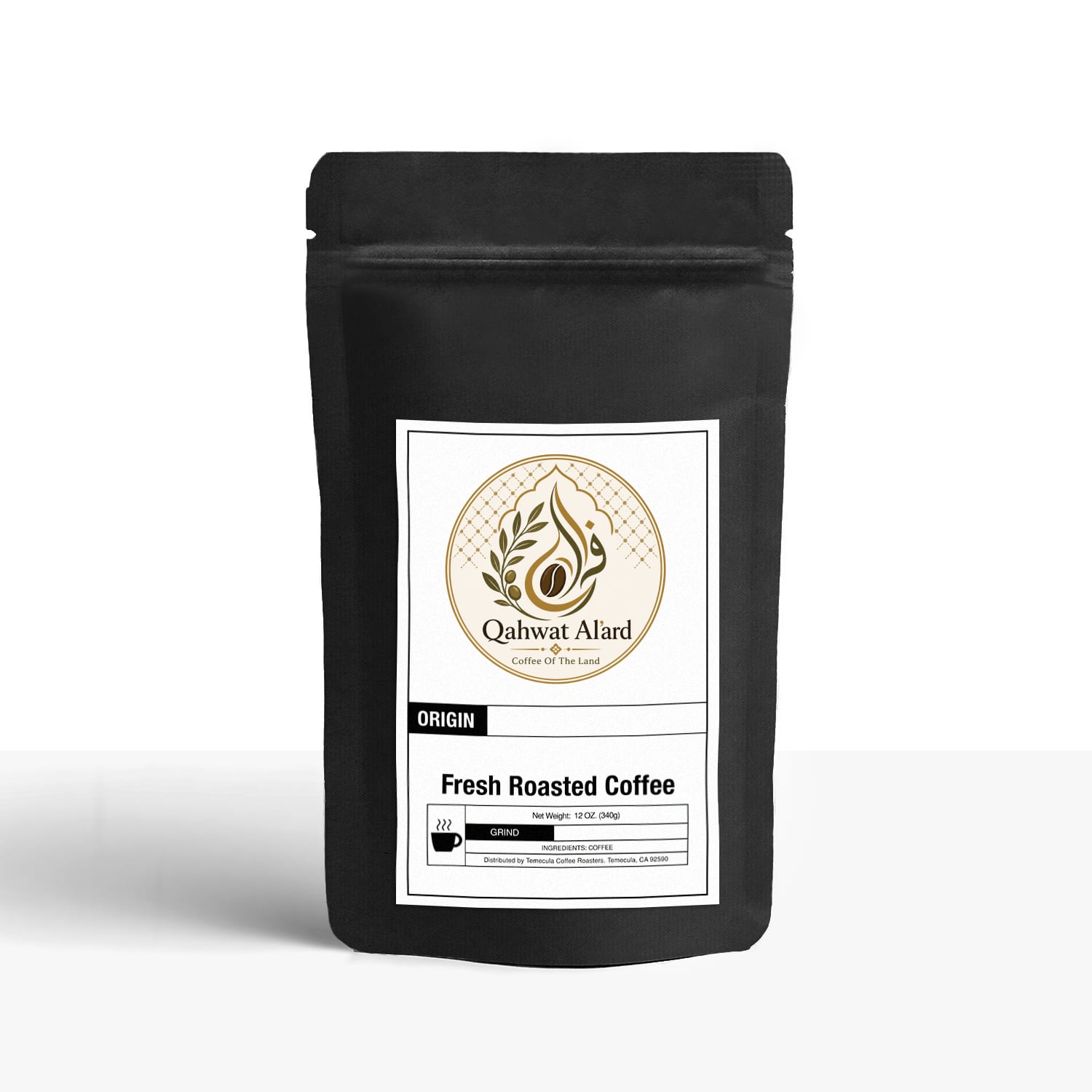
Best for variety seekers: The Best Sellers Sample Pack, covering six-bean, cowboy, breakfast, Peru, Mexico, and Bali profiles, works like a flight of coffee. It’s the fastest way to figure out your palate without buying six full bags.
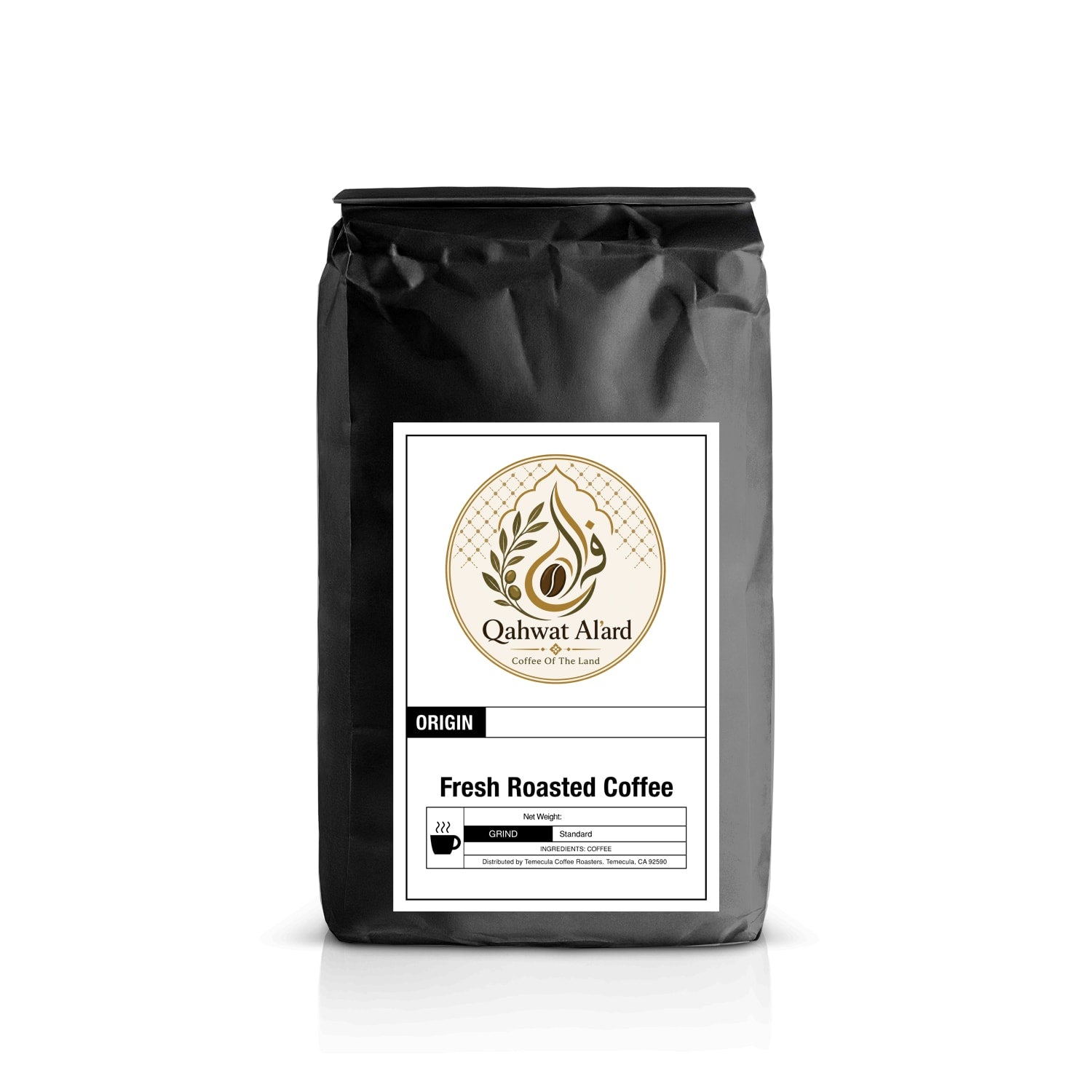
Best for gifting: Peach Paradise and Bali Blue both lean into distinctive, conversation-starting flavor profiles that read well as gifts, especially for a recipient who already owns the basics.
Best for travel or backup stock: Instant Coffee covers the gap when brewing gear isn’t an option, whether that’s a hotel room, a flight, or a desk drawer emergency stash.
A few things worth knowing before you pick a lane:
- Multi-roaster subscription services exist specifically to solve the “I don’t know what I like yet” problem, matching drinkers to unfamiliar roasters based on stated preferences.
- Single-roaster relationships tend to reward loyalty with better subscription perks and more consistent sourcing transparency over time.
- Sample packs are the cheapest way to test three or four origins before committing to a full bag of any one of them.
- Pods and capsules trade some flavor complexity for speed, but a traceable pod still beats an untraceable ground bag.
- Gift-oriented flavored coffees work best for casual drinkers rather than people chasing pure single-origin character.
Freshness by the numbers: Food & Wine’s analysis treats roast date and small-batch roasting as the two most reliable proxies for cup quality among online retailers, ahead of price or packaging claims. If a bag doesn’t list a roast date, that absence itself is a signal worth acting on.
Single-Origin, Blends, and Pods: Matching Coffee Type to Your Routine
Picking the right format matters as much as picking the right roaster. Each category solves a different problem, and knowing which one fits your morning routine saves you money and disappointment.
Single origin: for drinkers chasing terroir
Single-origin coffee comes from one specific farm, cooperative, or region, and it changes with the seasons the way wine does. A Peru lot picked this year won’t taste identical to last year’s harvest, because altitude, rainfall, and processing method all shift the final cup. That’s the appeal for enthusiasts: you’re tasting a place, not a formula.
The Single Origin Favorites Sample Pack is built for exactly this kind of comparison tasting. Rather than buying a full 12-ounce bag of a coffee you’ve never tried, you get smaller portions across several origins, which is the fastest way to learn what altitude, processing, and varietal actually do to flavor. If you want to go deeper on terroir before you order, Qahwat Al’Ard’s guide to single-origin coffee breaks down how region and process shape the cup, and the processing methods guide explains why a washed Colombian and a natural-process Bali taste nothing alike despite similar roast levels.
Pro Tip: Order single-origin coffee in whole bean form and grind it right before brewing. Pre-ground single origins lose their distinguishing aromatics within days, which defeats the entire point of paying more for terroir.
Expect roast dates within one to two weeks of your order on a well-run single-origin program, grind options from whole bean through espresso fine, bag sizes typically running 8 to 12 ounces, and price brackets in the mid-to-upper range compared to commodity grocery coffee, reflecting the smaller lot sizes involved.
Blends and everyday coffee: for drinkers who want reliability
Blends exist to solve a problem single origins can’t: consistency. A blend combines beans from multiple origins or processing methods to hit a specific flavor target every single time, regardless of what any one farm’s harvest looked like that season. That’s why blends dominate everyday drinking. You’re not chasing a seasonal peak; you want the same cup on a Tuesday that you had on a Friday.
Max Caf Blend fills that role directly, engineered for a dependable, balanced profile rather than a showcase of any single farm’s character. The Best Sellers Sample Pack works well here too, since it mixes blend-style profiles like six-bean and cowboy alongside single-origin options, letting you compare the two styles head to head before settling into a daily bag.
Expect roast dates similar to single origins, grind options across the full spectrum since blends are often bought for drip machines and French presses alike, bag sizes in the 12-ounce range for regular rotation, and prices generally lower than single origins because blending allows roasters to balance cost across multiple lots.
Pods and capsules: for drinkers who prioritize speed
Pods solve a real problem: not everyone has ten minutes for a pour-over on a Tuesday morning. The tradeoff has traditionally been flavor and traceability, since most mass-market pods use lower-grade robusta blends with no origin information at all.
The 12 Pack Single Serve Coffee Capsules and Mexico Coffee Pods close some of that gap by keeping origin sourcing intact even in single-serve format. You’re not getting the same complexity as a fresh-ground single origin, but you’re also not settling for anonymous grocery-store capsules.
Expect grind consistency baked into the format since you’re not making that choice yourself, pack sizes typically running 10 to 12 capsules, and pricing per cup that runs higher than bagged coffee but competitive with coffee shop drip pricing.
Gifts, travel, and instant options: for convenience and occasion
Gift shopping and travel both call for formats that trade some ceremony for portability. Serious Eats’ coffee gift guide and similar roundups consistently feature instant and single-serve formats as top picks precisely because they travel well and don’t require the recipient to own a grinder.
Peach Paradise and Bali Blue both work as gifts because the flavor profiles are distinctive enough to feel like a discovery, not just another bag of coffee. Instant Coffee covers the travel case directly, useful for camping trips, flights, or anywhere a full brew setup isn’t practical.
How to Choose: A Buyer’s Checklist for Online Coffee
Before you check out on any roaster’s site, run through this list. It takes two minutes and it’ll save you from a stale, mislabeled, or overpriced bag.
- Check the roast date. A specific date, not a vague “roasted fresh” claim, tells you exactly how old the coffee is. Anything without a printed date is a red flag.
- Look for origin traceability. A named farm, cooperative, or specific region beats a generic country label every time. Qahwat Al’Ard’s glossary is a useful reference if origin terms like “microlot” or “cooperative” are unfamiliar.
- Read the tasting notes critically. Notes should describe flavor, not just marketing language. “Bright citrus acidity with a cocoa finish” tells you something useful; “smooth and delicious” does not.
- Confirm grind options exist. You want whole bean at minimum, plus drip, French press, and espresso grind settings if you’re not grinding at home.
- Ask about subscription flexibility. Can you pause, skip, or change frequency without calling customer service? This matters more than the sign-up discount.
- Review the sample and return policy. A roaster confident in its coffee usually offers sample packs or a straightforward refund path if a bag disappoints.
- Compare shipping speed and cost. Fast shipping only helps if the coffee was roasted recently before it left the warehouse.
When you’re on a live chat with customer support, three questions cut through most marketing noise fast: “When was this specific roast date?” “Is this a microlot or a blend of several farms?” and “Can I pause or cancel my subscription without a fee?” A roaster that answers all three clearly, without hedging, is one worth trusting. For a full walkthrough of the online ordering process itself, Qahwat Al’Ard’s buyer’s guide covers what to expect from checkout through delivery.
Red flags worth walking away from: no roast date anywhere on the packaging or product page, origin listed only as a broad region like “South America” with no farm or cooperative name, and marketing copy that leans on words like “gourmet” or “premium” without backing it up with sourcing specifics.
Qahwat Al’Ard’s Sourcing Standards and Editorial Expertise
This catalog is built around traceability first. Every bag ties back to a named growing region, drawing from areas including Colombia, Peru, Bali, and Uganda, with sourcing details published on the product page rather than buried in a footnote. That transparency extends to the roasting process itself: coffee is roasted fresh to order in small batches, which is a meaningfully different model from warehouse roasters that roast weeks or months ahead of demand.
The Coffee Journal covers sourcing practices, roasting fundamentals, and origin education for readers who want to understand what they’re drinking, not just buy it.
This guide is written by Yasin Sofyian Ayesh, drawing on specialty coffee sourcing research and hands-on category analysis of online roasters and subscription models.
What you can verify yourself on any Qahwat Al’Ard product page:
- Roast date or small-batch roasting statement listed on the product description.
- Origin region named specifically, not just a continent or vague label.
- Grind options available at checkout rather than shipped whole bean only by default.
- Sustainability and sourcing notes tied to the specific growing region.
How Membership and Loyalty Programs Change the Math
Loyalty programs shift coffee buying from one-off purchases into an ongoing relationship, and the value compounds if you’re already planning to buy regularly. A points-based or subscriber program typically rewards repeat orders with discounts on future bags, early access to seasonal or limited micro-lot releases, and sometimes free or discounted shipping once you hit a spending threshold.
The real advantage isn’t the discount percentage, it’s the access. Limited single-origin lots sell out fast because the harvest itself is finite. Roasters that give subscribers first access to a new Peru or Bali lot are solving a scarcity problem that a one-time shopper never even sees coming.
Membership perks are also where subscription flexibility earns its keep. When comparing programs, weigh the skip and pause policy as heavily as the point structure, because a rigid subscription with generous points is still a rigid subscription.
The Case for Buying From a Roaster, Not a Retailer
Most advice on buying coffee online treats freshness as a nice-to-have, something to check if you’re feeling picky. That’s backwards. Freshness is the single biggest predictor of whether a bag will taste like anything at all, and it matters more than origin prestige or roast level. A mediocre bean roasted last week beats an exceptional bean roasted two months ago, every time.
The other place conventional advice falls short is treating single-origin exploration as intimidating or expert-only. It isn’t. A sample pack removes the guesswork and the financial risk of buying a full bag you might not like. Start there, not with a subscription, and not with whatever bag has the prettiest label on a shelf.
If there’s one thing to prioritize above all else, it’s roast date over almost everything else on the label. Origin story, sustainability claims, and tasting note poetry all matter less than a bag that was actually roasted recently and shipped fast.
— Yasin Sofyian Ayesh
Get Started With Qahwat Al’Ard’s Coffee Catalog
Skipping the guesswork is the real advantage here. Instead of ordering a mystery bag from a big-box retailer and hoping the roast date is recent, you’re choosing from a catalog where origin and freshness are stated upfront on every product page.
If you’re new to single origins, the Single Origin Favorites Sample Pack is the lowest-risk way to compare regions in one order. If mornings run tight and speed matters more than ceremony, the 12 Pack Single Serve Coffee Capsules keep traceable sourcing without the extra brew time. And if you just want one dependable bag in rotation, Max Caf Blend is built for exactly that.
Every product page lists roast date expectations, grind options, and bag sizes before you check out, and shipping windows reflect small-batch roasting rather than warehouse stock. Start by browsing the single-origin collection and pick the profile that matches what you’re craving right now.
Sources
A few independent roundups shaped how this guide frames categories and buying criteria, even though the direct recommendations above point to Qahwat Al’Ard’s own catalog:
These sources informed the category framing throughout this guide, but the direct product recommendations point to Qahwat Al’Ard’s own catalog for readers ready to order.
FAQ
Who makes the best home coffee roaster?
Home coffee roasting is a separate hobby from buying roasted beans, and quality depends more on the specific roasting machine and technique than any single dominant brand. Most enthusiasts get better, more consistent results buying from a roaster that already roasts to order in small batches rather than roasting at home.
Which coffee roaster is considered the best in the world?
There’s no single universally agreed “best” roaster since taste preferences and origin access vary widely by region and palate. What roundups consistently agree on is that the strongest online options share three traits: visible roast dates, real origin traceability, and small-batch roasting, all of which Qahwat Al’Ard’s catalog is built around.
What are the best coffee shop websites for buying beans?
The strongest coffee retail sites make roast date, origin, and grind options visible before checkout, rather than burying them in fine print. Look for sites that name specific growing regions and offer sample packs, since that combination signals a roaster confident enough in freshness to let you compare before committing to a full bag.
Where can I buy good coffee online?
Buy directly from roasters that publish roast dates and origin details on every product page rather than large marketplaces where sourcing information often gets lost. Qahwat Al’Ard’s coffee collection lists origin and roast information on each product page, and starting with a sample pack lets you test quality before ordering a full bag.


