
TL;DR:
- Coffee bag labels reveal critical details such as country, region, farm, processing method, and altitude, which influence flavor and quality. Transparency indicators like farm names, harvest dates, and Q-scores help assess origin traceability and cup excellence, while certifications clarify farming standards. Prioritizing these elements allows consumers to make informed decisions beyond tasting notes and brand marketing.
What coffee bag origin labels actually tell you
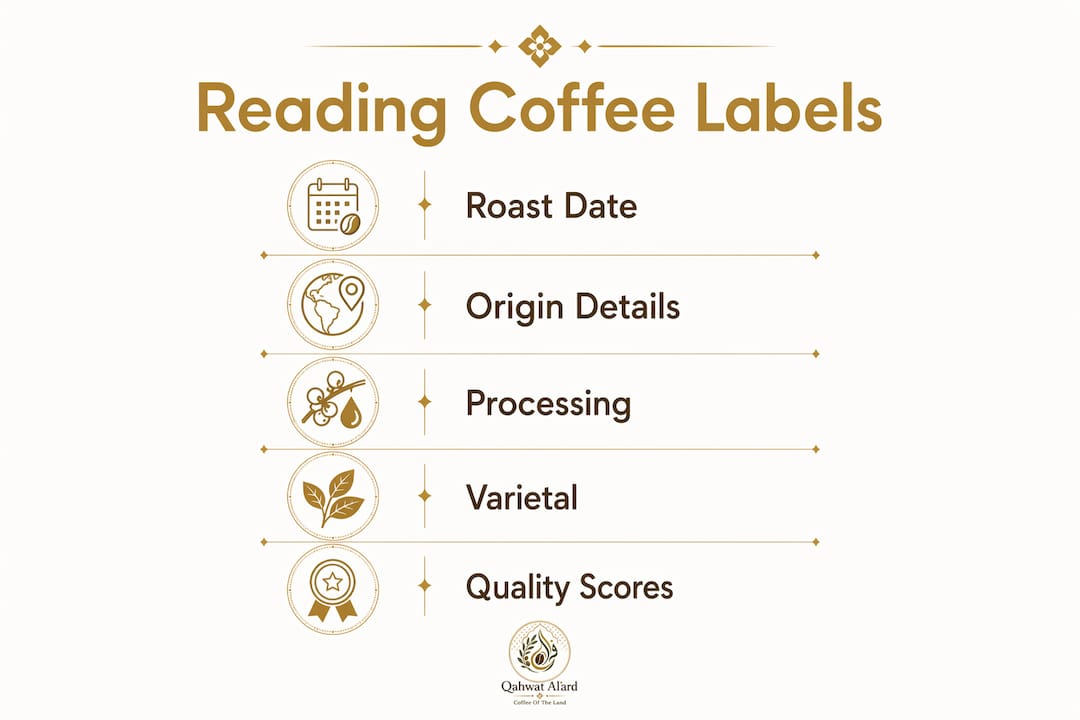
Most of the information you need to judge a coffee before you buy it is already printed on the bag. Reading coffee bag origin labels well means knowing which details carry real weight and which are just design. Here is what to look for at a glance:
- Country: The broadest flavor signal. Ethiopia suggests floral and fruity; Colombia points to balanced and chocolatey; Sumatra leans earthy and heavy.
- Region: Narrows the flavor further. Yirgacheffe within Ethiopia is different from Sidamo. Huila within Colombia is different from Nariño.
- Farm or cooperative: Signals lot-level traceability. A named farm means someone can verify where the coffee came from.
- Varietal: The genetic profile of the plant. Geisha, Bourbon, SL28, and Typica each taste distinctly different even from the same country.
- Processing method: Washed, natural, honey, or anaerobic. One of the biggest flavor predictors on the bag.
- Altitude: Higher numbers generally mean denser beans and more complex flavor. Look for high altitude generally starting around the low thousands of meters for specialty-grade quality.
- Roast date: Freshness matters more than most buyers realize. The date tells you how much flavor is left.
- Tasting notes: The roaster’s flavor description. Useful as a guide, not a guarantee.
- Weight: Grams or ounces tell you the purchase volume and help you compare value across bag sizes.
- Certifications: Organic, Fair Trade, Rainforest Alliance, and similar seals speak to farming and labor standards.
The more of these a roaster lists, the more transparent the sourcing tends to be.
What the coffee name and producer details reveal
The brand name on the front of a bag is the roaster, not the farm. Those two are rarely the same entity, and knowing the difference changes how you read the label. The roaster buys green beans, roasts them, and packages them. The producer is the farmer, cooperative, or estate that actually grew the coffee.
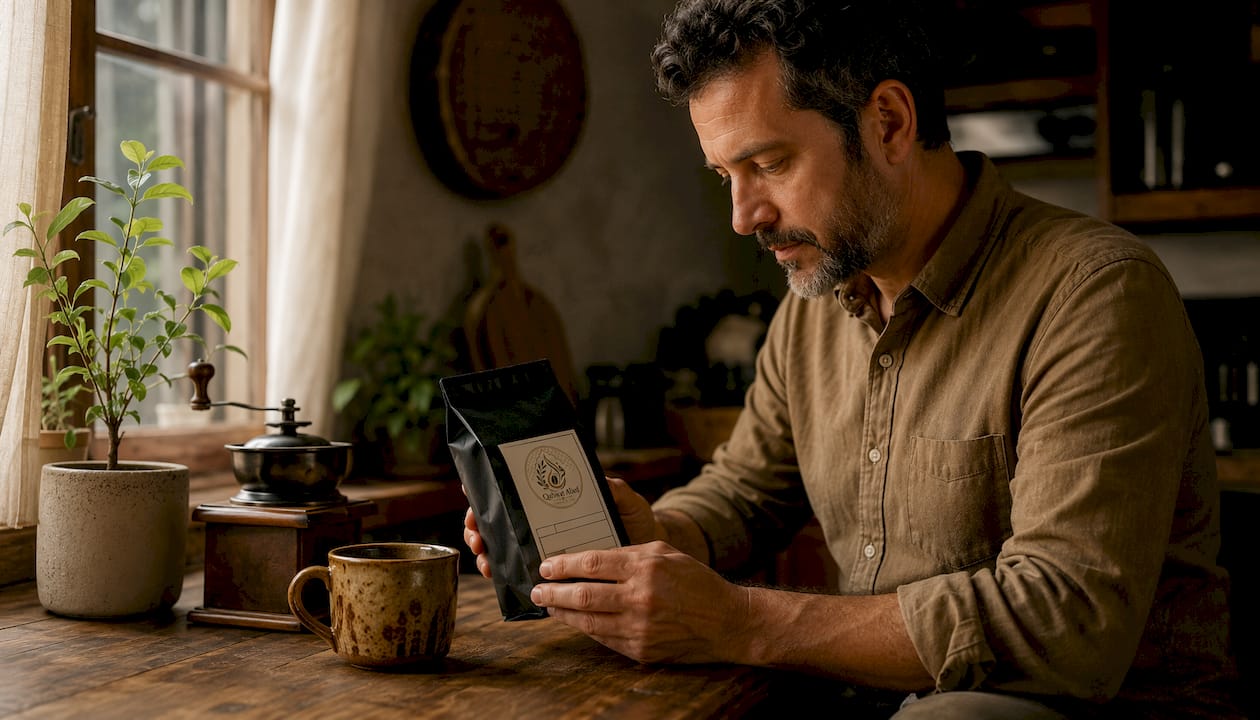
When a label lists a specific farm name like “Finca El Injerto” or a cooperative name, that is a traceability signal. It means the roaster knows exactly where the coffee came from and is willing to say so publicly. Labels that say only “Ethiopia” with no farm or cooperative name offer a country story, not a verified origin. Single-origin labeling suggests higher traceability and often higher quality than blends, which mix multiple origins and dilute the distinct flavor of any one place.
Terms like “single farm,” “estate,” or “single lot” go further than “single origin.” Single origin can mean an entire country or a large cooperative. Single farm means one specific producer, which is the tightest traceability claim a label can make.
Decoding origin details: country, region, and coffee terroir
Country of origin sets a broad flavor expectation. Region sharpens it considerably. The concept behind both is coffee terroir, the idea that a coffee’s sensory character is shaped by its specific growing environment, including altitude, soil, rainfall, temperature, and shade cover.
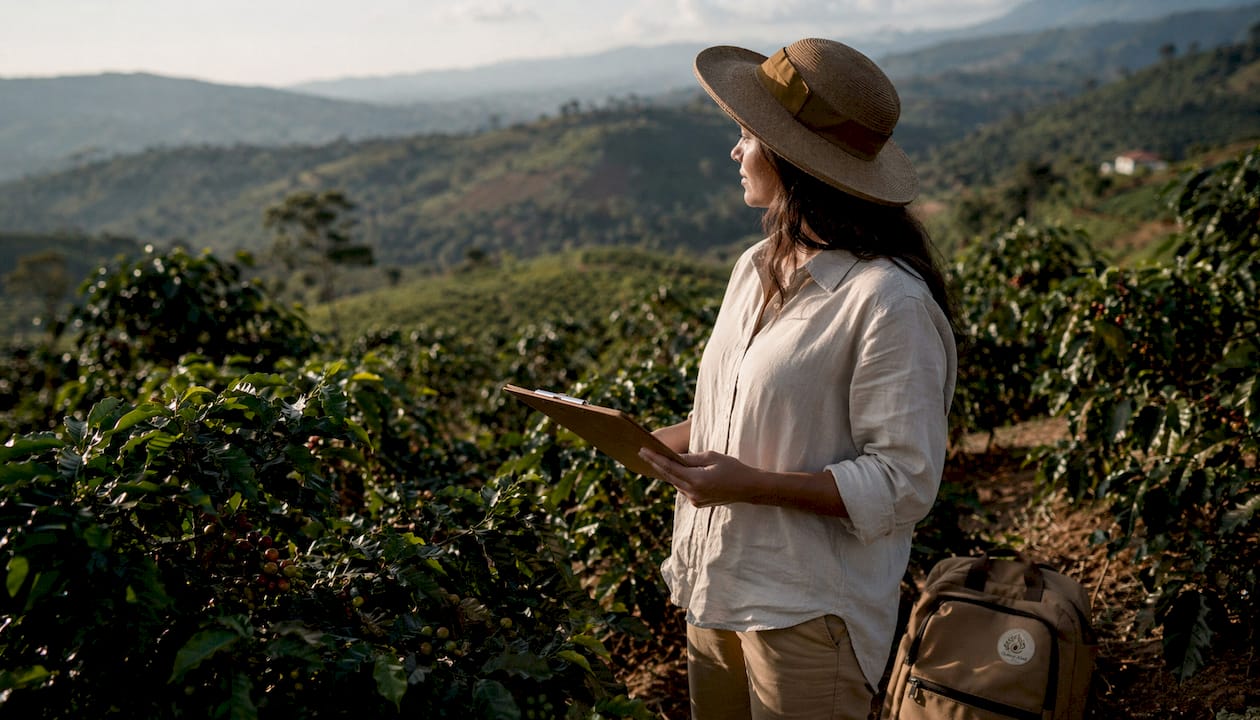
Research published in the Foods journal defines terroir as the unique sensory experience derived from a single-origin roasted coffee that embodies its environmental source. Terroir components shape aroma, acidity, bitterness, and body. Single-origin coffees express terroir most clearly because blending multiple origins dilutes the distinct flavor profile that specific growing conditions create.
A region name on a label gives you a meaningful flavor prediction:
- Yirgacheffe (Ethiopia): Floral, jasmine, blueberry, tea-like brightness.
- Huila (Colombia): Caramel, red apple, balanced sweetness.
- Antigua (Guatemala): Dark chocolate, brown sugar, mild nuttiness.
- Tarrazu (Costa Rica): Honey, peach, clean and bright finish.
- Mandheling (Sumatra): Earthy, cedar, heavy body, low acidity.
When a bag lists only the country, you get a starting point. When it lists the region, you get a reliable flavor prediction.
Altitude and elevation: what the numbers mean for your cup
Altitude is one of the most reliable quality indicators on a coffee bag. High-altitude coffee grown at 1,200 meters or above matures more slowly, which allows the bean to develop denser structure, more complex sugars, and brighter acidity. Research confirms that premium specialty coffees are typically grown above 1,600 meters, while lower-altitude beans tend toward bitterness and grassy flavors.
Two label terms directly encode altitude quality:
- SHB (Strictly Hard Bean): Used primarily in Central America, indicating coffee grown at high elevation where cooler temperatures produce denser, harder beans.
- SHG (Strictly High Grown): A similar designation used in some producing countries, recognized as a marker for premium specialty quality.
| Altitude range | Bean density | Typical flavor traits |
|---|---|---|
| — | Lower | Mild, flat, grassy, more bitter |
| — | Medium | Balanced, nutty, mild sweetness |
| 1,200m–1,600m | High | Bright acidity, caramel, fruit notes |
| Above 1,600m | Very high | Complex, floral, intense fruit, layered acidity |
When two bags from the same country look similar in price and roast, the one listing higher altitude is usually the better bet.
Pro Tip: If a bag lists both altitude and a specific farm name, that combination is one of the strongest quality signals available to you without tasting the coffee first.
Processing methods on coffee bags and their flavor impact
The processing method describes how the coffee cherry’s fruit is removed from the seed after harvest. It is one of the biggest flavor variables on any label, and understanding it changes how you set expectations before the first sip.
Common processing methods and their flavor outcomes:
- Washed (wet): The fruit is removed before drying. Produces clean, bright, floral cups where the bean’s origin character comes through clearly. Ethiopia and Kenya washed coffees are the clearest examples.
- Natural (dry): The whole cherry dries with the fruit intact. Transfers fruit sugars directly into the bean, producing jammy, fruity, wine-like profiles. Brazilian naturals are the most widely available example.
- Honey: A middle path where some fruit mucilage is left on the bean during drying. The result sits between washed clarity and natural sweetness, often with a smooth, peach-like quality.
- Anaerobic: Fermentation happens in sealed, oxygen-free tanks before drying. Produces intense, sometimes funky or tropical flavors. A newer method increasingly listed on specialty bags.
- Wet-hulled (Giling Basah): Specific to Indonesia, particularly Sumatra. Produces the distinctive earthy, heavy-bodied profile associated with Sumatran coffees.
Processing details on the label guide your expectations as much as origin does. A natural Ethiopian will taste very different from a washed Ethiopian, even from the same farm.
Coffee varietals and species listed on labels
Arabica and Robusta are the two species you will see on most bags. Almost every specialty coffee bag specifies 100% Arabica, and for good reason: Arabica grows at higher altitudes, carries more complex sugars, and produces a wider flavor range. Robusta has roughly twice the caffeine, a stronger and more bitter profile, and is most commonly found in blends, instant coffee, and Italian-style espresso. If a bag does not specify, assume it contains Robusta.
Within Arabica, the varietal listed tells you the genetic profile of the plant. Common varietals and their flavor tendencies:
- Bourbon: Sweet, rounded, with red fruit and mild acidity. One of the most widely planted varietals in Latin America.
- Typica: Clean and balanced, often with a mild sweetness. The genetic ancestor of many modern varietals.
- Geisha (Gesha): Intensely floral, jasmine, bergamot, tea-like. Rare and expensive. Originally from Ethiopia, now famously grown in Panama.
- SL28: Developed in Kenya, known for blackcurrant, bright acidity, and a distinctive winey finish.
- Caturra: A natural mutation of Bourbon, compact plant, bright and citrusy.
- Catuai: A hybrid of Caturra and Mundo Novo, widely planted in Brazil, mild and consistent.
The World Coffee Research Variety Catalog documents the flavor profiles and agronomic traits of dozens of Arabica varietals, making it a useful reference when a label lists a name you do not recognize.
Roast date and freshness indicators
The roast date is the single most actionable freshness signal on a coffee bag. Coffee begins losing its volatile aromatic compounds almost immediately after roasting, and the rate of degradation accelerates after grinding. Whole bean coffee stays fresh longer than pre-ground, but neither lasts indefinitely.
Key freshness facts for label reading:
- Optimal window: Consume within 7 to 21 days after the roast date for peak flavor. Espresso benefits from a short rest of 5 to 10 days post-roast; filter coffee is often best within the first two weeks.
- Best-by date vs. roast date: A best-by date tells you when the coffee becomes stale, not when it is at its best. A roast date gives you the actual information you need to judge freshness.
- No roast date: If a bag lists only a best-by date or no date at all, that is a transparency gap. Many commodity-grade coffees omit the roast date deliberately because the coffee may have been sitting in a warehouse for months.
- Degassing: Freshly roasted coffee releases CO2, which is why specialty bags have one-way valves. That valve is a freshness feature, not just packaging design.
Buy whole bean when possible, and check the roast date before anything else on the bag.
Understanding tasting notes and flavor descriptors
Tasting notes are the roaster’s best attempt to describe what the coffee tastes like in the cup. They are useful as a directional guide, not a precise specification. A note like “blueberry and jasmine” on an Ethiopian natural tells you to expect fruity brightness, not that you will taste a literal blueberry.
A few things to keep in mind when reading flavor descriptors:
- Objective vs. subjective: Notes like “bright acidity” or “heavy body” describe measurable sensory attributes. Notes like “notes of dark forest floor after rain” are impressionistic and vary widely by palate.
- Roaster style matters: Two roasters can buy the same lot and describe it differently based on roast level. A lighter roast will emphasize fruit and floral notes; a darker roast will push toward chocolate and caramel.
- Florid descriptors: When a label lists eight tasting notes, treat it with some skepticism. Most cups express two or three dominant flavors clearly. A long list often reflects marketing enthusiasm more than sensory precision.
- Use notes to compare, not predict exactly: Tasting notes are most useful when comparing two coffees side by side. If one says “chocolate and walnut” and another says “lemon and jasmine,” you have a real flavor direction to work with.
Tasting notes are the roaster’s voice. Q-scores and traceability are the evidence.
Packaging and amount labels: knowing your coffee quantity
Weight labels tell you how much coffee you are actually buying, which matters more than bag size for comparing value. Coffee bags in the United States commonly come in 8 oz (227g), 12 oz (340g), and 1 lb (454g) formats for retail whole bean. Specialty roasters often use 250g bags, which is slightly less than a standard half-pound.
A few practical points on packaging:
- Single-serve capsules: Typically contain 7g to 12g of coffee per capsule, depending on the format. A 12-pack of capsules delivers a fixed number of servings with no grinding required.
- Bag size and freshness: A larger bag is not always better. If you brew one or two cups a day, a 1 lb bag may go stale before you finish it. Smaller bags bought more frequently often produce a better cup.
- Valve packaging: One-way degassing valves on bags allow CO2 to escape without letting oxygen in. This is a quality indicator. Flat-sealed bags without valves are more common in commodity coffee.
- Resealable closures: Zip-lock or fold-and-seal closures slow oxidation after opening. Store coffee in the bag with the closure sealed, away from light and heat.
The importance of traceability, Q-scores, and label transparency in specialty coffee
Traceability and objective quality scoring are what separate a verified specialty coffee from a bag with a good story. A label that says “single origin” without a farm name, lot number, or harvest date is offering marketing, not documentation.
The specialty coffee grading system centers on Q-Graders, certified professionals trained by the Coffee Quality Institute who evaluate coffee using a standardized cupping protocol. A coffee must score 80 or above out of 100 to qualify as specialty grade. That score covers aroma, flavor, aftertaste, acidity, body, balance, and uniformity. When a bag lists a Q-score or references a cupping score, that number is the most objective quality indicator available to you as a consumer.
What lot-level traceability looks like in practice:
- A specific farm or cooperative name, not just a country.
- A harvest date or crop year, not just a roast date.
- A lot number or batch identifier that connects the bag to a specific picking and processing event.
- Processing method documentation that matches what is listed on the label.
Certification labels like Fair Trade or organic speak to labor and farming standards, which matter. But they do not guarantee cup quality. A coffee can be Fair Trade certified and score below specialty grade. A coffee can score 90 points and carry no certification at all. The two systems measure different things.
Pro Tip: When you visit a roaster or specialty café, ask for the Q-score or cupping notes for any coffee you are considering. A roaster who cannot answer that question may not have the documentation to back their origin claims.
What certification labels actually mean on a coffee bag
Certification seals on coffee bags signal specific commitments, but each one covers different ground. Knowing what each seal does and does not guarantee helps you read the label accurately.
- USDA Organic: The coffee was grown without synthetic pesticides or fertilizers, certified by an accredited agency under USDA standards. Does not address cup quality or labor conditions.
- Fair Trade Certified: Guarantees a minimum price paid to producers and sets standards for labor practices and community investment. Does not guarantee flavor quality or specialty-grade scoring.
- Rainforest Alliance: Focuses on environmental sustainability, biodiversity, and some social standards. The seal indicates the farm met a set of criteria across those areas, not that the coffee scored above a flavor threshold.
- Direct Trade: Not a third-party certification. It is a claim made by the roaster that they purchased directly from the producer, often at above-market prices. The strength of this claim depends entirely on the roaster’s transparency.
- Shade Grown: Indicates the coffee was grown under a forest canopy rather than in full sun. Associated with slower bean development and better habitat for migratory birds, but not a standardized certification in the same way as organic.
No single certification tells the whole story. The most transparent bags combine certifications with specific origin data and quality scores.
What microlot and special lot designations mean
A microlot is a small, separately processed batch of coffee from a specific section of a farm, a specific harvest day, or a specific processing experiment. The term signals precision. Instead of blending the entire farm’s harvest together, the producer isolated a particular lot because it showed exceptional quality or a distinctive flavor profile.
Microlots typically come from a single varietal, a single picking date, and a single processing run. That specificity makes them traceable to a degree that standard lots are not. When you see “microlot” on a bag, you should also see supporting details: the farm name, the varietal, the processing method, and ideally a lot number or harvest date.
“Special lot” is a looser term. Some roasters use it to describe any coffee they sourced with extra care, which may or may not mean the same level of documentation as a true microlot. The distinction matters because microlot has a relatively understood meaning in the specialty coffee trade, while special lot is essentially self-defined by the roaster.
Both designations typically come with a higher price. Whether that price is justified depends on the supporting information on the label. A microlot with a Q-score, a farm name, and a harvest date is worth the premium. A “special lot” with no additional details is a marketing claim.
How storage and packaging date affect what you taste
The packaging date and storage conditions between roasting and your cup affect flavor more than most coffee drinkers account for. Coffee is hygroscopic, meaning it absorbs moisture from the air, and it oxidizes when exposed to oxygen. Both processes degrade flavor.
A roast date tells you when the coffee was roasted. A packaging date, when listed separately, tells you when it was sealed into the bag. A gap between those two dates can indicate the coffee sat in bulk storage before being packaged, which accelerates staling. The tightest quality signal is a roast date that matches or closely follows the packaging date.
Storage conditions after you open the bag matter just as much. Keep coffee in its original bag with the seal closed, away from direct sunlight, heat, and moisture. Avoid the refrigerator: the temperature cycling as you open and close the door introduces condensation. A cool, dark pantry shelf is the right environment. Ground coffee stales within minutes of grinding, so grinding immediately before brewing preserves the most flavor from any bag, regardless of how well the label reads.
How to tell a blend from a single-origin label
Single-origin and blend labels follow recognizable patterns once you know what to look for. A single-origin bag will name a specific country, and usually a region, farm, or cooperative. The label reads like a place: “Ethiopia Yirgacheffe, Kochere Cooperative, washed, 1,900m.” Every detail points to one location.
A blend label typically lists a name that does not correspond to a place. “Breakfast Blend,” “House Espresso,” or “Morning Ritual” are blend names. Some blends list the component origins, such as “Brazil, Colombia, Ethiopia,” which tells you it is a multi-origin product. Others list nothing beyond the blend name, which means you have no origin information at all.
The flavor difference is real. Single-origin coffees showcase the character of one place, which makes them ideal for pour-over and drip brewing where clarity and origin expression matter. Blends are designed for consistency across batches, which makes them reliable for espresso and milk-based drinks where a stable flavor baseline is more useful than a distinctive terroir character.
Neither is inherently better. A well-crafted blend from a skilled roaster can be more complex than a poorly sourced single origin. The label tells you what to expect; your palate decides what you prefer.
Explore what transparent origin labels look like in practice
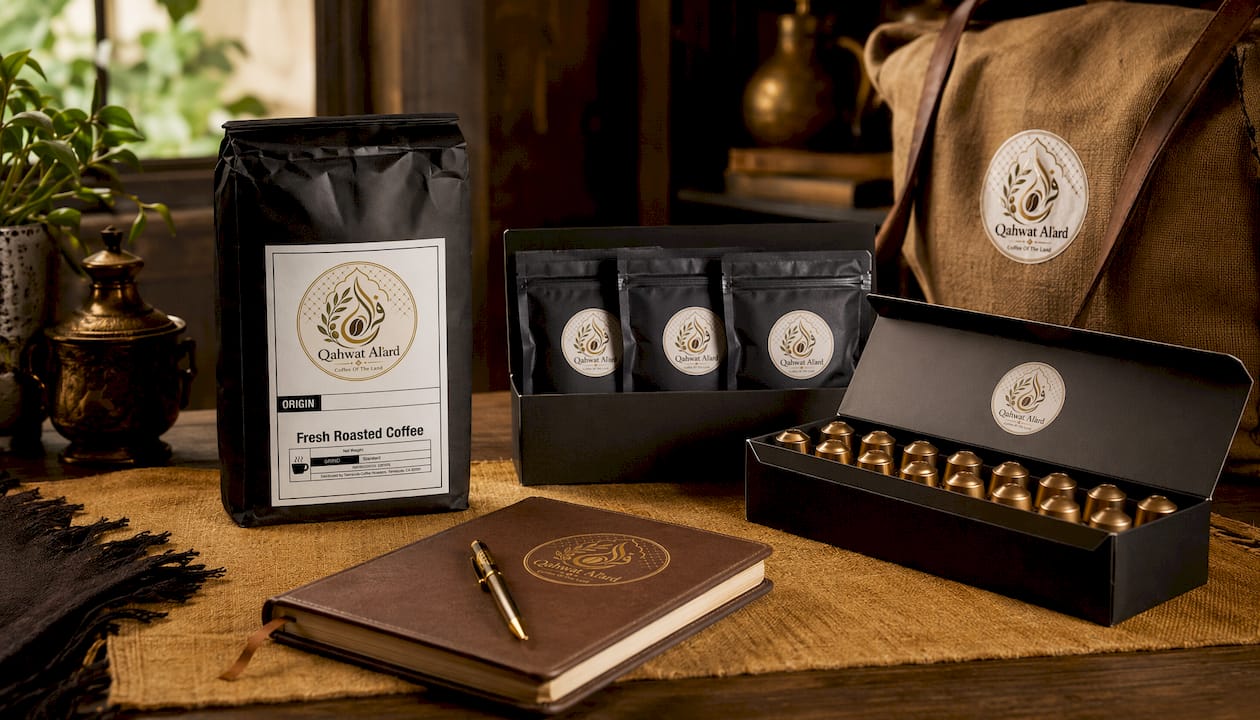
Qahwatalard sources and labels every coffee with the origin details that actually matter: farm name, processing method, altitude, and roast date. The Bali Blue single origin is a strong example of how a well-documented origin label translates into a distinctive cup. For enthusiasts who want to taste the range of what origin labels describe, the single-origin sample pack puts several distinct origins side by side so you can connect label details to actual flavor differences. If convenience matters, the single-serve capsules carry the same origin transparency in a format that requires no equipment beyond a compatible brewer.
Key Takeaways
Reading coffee bag origin labels well means prioritizing traceability, altitude, processing method, and roast date over brand design and tasting note poetry.
| Point | Details |
|---|---|
| Altitude signals quality | Specialty coffees typically grow above 1,600 meters; SHB and SHG labels confirm high-elevation density. |
| Roast date over best-by date | Consume within 7 to 21 days post-roast for peak flavor; no roast date is a transparency gap. |
| Q-score is the objective measure | Coffees scoring 80 or above out of 100 qualify as specialty grade under the Q-Grader protocol. |
| Processing shapes flavor as much as origin | Washed, natural, honey, and anaerobic methods each produce distinct flavor profiles from the same origin. |
| Certifications and quality are separate | Fair Trade and organic seals address labor and farming standards, not cup quality or sensory scores. |
FAQ
How do you read a coffee bag?
Start with the roast date, then the origin details (country, region, farm), then the processing method and varietal. Those four elements tell you more about what is in the bag than the tasting notes or brand design.
What do the numbers on coffee bags mean?
Numbers typically indicate altitude in meters, weight in grams or ounces, and sometimes a Q-score or cupping score. Specialty coffees are typically grown above 1,600 meters, and a Q-score of 80 or above confirms specialty grade.
How do you know if a coffee is single origin?
A single-origin bag names a specific country, region, or farm rather than a blend name. Labels like “Ethiopia Yirgacheffe, Kochere Cooperative” point to one location; names like “House Blend” or “Morning Roast” indicate multiple origins mixed together.
What is the 15-15-15 coffee rule?
The 15-15-15 rule is not a standardized industry term in specialty coffee. It may refer to informal brewing ratios or timing guides used in specific brewing contexts, but no single canonical definition applies across the specialty coffee trade.


