


For daily drinkers who care about cost and sustainability, reusable pods are almost always the better call. For ultra-busy users who need zero prep, single-use capsules still win. And for occasional drinkers who brew a cup once or twice a week, the convenience of a pre-filled pod usually outweighs the savings math.
Here’s the quick decision cheat sheet:
- Daily saver (2+ cups/day): Go reusable. Per-cup costs drop to $0.10–$0.25 versus $0.40–$1.00+ for single-use capsules, and the savings compound fast.
- Convenience-first: Stick with single-use. Qahwat Al’Ard’s 60 Pack Single Serve Coffee Pods and 12 Pack Single Serve Coffee Capsules deliver consistent, traceable coffee with zero prep. The Max Caf Blend and Peru Coffee Pods are strong picks when you want single-origin character without any fuss.
- Occasional drinker (3–4 cups/week): Single-use wins on freshness and simplicity. The break-even timeline stretches too long to justify the reusable hardware cost.
Key Takeaways
Reusable pods cut annual coffee costs significantly for a two-cup-per-day drinker and eliminate hundreds of disposable capsules per year, but single-use pods remain the faster, more consistent option for busy or occasional drinkers.
| Point | Details |
|---|---|
| Cost savings are significant | Reusable fills cost $0.10–$0.25 per cup vs. $0.40–$1.00+ for single-use capsules. |
| Break-even is fast | A $15 stainless pod pays back in roughly 3–4 weeks at two cups per day. |
| Waste reduction is real | One reusable pod can replace 500+ disposable capsules over its lifetime. |
| Taste requires technique | Grind size and packing are the biggest variables; correct them and reusable pods match or beat single-use quality. |
| Qahwat Al’Ard fits both approaches | The 60 Pack Single Serve Coffee Pods and Peru Coffee Pods suit convenience-first drinkers; Max Caf Blend works as a reusable fill. |
Table of Contents
- How reusable pods and single-use pods actually work
- Reusable pod vs. single-use: machine compatibility checklist
- Cost comparison: per-cup math and break-even example
- Environmental impact: what switching actually accomplishes
- How taste and extraction differ between pod types
- Time, daily routine, and how long reusable pods last
- Leaks, weak coffee, clogging: fixes that actually work
- Cleaning, safety, and what to know about pod materials
- How to pick the right system for your priorities
- A realistic one-year cost and waste comparison
- The case for keeping both options in your cabinet
- Qahwat Al’Ard has the pods and coffee to match your routine
- Sources
- FAQ
How reusable pods and single-use pods actually work
A reusable pod is a refillable capsule you fill with your own ground coffee, seal (usually with a lid or silicone cap), brew, then empty and rinse. Most are made from stainless steel, BPA-free plastic, or food-grade silicone. Single-use pods are factory-sealed capsules made from plastic or aluminum, pre-loaded with a measured dose of ground coffee and flushed with nitrogen to lock in freshness.
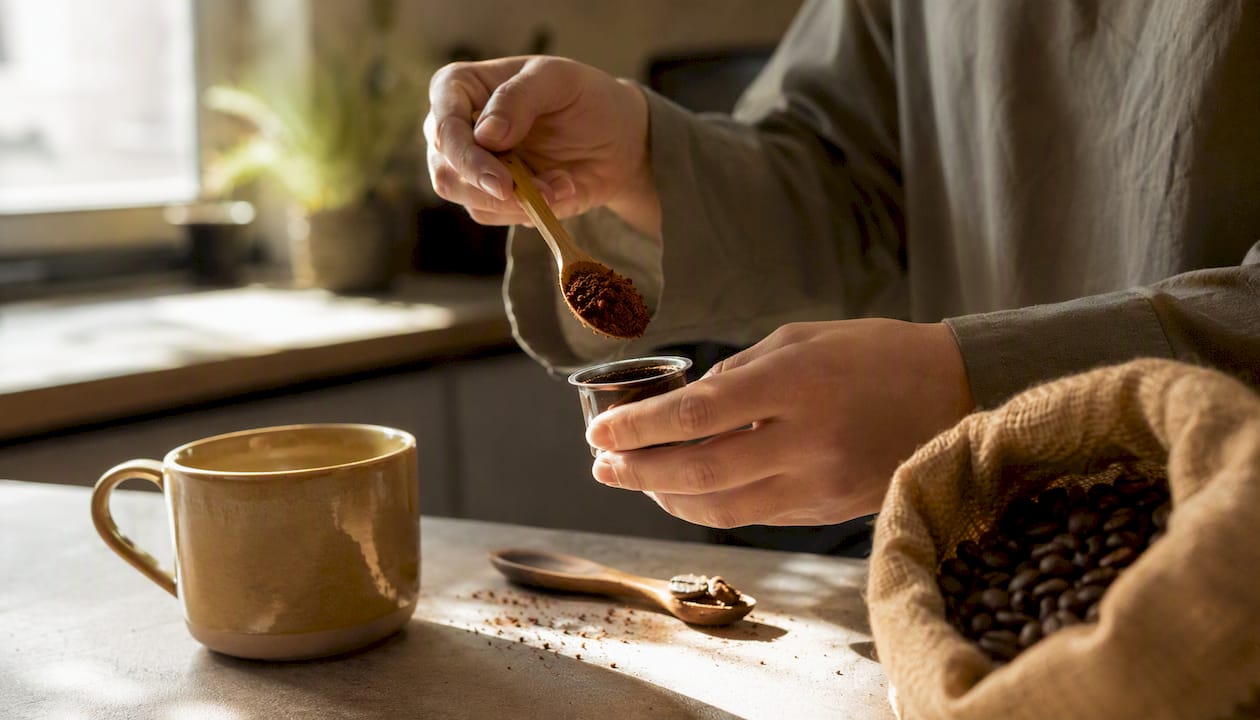
The brewing mechanics differ in one key way: single-use pods are engineered to a precise pressure and grind spec, so extraction is consistent by design. Reusable pods put that control in your hands, which is both the advantage and the challenge.
Material trade-offs at a glance:
| Material | Durability | BPA Risk | Recyclability |
|---|---|---|---|
| Stainless steel | 2+ years | None | Recyclable at metal facilities |
| BPA-free plastic | 6–18 months | Low (if certified) | Limited; check local programs |
| Aluminum (single-use) | Single use | None | Recyclable but requires sorting |
| Plastic (single-use) | Single use | Varies by brand | Rarely accepted curbside |
Stainless steel pods hold up to daily use and high-pressure brewing without warping. Plastic reusable pods are lighter and cheaper upfront but degrade faster, especially under repeated heat cycles. Single-use aluminum pods are technically recyclable, but most municipal programs won’t accept them without a special drop-off.
Reusable pod vs. single-use: machine compatibility checklist
Not every reusable pod fits every machine. Before you buy, check these four things:
- Pod format. K-Cup-style brewers (Keurig and similar single-serve machines) use a specific basket size. Nespresso OriginalLine machines use a different, smaller capsule shape. Nespresso Vertuo machines use a barcode-scanning system that actively rejects third-party and refillable pods, so reusable options are extremely limited for that platform.
- Pressure tolerance. Some machines brew at 15–19 bars of pressure. A reusable pod with a loose-fitting lid can leak or blow out under high pressure. Check the pod’s listed pressure rating against your machine’s spec.
- Seal style. Some reusable pods use a foil lid you press on; others use a snap-fit plastic cap or a silicone gasket. The seal style affects both leak risk and how well the pod holds pressure during extraction.
- Proprietary scanning. Vertuo-style machines scan a barcode on the capsule rim to set brew parameters. No reusable pod can replicate that scan, so the machine either refuses to brew or defaults to a generic setting that usually produces a weak result.
Pro Tip: Before buying any reusable pod, search your machine’s model number plus “reusable pod compatibility” on the manufacturer’s support page or the pod maker’s FAQ. A $12 pod that doesn’t seal properly in your machine is $12 wasted.
Cost comparison: per-cup math and break-even example
The math here is straightforward. For single-use pods, your cost per cup equals the capsule price, typically $0.40–$1.00 or more for specialty options. For reusable pods, your cost per cup equals the price of the ground coffee divided by the number of cups it yields, usually $0.10–$0.25, plus the amortized hardware cost spread over hundreds of uses.
A realistic break-even example for a daily two-cup habit:
- Single-use capsules at $0.70/cup: $1.40/day, roughly $511/year.
- Reusable pod (stainless steel, ~$15 upfront) filled with coffee at $0.15/cup: $0.30/day, roughly $109.50/year plus the $15 hardware cost.
- Net annual saving: ~$386. Break-even hits in about 22 days of two-cup brewing.
For a Nespresso-compatible stainless pod, a worked UK example shows payback in under 50 refills when per-cup savings run around £0.32. Adapt the numbers to U.S. pricing and your own capsule cost, and the principle holds.
Pro Tip: The fastest path to payback is pairing a stainless steel pod with a single-origin coffee subscription or bulk bag. Buying coffee in larger quantities drops your per-cup cost further and shortens break-even to days, not months.
Environmental impact: what switching actually accomplishes
One stainless steel reusable pod used daily for two years replaces roughly 730 disposable capsules. At two cups per day, that’s closer to 1,460 capsules kept out of the trash over the same period. A single reusable pod can realistically replace 500+ disposable pods over its lifetime, and a high-quality stainless model lasts well beyond that.
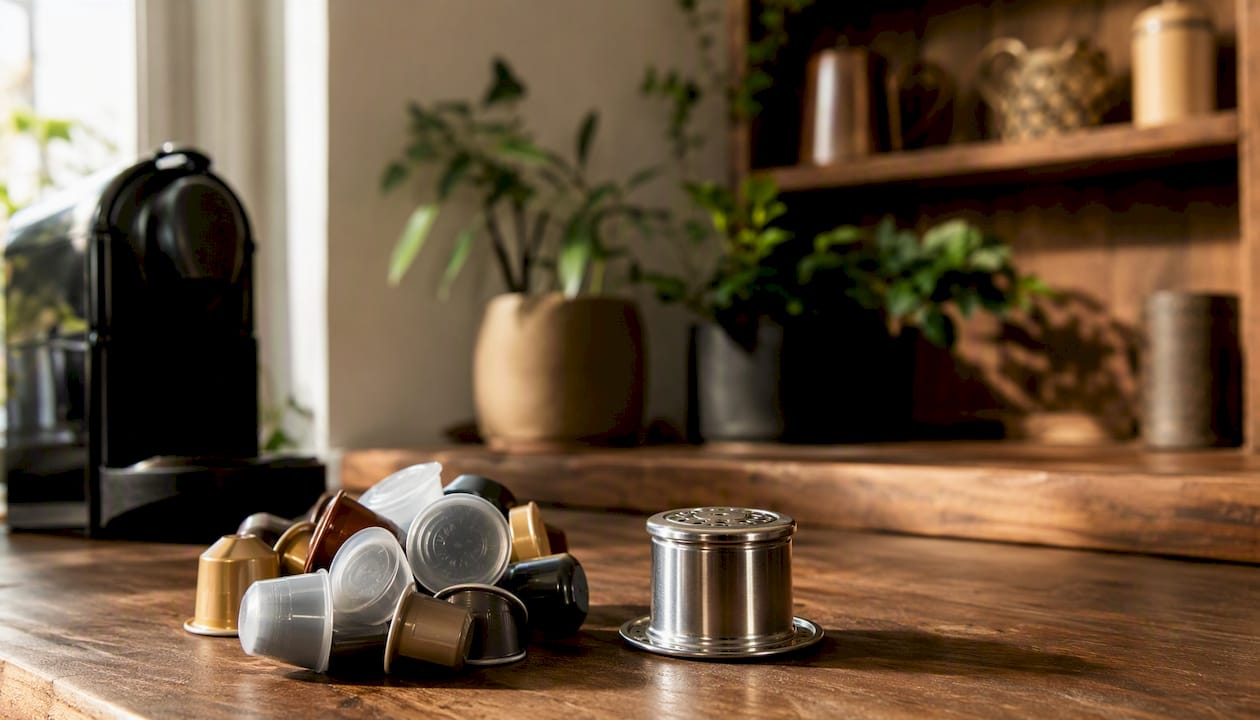
The recycling reality for single-use pods is messier than most brands suggest. Aluminum capsules are technically recyclable, but they require rinsing, sorting, and drop-off at a participating facility. Most end up in landfill because the effort barrier is too high for everyday use. Plastic single-use pods are rarely accepted by curbside programs at all.
To get the most environmental value from reusable pods:
- Compost used coffee grounds. They’re nitrogen-rich and break down quickly in a backyard compost bin or municipal green waste. Composting grounds is one of the highest-impact, lowest-effort sustainability steps a home brewer can take.
- Recycle stainless steel pods at end of life through a metal recycling facility, not the general bin.
- Avoid single-use pods with mixed-material construction (plastic body, foil lid, paper filter inside) since they can’t be separated for recycling at home.
Pro Tip: Keep a small compost bin on the counter next to your machine. Knocking grounds directly into it after each brew takes two seconds and builds a habit that compounds over hundreds of cups.
500+ disposable pods replaced by a single reusable pod over its lifetime — that’s the scale of the swap for one daily coffee drinker.
How taste and extraction differ between pod types
Reusable pods get a bad reputation for weak coffee, and that reputation is usually earned by user error, not the hardware. Grind size and packing technique are the two biggest variables, and getting them wrong produces a watery, under-extracted cup every time.
Why reusable pods produce weak coffee:
- Grind too coarse: water flows through too fast, pulling flavor only from the surface.
- Underfilling the basket: not enough coffee contact means under-extraction.
- Loose tamping: channeling lets water find the path of least resistance instead of passing through the full puck.
- Wrong roast: light roasts need a finer grind and longer contact time than dark roasts in a capsule format.
How to dial it in:
- Start with a medium-fine grind, roughly the texture of table salt.
- Fill the basket to just below the rim, then tamp with light, even pressure.
- Brew one cup and taste. Weak? Grind finer or add a gram of coffee. Bitter or slow flow? Grind coarser.
- Change one variable at a time. Changing grind and dose simultaneously makes it impossible to know which fix worked.
- Once dialed in, the result is often more nuanced than a pre-filled capsule because you control the origin, roast, and freshness. Exploring artisan pod varieties and tasting notes is genuinely easier when you’re filling your own pods.
Single-use pods win on consistency. The grind, dose, and roast are fixed, so every cup is identical. That’s the trade-off: reusable pods offer more control and potentially better flavor, but they require a short learning curve to get there.
Time, daily routine, and how long reusable pods last
The honest time cost of a reusable pod is about 60–90 seconds extra per cup compared to dropping in a pre-filled capsule. That includes filling, tamping, brewing, and a quick rinse after. Most users report that number drops significantly after a week or two of habit formation.
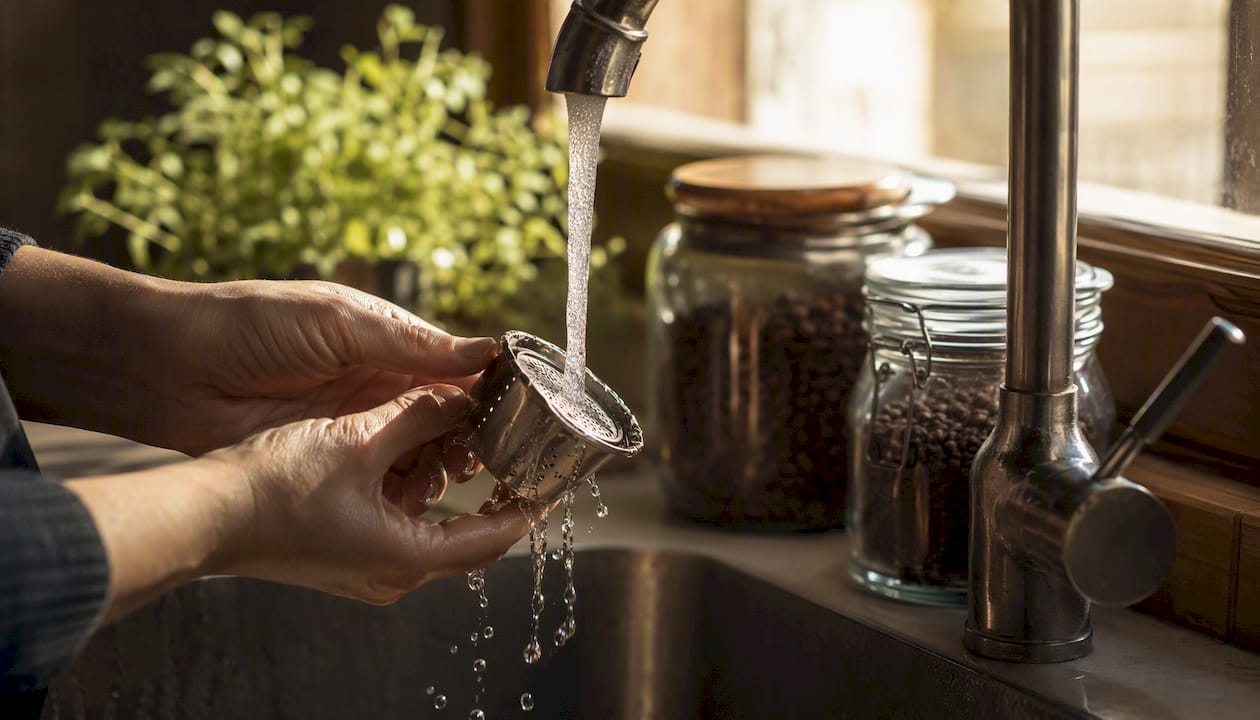
Batch-filling solves the morning rush problem. Fill three or four pods the night before, store them in a small container, and your morning routine is nearly as fast as single-use.
Lifespan by material:
- Stainless steel: 2+ years with regular cleaning. Signs of replacement: visible corrosion, a cracked filter basket, or a lid that no longer seals properly.
- BPA-free plastic: 6–18 months. Discoloration, warping, or a persistent off-smell after cleaning are signals to replace.
Maintenance schedule:
- Daily: Rinse the pod and lid under warm water immediately after use. Don’t let grounds dry inside the filter.
- Weekly: Soak in warm soapy water for 10–15 minutes, then scrub the filter with a soft brush to clear any packed grounds.
- Monthly: Inspect the lid seal and filter mesh for damage or buildup.
Pro Tip: A baby bottle brush fits perfectly inside most reusable pod baskets and clears packed grounds in one pass without scratching the filter.
Leaks, weak coffee, clogging: fixes that actually work
Most reusable pod problems trace back to three root causes: wrong grind, improper fill, or a worn seal. Here’s how to diagnose each:
Common problems and quick fixes:
- Leaking around the pod: The lid isn’t seated fully, or the seal is worn. Press the lid down firmly before brewing. If leaking continues, replace the lid or the pod.
- Weak or watery coffee: Grind is too coarse, or the basket is underfilled. Grind finer and add coffee until the basket is nearly full.
- Slow flow or no flow: Grind is too fine, clogging the filter. Coarsen the grind by one or two steps.
- Inconsistent cup to cup: Tamping pressure varies. Use a consistent, light tamp and fill to the same level each time.
Step-by-step troubleshooting sequence:
- Check the grind first. It’s the cause of weak or slow brews more often than any other variable.
- Check the fill level. A half-filled basket extracts unevenly.
- Check the seal. Hold the filled pod over a sink and press the lid. Any drip means the seal is compromised.
- Check the machine. If the pod is fine but flow is still inconsistent, descale the brewer. Mineral buildup in the needle or pump affects pressure and extraction.
- If leaking persists after replacing the lid, the pod body itself may be warped. Replace it.
Two habits prevent most of these problems: grinding fresh (pre-ground coffee compacts unevenly in a reusable pod) and rinsing the pod immediately after brewing so grounds don’t dry and clog the filter mesh.
Cleaning, safety, and what to know about pod materials
Daily and weekly cleaning checklist:
- Rinse pod and lid under warm running water right after each use.
- Once a week, soak in warm water with a drop of dish soap for 10 minutes.
- Scrub the filter mesh with a soft brush, not a metal scrubber.
- Check the dishwasher compatibility of your specific pod before putting it in the top rack. Many stainless pods are dishwasher-safe; most plastic lids are not.
- Dry completely before storing. A damp pod stored in a closed drawer is a mold risk.
Health considerations by material:
Stainless steel is the safest option for repeated heat exposure. It doesn’t leach chemicals, doesn’t absorb flavors, and holds up to boiling water without degrading. BPA-free plastic is generally considered safe for food contact, but “BPA-free” doesn’t automatically mean free of all bisphenol compounds. Some BPA substitutes (BPS, BPF) have raised similar concerns in preliminary research. If you’re brewing multiple cups daily, stainless steel is the lower-risk choice for long-term use.
Single-use plastic pods also carry material questions. The plastic used in most capsules is food-grade polypropylene, which is considered stable at brewing temperatures, but the long-term picture on repeated hot-water contact with any plastic is still being studied.
Pro Tip: After the weekly soak, stand the pod upside down on a clean towel and let it air-dry for at least an hour before storing. This prevents moisture from pooling in the filter mesh, which is where mold starts.
How to pick the right system for your priorities
Run through this checklist. Your answers point directly to the right choice.
Decision checklist:
- Do you brew 2+ cups per day? Reusable pods pay back in weeks and save hundreds of dollars annually.
- Do you have 90 extra seconds in your morning routine? If yes, reusable is manageable. If no, single-use is the honest answer.
- Do you care about grind control and coffee origin? Reusable pods give you full control. Single-use pods give you consistency.
- Are you willing to clean a pod daily? If not, single-use is the lower-friction option.
- Is reducing plastic waste a priority? Reusable pods eliminate hundreds of capsules per year.
Decision flow:
- If you answered yes to cost savings AND daily brewing: go reusable.
- If you answered yes to convenience AND no to daily cleaning: go single-use.
- If you answered yes to some of both: consider a hybrid approach.
Hybrid strategies that work well:
- Use a reusable pod on weekdays when you have a routine. Keep a box of single-use capsules for travel, guests, or rushed mornings.
- Fill reusable pods the night before on busy weeks. This removes the morning friction almost entirely.
- Use flavored single-origin pods for special occasions and a reusable pod with a reliable everyday blend for daily brewing.
A realistic one-year cost and waste comparison
Scenario assumptions:
- 2 cups per day, 365 days per year = 730 cups annually.
- Single-use capsule cost: $0.70 per cup (mid-range specialty pod).
- Reusable pod hardware: $15 (stainless steel, one-time cost).
- Coffee for reusable fills: $0.15 per cup (quality ground coffee bought in a mid-size bag).
730 disposable pods avoided in a single year. At two cups per day, a stainless steel pod that lasts two years keeps roughly 1,460 capsules out of landfill.
Methodology note: The $0.70 capsule price reflects a mid-range specialty pod. Budget pods run closer to $0.40; premium single-origin capsules can exceed $1.00. The $0.15 per-cup coffee cost assumes a mid-size bag of quality ground coffee. Adjust both inputs to your actual spending and the savings math shifts accordingly. The UK-sourced break-even example showing payback in under 50 refills used a £14.99 pod and £0.32 per-cup savings; the U.S. numbers above follow the same structure with dollar-denominated inputs.
730 single-use pods avoided per year for a two-cup-per-day drinker who switches to a reusable pod.
The case for keeping both options in your cabinet
The reusable-vs-single-use debate gets framed as a binary, but the most practical answer for most coffee drinkers is neither extreme. A stainless steel reusable pod handles the daily grind, literally and figuratively, while a small stock of quality single-use capsules covers the moments when prep time is zero and consistency is everything.
What the cost math doesn’t capture is the satisfaction of dialing in a cup. When you fill your own pod with a traceable single-origin coffee, adjust the grind, and pull a shot that tastes exactly the way you want it, that’s a different experience than pressing a button on a pre-filled capsule. Not better for every morning, but better for the mornings when it matters.
The environmental argument for reusable pods is real but worth being honest about the limits. Switching to a reusable pod meaningfully reduces household plastic waste, but it is not a complete solution. Composting the grounds, choosing sustainably sourced coffee, and buying in bulk to reduce packaging all compound the benefit. The pod is one piece of a larger habit.
For readers who want to test the switch without committing fully, a two-week trial is the standard recommendation across multiple hands-on guides. Two weeks is enough time to dial in grind and dose, build the cleaning habit, and get an honest read on whether the routine fits your life. If it doesn’t, you haven’t lost much. If it does, the savings and waste reduction start immediately.
Qahwat Al’Ard has the pods and coffee to match your routine
Whether you’re going reusable, staying with single-use, or running both, the coffee you fill your pod with matters as much as the pod itself. Qahwat Al’Ard sources traceable, sustainably grown coffee from renowned growing regions and offers options for every brewing approach.
For zero-prep convenience, the 60 Pack Single Serve Coffee Pods deliver consistent, traceable coffee at a value-per-cup that makes daily single-use more defensible. The Peru Coffee Pods are the pick for single-origin character in a ready-to-brew format. If you want a stronger cup, the Max Caf Blend works equally well as a reusable fill or a single-serve pod. For the grab-and-go moments when even a pod feels like too much, Instant Coffee from Qahwat Al’Ard covers that gap without sacrificing quality. Browse the full coffee range and pick the format that fits your morning.
Sources
- Are Reusable Pods Worth the Effort? | Daily Home Coffee
- 5 mistakes people make with reusable coffee pods (and how to fix them) | Pod Star
- Reusable Nespresso Pods: A smater, greener, and cheaper way to enjoy your coffee – My Reusable
- Refillable vs Single-Use Coffee Pods: Which Option Is Better? - CoffeePodH
FAQ
Are reusable coffee pods worth it?
For daily drinkers brewing two or more cups per day, yes. Per-cup costs drop to $0.10–$0.25 versus $0.40–$1.00+ for single-use capsules, and a $15 stainless steel pod pays for itself in under a month.
Why is my coffee weak when I use a reusable pod?
The most common cause is a grind that’s too coarse or a basket that’s underfilled. Grind finer, fill the basket to just below the rim, and tamp with light, even pressure to fix under-extraction.
What are the most common problems with reusable pods?
Leaking, weak brew, and slow or clogged flow are the top three issues. Leaking usually means a worn or improperly seated lid seal. Weak brew points to grind or dose. Slow flow means the grind is too fine.
What are the disadvantages of reusable pods?
They add roughly 60–90 seconds of prep and cleanup per cup, require a short learning curve to dial in grind and dose, and need regular cleaning to prevent mold and off-flavors. They also don’t work in Nespresso Vertuo machines.
Which Qahwat Al’Ard pods work best for daily single-use brewing?
The 60 Pack Single Serve Coffee Pods offer the best value per cup for daily drinkers, while the Peru Coffee Pods are the pick for single-origin flavor without any prep.


