
For espresso and milk drinks, choose a Grade 1 Mandheling processed by wet-hulling (giling basah) that offers heavy body, low acidity, and earthy-chocolate depth that hold up under steam and pressure. For filter and single-origin clarity, a Grade 1 Gayo from Aceh province is the stronger call, with cleaner aromatics, brighter fruit, and cupping scores that regularly are rated positively by specialty graders.
Two purchase-ready styles to start with:
- Mandheling Grade 1, medium-dark to dark roast — look for declared wet-hull process, screen size 18+, and a roast date within the past four weeks. Typical U.S. retail runs $18–$28 per 12 oz for specialty-grade lots. Qahwat Al’Ard’s Sumatra single-origin listing is a direct purchase option with traceability details on the product page.
- Gayo Grade 1, medium to medium-light roast — prioritize washed or carefully handled wet-hull lots with a declared mill or cooperative. Gayo microlots with GI (Geographical Indication) certification offer increased buyer confidence. Typical U.S. retail runs $20–$32 per 12 oz for specialty-grade lots.
Grade 1 prep requires ≤11 defects per 300g sample, which is the clearest single signal that a Sumatran lot will cup consistently rather than swing between earthy complexity and flat muddiness.
Table of Contents
- How do the top Sumatra varieties compare at a glance?
- What makes each Sumatra region taste different?
- What roast level and brew method suit each variety?
- How to buy Sumatra beans in the U.S.
- How these selections were made
- Detailed reviews of standout Sumatra products
- How do top Sumatra brands and microlots compare in the U.S. market?
- What are customers saying about these Sumatra coffees?
- Key Takeaways
- The case for trying both sides of Sumatra
- Qahwat Al’Ard carries the Sumatra styles this guide recommends
- FAQ
How do the top Sumatra varieties compare at a glance?
The five named styles you’ll encounter most in the U.S. market differ enough in flavor, processing, and roast fit that buying the wrong one for your brew method is a real waste of money. This table cuts through the noise.
| Variety | Typical flavor / tasting notes | Processing method | Typical roast level | Best for | U.S. availability / price | Body / acidity |
|---|---|---|---|---|---|---|
| Mandheling | Earthy, dark chocolate, cedar, tobacco, syrupy | Wet-hull (giling basah) | Medium-dark to dark | Espresso, milk drinks, French press | Widely available; $18–$28 / 12 oz specialty | Full body / very low acidity |
| Gayo | Stone fruit, floral, bright citrus, clean finish | Washed or wet-hull | Medium to medium-light | Filter, pour-over, single-origin espresso | Growing availability; $20–$32 / 12 oz microlot | Medium-full body / medium acidity |
| Lintong | Cedar, dark chocolate, herbal, structured | Wet-hull | Medium-dark | Filter, espresso blends | Moderate; $20–$32 / 12 oz | Full body / low acidity |
| Lampung | Earthy, spice, mild chocolate, straightforward | Wet-hull | Medium to dark | Espresso blends, cold brew | Common in commercial blends; $18–$28 / 12 oz | Full body / low acidity |
| Sidikalang | Tobacco, dark fruit, earthy, bold | Wet-hull | Dark | Espresso, French press | Less common; $18–$28 / 12 oz | Very full body / very low acidity |
Pro Tip: Before buying, check the product page for three things: roast date (within four weeks), declared processing method (wet-hull, washed, or natural), and Grade 1 certification. A bag that lists only “Sumatra” with no process or grade is a skip.
Mandheling provides body and stability for dark-roast espresso while Gayo offers clarity and aromatic complexity for specialty filter coffees — that single distinction drives most of the buying decisions in this guide.
What makes each Sumatra region taste different?
Mandheling
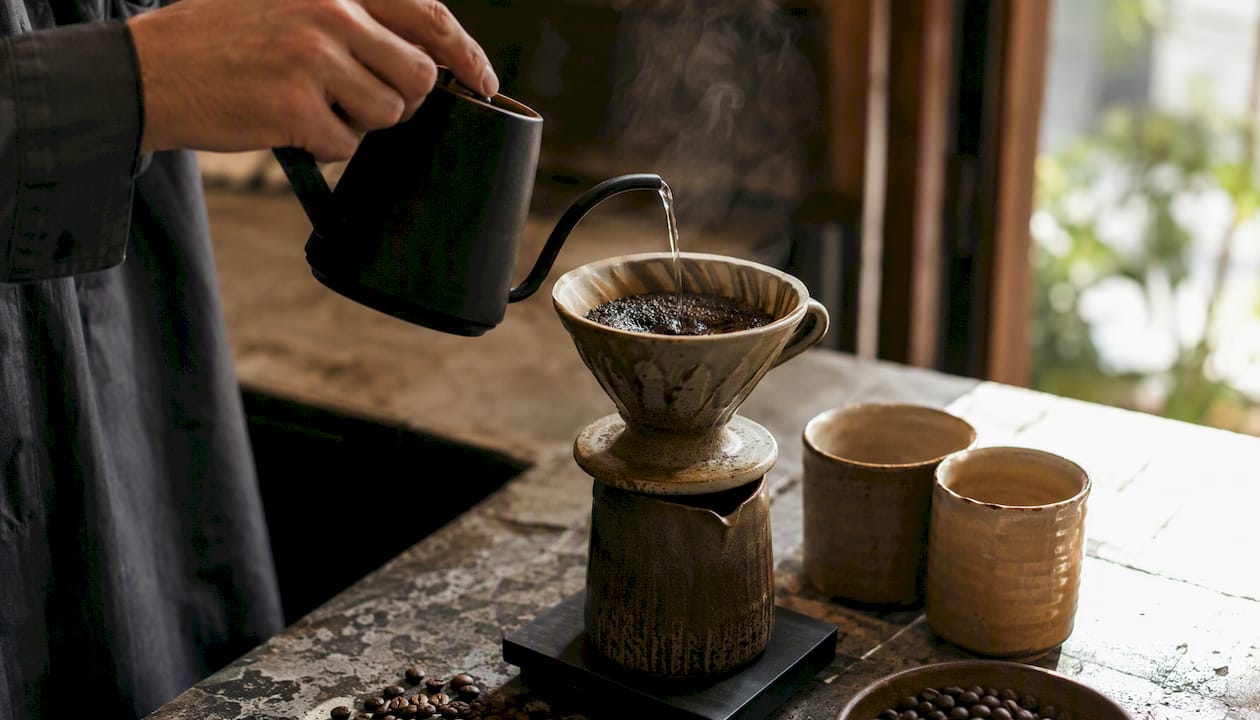
Mandheling is grown across the highlands of North Sumatra, primarily in the Tapanuli and Mandailing Natal districts at roughly 1,000–1,500 m. Nearly all commercial Mandheling is wet-hulled, which strips the parchment while the bean still holds significant moisture. The result: low acidity, a syrupy body, and the earthy, cedar, and dark-chocolate notes the style is famous for.
One important caveat: Mandheling is a broad trade label that can vary lot to lot. Lintong, grown at similar altitudes in the Lintongnihuta district, tends to be higher-altitude and cleaner in cup, with more structured cedar and herbal notes. If you want single-origin clarity from a North Sumatran wet-hull, Lintong is often the more consistent pick.
Gayo
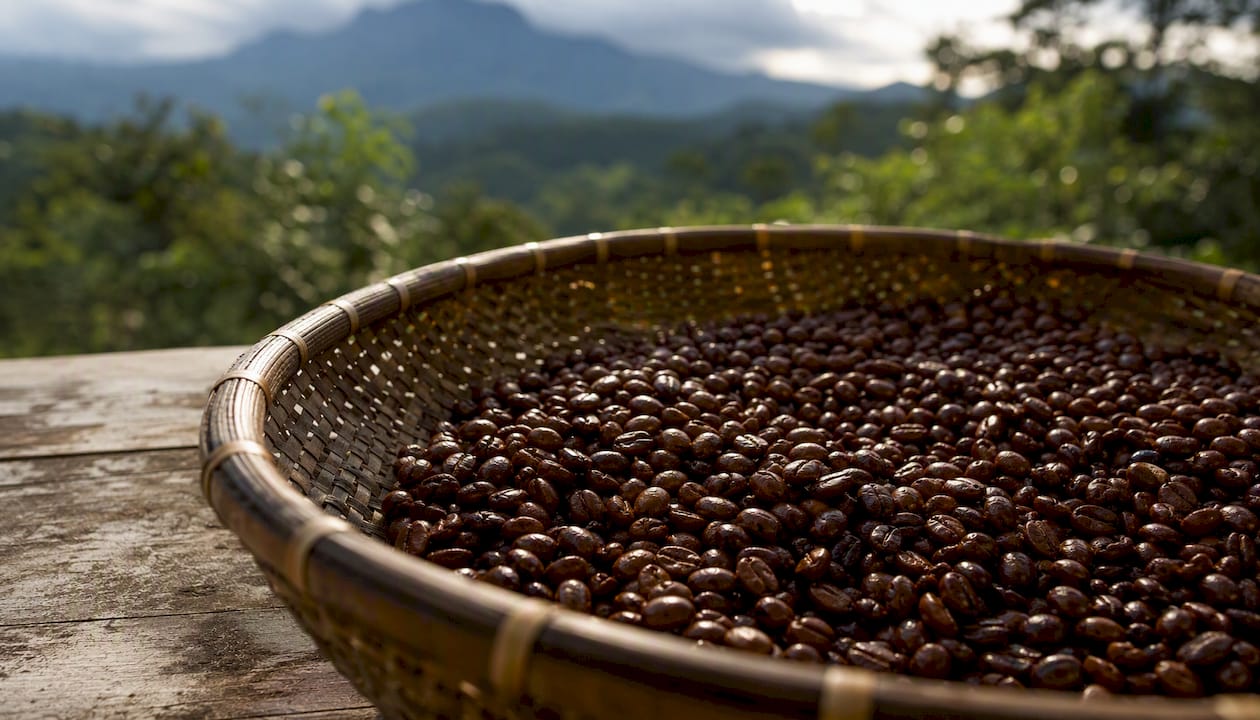
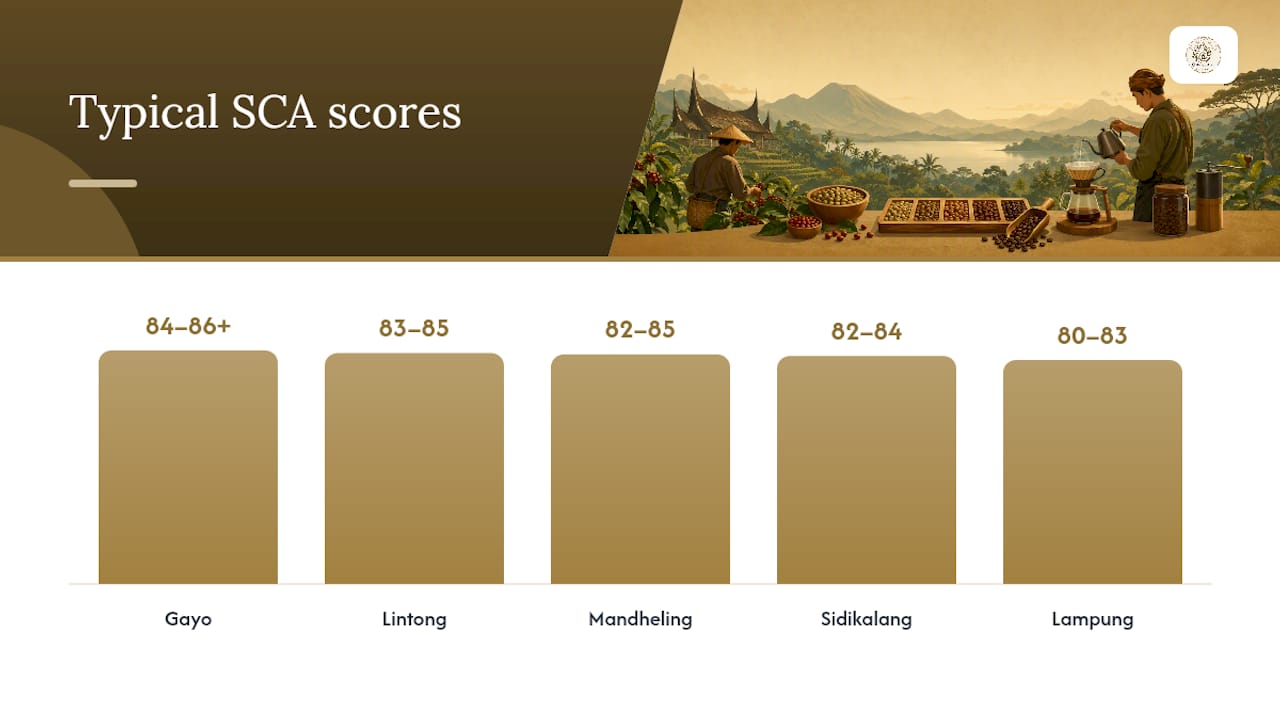
Gayo comes from the Gayo Highlands of Aceh province in northern Sumatra, grown at 1,200–1,700 m. It holds a Geographical Indication certification and is frequently certified organic and fair-trade, which gives buyers unusually strong traceability. Specialty microlots regularly score in the 84–86+ range on SCA-aligned cupping scales. A washed Putra Gayo reviewed by Coffee Review showed fruit, floral notes, and cleaner acidity while maintaining Sumatran depth — a profile that surprises buyers expecting only earthiness.
Lintong
Lintong grows at 1,200–1,500 m in the Humbang Hasundutan district. The altitude and cooler temperatures push the cup toward more structure: cedar, dark chocolate, and herbal tones with less of the heavy earthiness that dominates lower-grown Mandheling. It’s a good middle-ground option for buyers who want the body of a North Sumatran wet-hull without the most aggressive earthy notes.
Lampung
Lampung is grown in the southernmost tip of Sumatra at lower elevations (600–1,000 m), which shows in the cup: milder, more straightforward earthy-spice notes with less complexity than Gayo or Lintong. It’s the workhorse of Indonesian commercial blends and cold brew bases. Expect solid body and low acidity at a lower price point, but don’t expect the layered complexity of a Gayo microlot.
Sidikalang
Sidikalang, from the Dairi district of North Sumatra, sits at 1,000–1,400 m and produces some of the boldest, most tobacco-forward cups in the Sumatran lineup. Wet-hulled and typically roasted dark, it’s a niche pick for buyers who want maximum body and a pronounced earthy-tobacco character in espresso or French press. Less common in U.S. specialty retail than Mandheling or Gayo, but worth seeking out if you love that profile.
| Variety | Altitude range | Typical SCA-aligned score range | Primary processing |
|---|---|---|---|
| Mandheling | 1,000–1,500 m | 82–85 | Wet-hull |
| Gayo | 1,200–1,700 m | 84–86+ | Washed / wet-hull |
| Lintong | 1,200–1,500 m | 83–85 | Wet-hull |
| Lampung | 600–1,000 m | 80–83 | Wet-hull |
| Sidikalang | 1,000–1,400 m | 82–84 | Wet-hull |
For food pairing ideas that match these earthy and chocolate-forward profiles, Qahwat Al’Ard’s coffee and food pairing guide is worth a read.
What roast level and brew method suit each variety?
Roast recommendations by variety
Mandheling and Sidikalang both reward a medium-dark to dark roast. The wet-hull process already reduces acidity, and pushing the roast into the second crack range develops the chocolate and cedar notes without tipping into burnt bitterness. Lintong sits comfortably at medium-dark. Gayo is the outlier: roast it too dark and you lose the floral and fruit notes that make it worth the premium. Medium to medium-light is the sweet spot, especially for washed lots.
How to buy Sumatra beans in the U.S.
The U.S. specialty coffee market carries Sumatran beans year-round, but Gayo microlot availability tends to peak in the spring and early summer, reflecting Indonesian export patterns and seasonal harvest cycles. Commercial Mandheling and Lampung are available continuously through importers and online retailers.
What to check on the bag or product page:
- Processing method: — Wet-hull, washed, or natural — this single detail tells you more about the cup than the variety name.
Price expectations: Specialty-grade microlots (Gayo washed, Lintong single-farm) typically run $20–$32 per 12 oz in the U.S. market. Commercial Grade 1 Mandheling and Lampung sit closer to $18–$28. Anything under $12 for a “specialty Sumatra” is almost certainly a blended or lower-grade lot regardless of the label.
Storage: Store in an airtight, opaque container away from heat and light. Avoid the freezer unless you’re storing a sealed, unopened bag for longer than six weeks. Once opened, use within two to three weeks for best results.
How these selections were made
The selections and recommendations in this guide are based on a defined set of criteria applied consistently across all varieties and products reviewed.
Evaluation criteria used:
- Grade 1 preparation with declared defect count
- Stated processing method (wet-hull, washed, or natural) from the roaster or exporter
- Roast-fit alignment (variety matched to recommended roast level and brew method)
- Cupping scores or published tasting notes from the roaster
- Traceability to mill, cooperative, or farm
- Roast date recency (within four weeks preferred)
External sources consulted include Coffee Review tasting notes (Putra Gayo by JBC Coffee Roasters, Pantan Musara by Utopian Coffee), roaster sourcing guides, and USDA/GAIN export data for market context. Qahwat Al’Ard carries recommended items in its single-origin collection, and that relationship is disclosed here. The editorial recommendations are driven by the criteria above, not by inventory.
For a sense of how origin-driven reviews work across other producing countries, Qahwat Al’Ard’s Ethiopian coffee origin review applies the same framework.
Detailed reviews of standout Sumatra products
Gayo Grade 1 washed microlots (Aceh province)
Washed Gayo lots from cooperatives like Ketiara or Asman represent the clearest expression of what Sumatran specialty coffee can be when the wet-hull process is set aside. Expect stone fruit, jasmine, and a clean citrus finish at medium roast. Roasters sourcing these lots typically publish cupping scores in the 84–86 range. Price: $20–$32 per 12 oz. Best for pour-over and filter brewing.
Mandheling Grade 1 wet-hull (North Sumatra highlands)
The benchmark for classic Sumatran espresso. Heavy body, dark chocolate, cedar, and a syrupy mouthfeel that holds up beautifully under milk. Look for screen size 18+ and a declared wet-hull process. Widely available from U.S. specialty importers and roasters. Price: $18–$28 per 12 oz. Best for espresso, French press, and milk-based drinks.
Lintong wet-hull (Humbang Hasundutan district)
Lintong is the more structured sibling of Mandheling. The higher altitude and cooler growing conditions produce a cleaner cup with less aggressive earthiness, more cedar and herbal notes, and a defined finish. Lintong tends to be higher-altitude and cleaner in cup, making it a good option for single-origin clarity. Price: $20–$32 per 12 oz. Best for filter and espresso blends.
Lampung wet-hull (South Sumatra)
Lampung is the practical choice: consistent, bold, earthy-spice, and priced below most specialty microlots. It lacks the complexity of Gayo or Lintong but delivers reliable body and low acidity for cold brew and espresso blends. Price: $18–$28 per 12 oz.
Sidikalang dark roast (Dairi district)
For buyers who want maximum body and a tobacco-forward profile, Sidikalang is the most distinctive option in the Sumatran lineup. Less common in U.S. retail than Mandheling, but worth sourcing from specialty importers. Price: $18–$28 per 12 oz.
How do top Sumatra brands and microlots compare in the U.S. market?
The U.S. market for Sumatran coffee splits cleanly into two tiers. The first is commercial-grade Mandheling and Lampung, available through major grocery chains and mass-market roasters, typically sold without a roast date or declared process. The second is specialty-grade microlots, primarily Gayo washed and natural lots, sourced by independent roasters and sold direct-to-consumer with full traceability.
For buyers comparing options, the practical differences come down to three axes. Traceability: specialty microlots name the cooperative or farm; commercial lots name only the island. Process transparency: specialty roasters declare wet-hull, washed, or natural; commercial bags rarely do. Freshness: specialty roasters print roast dates; commercial bags use best-by dates that tell you nothing about when the coffee was roasted.
Qahwat Al’Ard’s approach sits firmly in the specialty tier, with single-origin listings that include origin details and processing information. For buyers who want to compare coffee origins for flavor complexity, that traceability is the starting point for any meaningful comparison.
What are customers saying about these Sumatra coffees?
Across specialty coffee communities and verified purchase reviews, a few consistent patterns emerge for each style.
Gayo washed microlots draw the most enthusiastic responses from filter coffee drinkers who weren’t expecting brightness from a Sumatran bean. The most common surprise: “I didn’t think Sumatra could taste this clean and floral.” Buyers who purchase these expecting the classic earthy profile sometimes need a roast-level adjustment (going slightly lighter than they would for Mandheling) to get the best from the cup.
Mandheling Grade 1 reviews are consistently positive from espresso and milk-drink drinkers. The recurring note: the body holds up better in lattes and cappuccinos than most single-origin options. The most common complaint is inconsistency between bags from the same brand, which tracks with the known issue of Mandheling being a broad trade label rather than a strict geographic indicator.
Lintong earns strong marks from buyers who want a wet-hull Sumatran with more structure and less earthiness. It’s frequently described as “the Mandheling for people who find Mandheling too aggressive.”
Lampung and Sidikalang attract a narrower audience: buyers who specifically want bold, dark, and earthy. Reviews from that group are loyal; reviews from buyers who stumbled in expecting something more nuanced are less so.
Key Takeaways
Sumatran coffee rewards buyers who match variety to brew method, insist on Grade 1 prep, and verify the processing method before purchasing.
| Point | Details |
|---|---|
| Match variety to brew method | Mandheling for espresso and milk drinks; Gayo for filter and single-origin clarity. |
| Insist on Grade 1 | Grade 1, indicating low defect counts per 300g, is the clearest signal of a consistent, clean Sumatran lot. |
| Verify processing method | Wet-hull, washed, or natural determines the cup profile more than the variety name alone. |
| Check roast date | Buy within four weeks of roast; six weeks is the outer limit for peak flavor. |
| Shop with traceability | Qahwat Al’Ard’s single-origin Sumatra listings include origin and processing details for confident buying. |
The case for trying both sides of Sumatra
The conventional wisdom on Sumatran coffee is that it’s earthy, heavy, and best suited to dark roast. That framing is accurate for wet-hulled Mandheling at a dark roast. But it’s a poor description of a washed Gayo at medium roast, which can taste closer to a bright Ethiopian Yirgacheffe than anything you’d expect from the same island.
The more useful frame is this: Sumatra produces two genuinely different coffee experiences depending on processing. Wet-hulled lots are about body, stability, and depth. Washed and natural lots are about clarity, fruit, and aromatic complexity. Both are worth your time, and the buyers who get the most out of Sumatran coffee are the ones who try them side by side rather than committing to one profile.
A specific experiment worth running: pull a Grade 1 Mandheling at medium-dark roast through a French press alongside a washed Gayo microlot at medium roast through a pour-over. The contrast is more dramatic than most single-origin comparisons across different countries. The Mandheling will coat the palate with chocolate and cedar. The Gayo will surprise you with stone fruit and a clean finish. Neither is better. They’re solving different problems.
The mistake most buyers make is buying Sumatran coffee based on the country name and then being confused when the cup doesn’t match their expectations. The processing method is the variable that matters most. Read the bag. If it doesn’t tell you the process, find a roaster who will.
Qahwat Al’Ard carries the Sumatra styles this guide recommends
If the profiles above match what you’re looking for, Qahwat Al’Ard offers a direct path to purchase without the guesswork of sorting through unlabeled commercial lots. The single-origin collection includes Sumatra offerings with origin and processing details listed on the product page, which is exactly the traceability standard this guide recommends.
For buyers who want the bold, body-forward Sumatran profile in a blend format, the Max Caf Blend is built for espresso and milk drinks. If you prefer a portioned, no-fuss format, the 12 Pack Single Serve Coffee Capsules offer a convenient entry point. For something completely different, the Peach Paradise flavored option suits readers drawn to fruit-forward profiles, and the English Breakfast tea is available for those who want a non-coffee alternative from the same store. Sample packs are worth considering if you want to compare roast levels or origins before committing to a full bag.
Browse the Sumatra product page to check current availability and roast details.
FAQ
What is the best Sumatra coffee bean for most buyers?
For espresso and milk drinks, a Grade 1 Mandheling wet-hull at medium-dark to dark roast is the most reliable choice. For filter and single-origin brewing, a Grade 1 Gayo washed microlot delivers more clarity and complexity.
Are Sumatra coffee beans good for specialty coffee?
Yes, particularly Gayo microlots, which regularly score in the 84–86+ range on SCA-aligned cupping scales and carry GI and organic certifications that support traceability and quality consistency.
Which Sumatra coffee beans are the highest quality?
Washed and natural Gayo microlots from Aceh province consistently rank highest for specialty buyers, followed by single-farm Lintong lots. Grade 1 prep and a declared processing method are the two non-negotiable quality signals.
Is a dark-roast Sumatra or a medium-roast Sumatra better?
It depends on the variety and brew method. Mandheling and Sidikalang reward dark roasting, which develops their chocolate and cedar notes. Gayo loses its floral and fruit character at dark roast; medium to medium-light is the better choice for that variety.


