


Volcanic soil produces premium coffee because it hands the plant a rare combination: minerals like phosphorus, potassium, and magnesium in forms roots can actually use, plus a physical structure that holds water without suffocating those roots. The coffee plant converts that steady mineral supply into the organic acids, sugars, and aroma precursors that show up in your cup as brightness, sweetness, and clarity.
Three mechanisms drive the effect:
-
Mineral chemistry. Phosphorus and potassium feed acid and sugar development; magnesium drives the photosynthesis that builds those sugars in the first place.
-
Soil physics. Volcanic Andisols are unusually porous yet water-retentive, so roots get oxygen and moisture at the same time instead of choosing between them.
-
Flavor payoff. The result is often a coffee with pronounced acidity, concentrated sweetness, and a clean, long finish, rather than a muddy or flat cup.
None of this happens in isolation. Andisols paired with the right elevation band create a multiplier effect on flavor that neither factor produces alone, which is why the best-known volcanic origins also tend to sit high on a mountainside.
Key Takeaways
Volcanic soil produces premium coffee by combining mineral-rich, porous Andisols with high altitude to build denser beans with concentrated acids and sugars.
| Point | Details |
|---|---|
| Mineral chemistry drives flavor | Phosphorus, potassium, and magnesium in volcanic soil directly support acid and sugar development in the cherry. |
| Andisols solve the porosity paradox | Noncrystalline colloids like allophane let volcanic soil drain well and retain water at the same time. |
| Altitude multiplies the soil effect | Elevations around 1,000 to 2,000 meters slow ripening, concentrating flavor compounds soil chemistry helped build. |
| Phosphorus fixation is a real risk | Growers manage volcanic soil’s tendency to lock up phosphorus with organic inputs and targeted amendments. |
| Traceable origin data confirms the terroir | Qahwat Al’ard’s Bali Coffee Pods, Bali Blue, and Peru Coffee Pods link flavor claims to specific volcanic growing regions. |
Table of Contents
-
Why Volcanic Soil Produces Premium Coffee: The Science Behind Andisols
-
How Soil Nutrients Shape Coffee Bean Biochemistry and Flavor
Why Volcanic Soil Produces Premium Coffee: The Science Behind Andisols
Volcanic soil, in agronomic terms, is usually an Andisol. It forms when volcanic ejecta, ash, pumice, and fragments of lava rock, break down through weathering and chemical reactions with rainwater and organic matter. That breakdown produces noncrystalline minerals called allophane and imogolite, along with high levels of organic carbon, according to a peer-reviewed scientific review of soils formed in volcanic deposits. These noncrystalline colloids are what set Andisols apart from ordinary clay-based soils; they behave more like a sponge with a nutrient charge than like the sticky, dense clay most gardeners picture.
The geological inputs matter here:
-
Volcanic ash and fine tephra, the material that falls fastest and weathers quickest
-
Pumice and larger ejecta fragments, which break down more slowly and add structure
-
Lava fragments, which contribute additional trace minerals as they erode
Because Andisols form from relatively young geological material, they tend to be mineral-rich and high in organic matter compared to soils that have weathered for tens of thousands of years. The U.S. Geological Survey notes that volcanic materials weather into some of the most agriculturally productive soils on Earth, which is exactly why farmers have built entire livelihoods on volcanic slopes for centuries despite the obvious risks living nearby a volcano carries.
What Makes Volcanic Soil Chemistry Ideal for Coffee Plants
The nutrient profile of Andisols reads like a checklist for coffee cultivation. Phosphorus supports flowering and root development. Potassium drives sugar transport and helps regulate the plant’s water balance. Magnesium sits at the center of the chlorophyll molecule, so it directly shapes photosynthetic output. Calcium strengthens cell walls in the cherry. Iron and sulfur, along with trace metals, support enzyme functions that keep the whole system running. Volcanic deposits are especially enriched in magnesium and potassium, and weathering releases these steadily rather than in one overwhelming burst, according to British Geological Survey research on volcanic soil fertility.
Here’s the part that surprises people who assume porous automatically means “drains too fast to be useful”: Andisols manage to be both. Their noncrystalline colloids, the same allophane and imogolite from the weathering process, create a soil structure with high porosity and strong water retention at once. Roots get oxygen because water doesn’t pool, but they also get sustained moisture because the colloidal fraction holds onto it. That combination keeps nutrient uptake steady through a growing season instead of feast-or-famine.
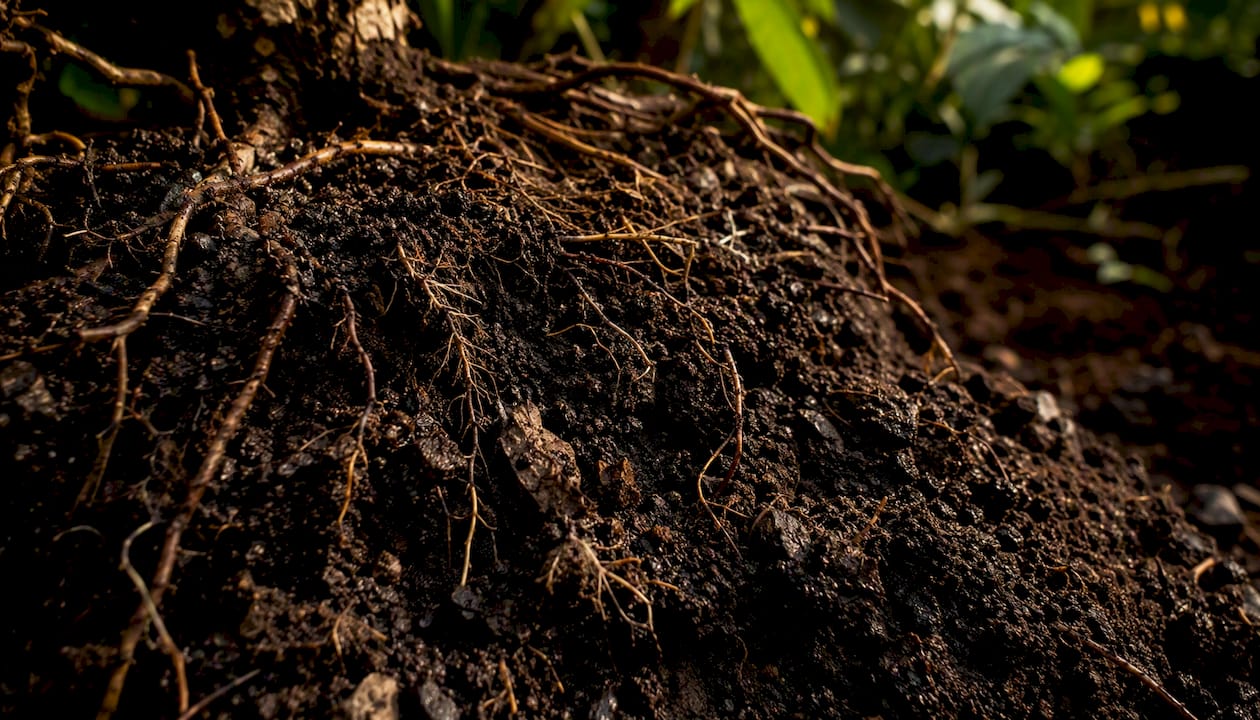
It isn’t a free lunch, though. Andisols are notorious among agronomists for phosphorus fixation, a chemical process where the same allophane that retains water also locks up phosphorus in forms plants struggle to access. Aluminum toxicity can show up in more acidic, older volcanic soils too. And a soil’s productivity shifts as it ages: younger, ash-rich Andisols behave differently than older, more weathered ones on the same mountain.
Pro Tip: If a coffee’s origin card mentions Andisols, recent ash deposits, or specific minerals like allophane, that’s the roaster telling you something real about the soil, not just adding flavor language. It’s worth treating as a signal, not decoration.
How Soil Nutrients Shape Coffee Bean Biochemistry and Flavor
The chain from dirt to cup runs through four stages, and skipping any one of them breaks the logic.
First, nutrient availability. A coffee plant rooted in phosphorus, potassium, and magnesium rich soil has the raw materials for metabolic work that a nutrient-poor plant simply lacks.
Second, photosynthesis and sugar synthesis. Magnesium’s role at the core of chlorophyll means better magnesium access translates into more efficient sugar production throughout the plant, sugar that eventually accumulates in the cherry.
Third, organic acid formation. According to research connecting volcanic soil chemistry to coffee acidity, potassium and phosphorus specifically support the buildup of citric acid and other organic acids that give specialty coffee its structured brightness rather than a flat, dull taste.
Fourth, concentration during ripening. When the earlier three stages are running well, and ripening happens slowly, those sugars and acids concentrate in the bean instead of getting diluted by rushed development.
A few concrete links worth remembering:
-
Potassium levels correlate with sugar transport and citric acid content in the cherry.
-
Phosphorus supports flowering success and acts as a precursor for organic acid pathways.
-
Magnesium availability drives photosynthetic efficiency, which feeds directly into sugar accumulation.
-
Soil drainage and root oxygenation affect bean density, which in turn affects how aroma compounds develop during roasting.
None of this operates alone. Genetics (the coffee variety itself), altitude, and post-harvest processing all shape the final cup just as much as soil does. Soil is necessary, but treating it as sufficient on its own oversells the story.
Why Altitude and Volcanic Terroir Work Together
Soil chemistry gets amplified once you add elevation into the equation. At higher altitude, cooler temperatures slow down cherry ripening, which gives the plant more time to build sugars and organic acids before harvest instead of rushing the process. Slower ripening tends to produce denser beans with more complex acidity, an effect documented in reporting on Guatemala’s volcanic coffee regions.
That’s part of why so many premium volcanic coffee regions sit in the same rough elevation band, generally somewhere between 1,000 and 2,000 meters above sea level, the zone where Arabica performs best. At that altitude, the nutrient availability from Andisols and the slower ripening from cooler air work in the same direction rather than against each other. You can read more about altitude’s role in coffee flavor if you want the deeper mechanics of how elevation changes cup character on its own.
Guatemala’s Antigua region is a useful mental reference point: volcanic soil, high elevation, and a specific microclimate combine there to produce the balanced, bright acidity the region is known for. Bali’s Kintamani highlands, ringed by active volcanoes, offer a similar case at a different altitude and with a distinctly different flavor signature, which tells you soil alone doesn’t dictate the outcome; it sets the stage that altitude and microclimate then perform on.
How Growers Manage Volcanic Soil for Better Coffee Quality
Farming on a volcano isn’t a passive arrangement. Growers actively manage these soils to capture the benefits while limiting the risks, and the techniques matter for anyone curious about what “responsibly farmed” actually looks like on a volcanic slope.
-
Contour planting and terracing slow water runoff on steep volcanic terrain, which helps prevent erosion of the nutrient-rich topsoil.
-
Organic matter inputs, compost, mulch, shade tree litter, supplement the soil and help counteract phosphorus fixation over time.
-
Targeted phosphorus management through split applications or organic amendments addresses the fixation issue directly rather than just adding more fertilizer and hoping some gets through.
-
Periodic monitoring of soil age and composition helps growers adjust practices as a plot’s Andisol shifts from young and ash-rich to more weathered over years or decades.
The eruption question cuts both ways. A large eruption can destroy a harvest and a farm in hours. But frequent, low-magnitude ash deposits act more like a slow-release fertilizer, according to Perfect Daily Grind’s reporting on volcanic coffee farming, replenishing nutrients that would otherwise deplete over successive harvests. Research from Kamchatka and Indonesia backs this up at a broader scale, showing tephra can function as a genuine multi-nutrient fertilizer for agricultural soils, replenishing trace metals that soil microbes need to keep nutrient cycling running.
-
Processing choices interact with all of this. Washed processing tends to showcase the clean acidity that volcanic soil helps build, since fermentation strips away fruit sugars and lets the underlying acid structure show through.
-
Natural or anaerobic processing can layer fruit-forward sweetness on top of that acidity, sometimes masking the more mineral, structured notes that soil-focused tasters look for.
For traceability-minded buyers, farm notes that mention specific elevation, named volcanoes, or soil management practices are usually a sign the grower is paying attention to these variables rather than treating soil as an afterthought. Learn more about how soil composition shapes overall flavor if you want the broader picture beyond volcanic origins specifically.
Notable Volcanic Coffee Regions Worth Trying
A handful of origins make the science tangible:
-
Guatemala, Antigua: volcanic soil around three surrounding volcanoes produces balanced, bright acidity with a light smoky undertone.
-
Indonesia, Bali (Kintamani): high-altitude volcanic slopes yield coffee with lemony acidity and floral aromatics.
-
Ethiopia, Yirgacheffe: volcanic-influenced highland soil combined with extreme elevation produces intense floral sweetness.
-
Peru, various highland regions: volcanic and mineral-rich soils at altitude give a smoother, well-rounded cup with moderate acidity.
When you’re reading a bag or a product page, a few label cues suggest genuine volcanic terroir rather than marketing language borrowed for effect: a named volcano or mountain range, mentions of “andesitic” or “ash” soil, a specific elevation figure, and farm-level traceability rather than a vague country-of-origin claim. Qahwat Al’ard’s Bali Coffee Pods, Bali Blue, and Peru Coffee Pods are worth using as practical tasting references if you want to compare volcanic origins side by side rather than take the theory on faith.
What Coffee Experts Say About Volcanic Terroir and Flavor
Industry voices are consistent on one point: soil is one ingredient in terroir, not the whole recipe. Altitude, microclimate, and farming history all combine with volcanic mineral content to create a coffee’s signature profile, a point emphasized in coverage of Guatemala’s volcanic coffee industry.
Quality-focused roasters and Q-graders often describe volcanic coffees as having a “minerality” or phosphate-like acidity, a structural sensation in the cup rather than a single identifiable flavor note you could point to and name.
If you’re tasting with intent, three things are worth paying attention to:
-
Acidity character: is it bright and citric, or flat and one-dimensional?
-
Bean density: denser beans, often a sign of slow high-altitude ripening, tend to hold their structure through the roast.
-
Cup clarity: a clean, minerally finish without murkiness usually points to well-managed soil and careful processing working together.
Behind every cup like this sits real risk. Farmers who work volcanic slopes are gambling on soil that can destroy their harvest overnight, and that trade-off deserves recognition alongside the flavor payoff.
A Note From Qahwat Al’Ard
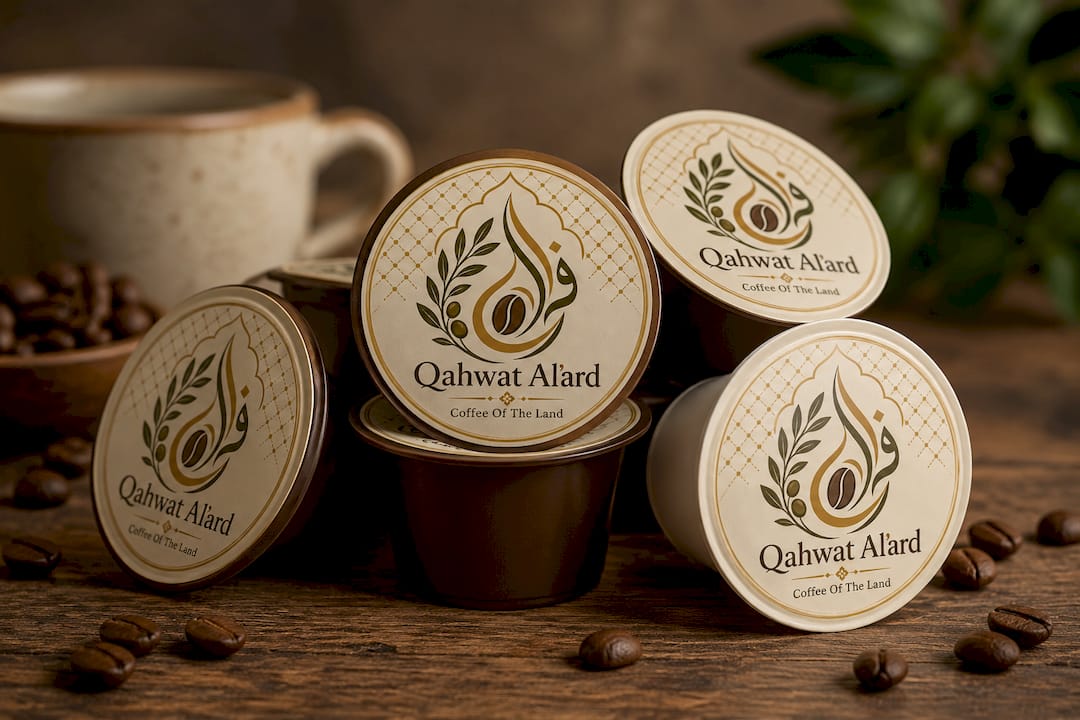
Qahwat Al’ard built its catalog around traceability because soil science like this only matters if you can trust where a bean actually came from. If this deep dive into volcanic terroir has you curious to taste the difference, Bali Coffee Pods, Bali Blue, and Peru Coffee Pods are a good place to start.
Why Traceable Volcanic-Origin Coffee Is Worth Seeking Out
Most grocery-store coffee gives you a country name and nothing else, which makes it nearly impossible to connect what you’re tasting to why it tastes that way. Qahwat Al’ard takes the opposite approach: every single-origin listing is tied to a specific growing region, so the science in this article isn’t abstract when you’re shopping, it’s the difference between a bag labeled “Indonesia” and one that tells you it comes from Kintamani’s volcanic highlands.
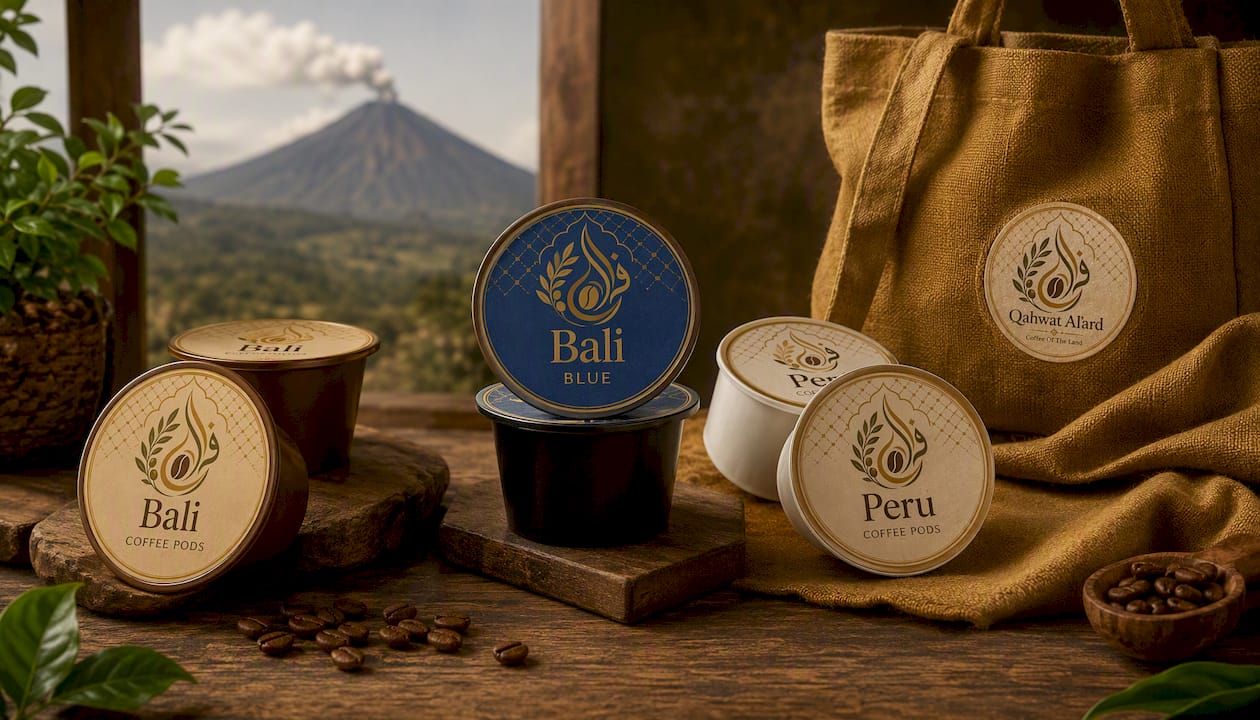
That specificity matters most for coffee grown in volcanic regions, where soil, elevation, and microclimate interact in ways that are genuinely traceable back to a named farm or highland zone. If you want to taste that interaction directly rather than read about it, start with Bali Coffee Pods or the Bali Blue single-origin for a Kintamani reference point, or try Peru Coffee Pods if you’d rather compare a South American volcanic-adjacent profile against the Indonesian examples covered above. Every listing includes origin details so you can connect what’s in your cup to the soil, altitude, and farm it came from.
Sources
-
What are some benefits of volcanic eruptions? | U.S. Geological Survey
-
Scientific review of properties and productivity of soils formed in volcanic deposits
-
Why do some producers grow coffee near active volcanoes? - Perfect Daily Grind
-
The Geochemist’s Guide: How volcanic soil forges coffee acidity
FAQ
Which Soil Is Best for Growing Coffee?
Volcanic soil, specifically Andisols, is generally considered ideal for coffee because it combines high mineral content (phosphorus, potassium, magnesium) with the porosity and water retention coffee roots need.
What Grows Best in Volcanic Soil?
Coffee, along with crops like tea, sugarcane, and rice, thrives in volcanic soil because these plants respond strongly to the high mineral content and reliable drainage volcanic Andisols provide.
What Type of Soil Is Best for a Coffee Plant?
Coffee plants perform best in well-draining, slightly acidic soil rich in organic matter and minerals like potassium and phosphorus, conditions Andisols meet more consistently than most other soil types.
Does Volcanic Soil Always Mean Better Coffee?
Not on its own. Volcanic soil needs the right altitude, microclimate, and farming practices to translate its mineral advantages into a genuinely premium cup.
How Can I Tell if a Coffee Is Grown in Volcanic Soil?
Look for origin labels mentioning a named volcano, terms like “Andisol” or “ash-rich soil,” and specific elevation data. Qahwat Al’ard’s Bali Coffee Pods and Bali Blue list this kind of traceable regional detail directly on the product page.


