


TL;DR:
- A coffee origin gift guide emphasizes provenance and cultural stories behind each coffee. It helps gift buyers select personalized, meaningful presents linked to specific farms, regions, or traditions. Such gifts deepen appreciation for coffee’s diverse flavors and cultural heritage.
A coffee origin gift guide is a curated resource that helps shoppers choose coffee-related gifts reflecting the authentic cultural and regional roots of specialty coffee. Unlike generic gift lists, this approach connects every present to a specific farm, cooperative, or growing region, giving the recipient a story alongside their cup. The specialty coffee world calls this focus on provenance and place “terroir,” a concept borrowed from wine that explains why an Ethiopian Yirgacheffe tastes nothing like a Colombian Huila. Qahwatalard built its entire catalog around this idea, sourcing single-origin beans that carry traceable heritage from field to bag.
What is a coffee origin gift guide and why does it matter?
A coffee origin gift guide goes beyond listing products. It frames each gift as a window into a specific place, people, and process. Coffee gifts that highlight provenance transform a drink into cultural and geographic exploration, opening conversations about the farms and cooperatives behind every bag.
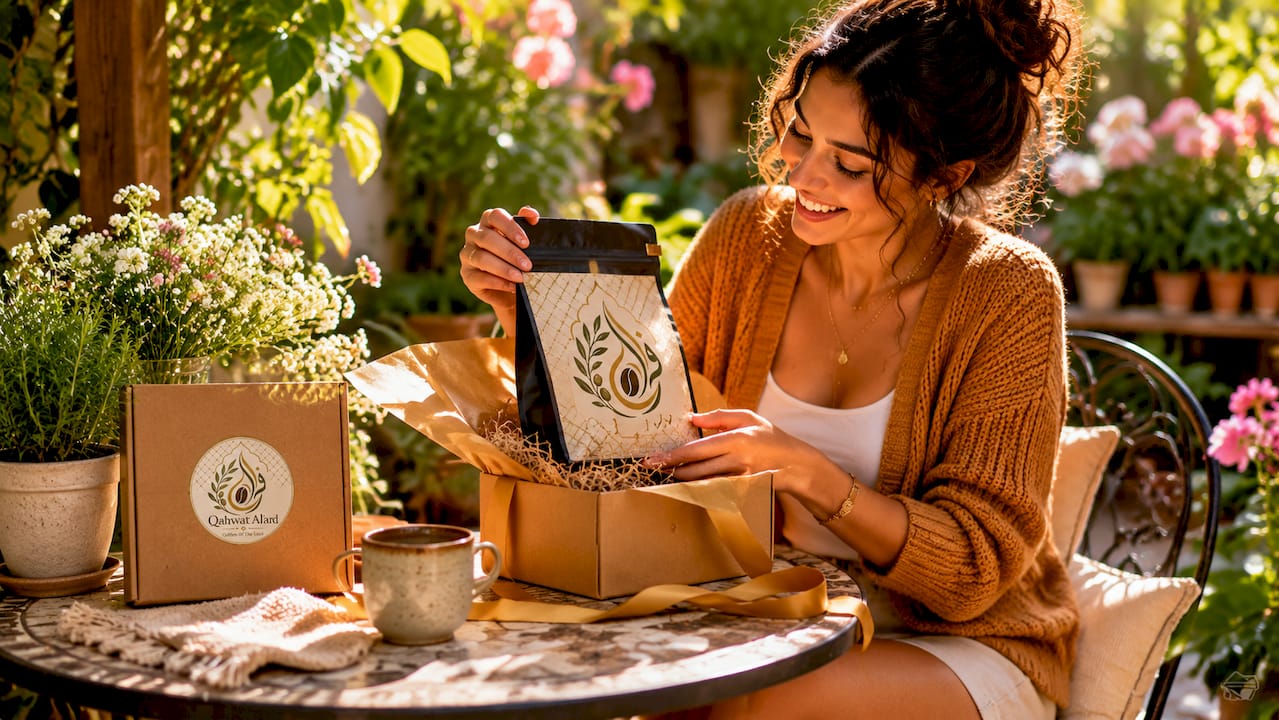
Terroir is the core concept here. Terroir involves the unique geography, altitude, and processing that define a bean’s character. A gift that discloses these details, such as the elevation of a Guatemalan farm or the natural processing of an Ethiopian lot, signals genuine thoughtfulness rather than a last-minute purchase.
Origin also shapes flavor in ways that make the gift itself more interesting to use. Beans from high-altitude East African farms tend toward bright, fruit-forward profiles. Central American beans from volcanic soil often deliver chocolate and nutty notes. Knowing this lets you match a gift to what the recipient already loves.
| Generic coffee gift | Origin-focused coffee gift |
|---|---|
| Grocery-store ground coffee | Single-origin whole beans with farm name and altitude |
| Unbranded mug | Mug paired with beans from the region it depicts |
| Flavored syrup set | Curated sampler from three distinct growing countries |
| Instant coffee with no sourcing info | Traceable instant coffee with cooperative details |
| Gift card with no context | Gift card plus a printed origin card explaining the selection |
Pro Tip: When reading a bag, look for three details: the country, the specific region or farm, and the processing method. A bag that lists all three is worth gifting. A bag that lists only the country is not.
What are the best types of coffee origin gifts for enthusiasts and novices?
The strongest origin-based gifts fall into four categories, each suited to a different recipient and budget.
- Single-origin whole beans. These are the clearest expression of terroir. Look for bags from specialty roasters that print the farm name, altitude, and harvest season. Specialty roasters print roast dates on every bag, and a roast date within the past two to four weeks is non-negotiable for a quality gift.
- Sampler or discovery boxes. A set of three to five single-origin coffees from different countries lets the recipient taste how geography shapes flavor. This format works well for novices who are still building their palate.
- Origin-themed brewing equipment. A traditional Ethiopian jebena clay pot, a Japanese Hario V60, or a classic Turkish cezve connects the recipient to the brewing culture of a specific region. These gifts work best when paired with beans from the same origin.
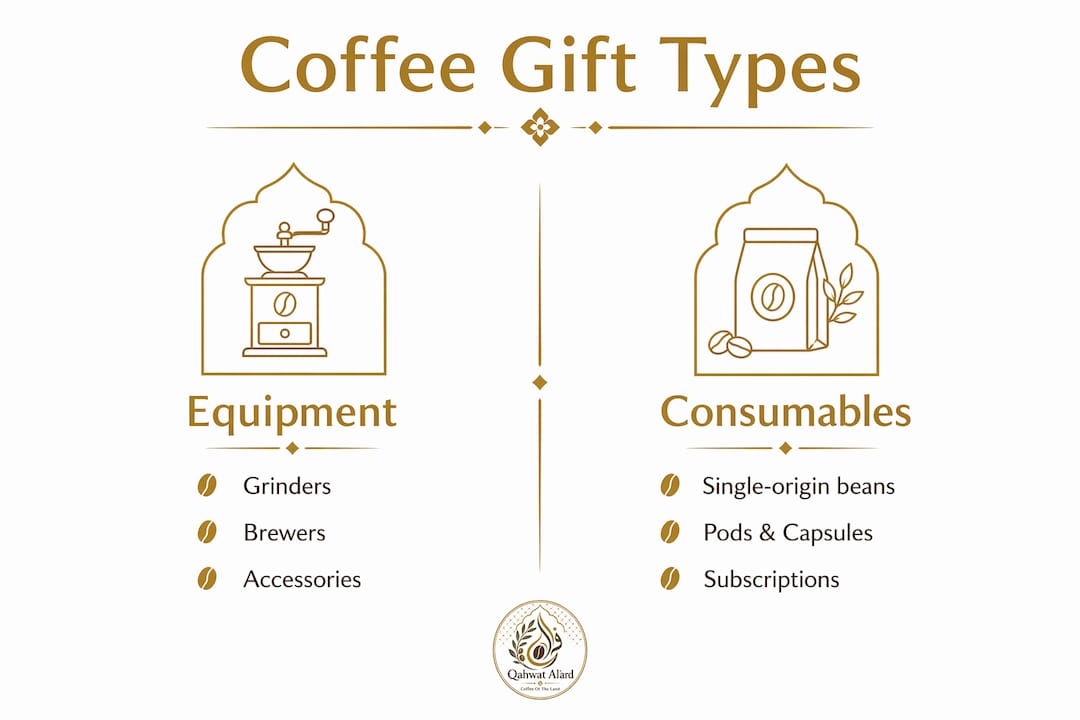
- Curated coffee subscriptions. Consumable gifts like single-origin beans or curated subscriptions avoid clutter and deliver an evolving experience over months. Services like Podium Coffee send a single monthly bag of top-awarded coffees from prestigious roasters, making them ideal for connoisseurs.
- Brewing accessories with cultural context. An AeroPress is versatile, portable, and highly regarded, making it a strong companion gift alongside origin-specific beans. It works at home, in the office, or while traveling.
Pro Tip: When in doubt between equipment and consumables, choose consumables. A recipient who already owns a grinder does not need another one. Fresh, traceable beans from a region they have never tried will always land well.
How to select and personalize coffee origin gifts based on the recipient
Personalization is what separates a thoughtful gift from a forgettable one. Gifts should align with the recipient’s workflow preferences. If they brew with a French press every morning, gifting a pour-over kit disrupts a ritual they already love.
Follow these steps to match a gift to the person receiving it:
- Identify their current brewing method. Espresso drinkers want finely roasted, dense beans. Pour-over fans appreciate light to medium roasts with clear fruit or floral notes. French press users often enjoy full-bodied, low-acidity beans from Brazil or Sumatra.
- Match the origin to their flavor preferences. Ask what they order at a coffee shop. Chocolate and caramel notes point toward Latin American origins. Bright, citrusy flavors suggest East African beans. Earthy, syrupy profiles often come from Indonesian islands like Bali or Sumatra.
- Add educational context to the packaging. A printed card explaining the farm’s altitude, the cooperative’s story, or the processing method turns a bag of beans into an experience. Cultural context adds depth and meaning to gifts that would otherwise feel like kitchen supplies.
- Consider a subscription for ongoing discovery. A three-month subscription from a specialty roaster gives the recipient a new origin every month. This format works especially well for enthusiasts who already own all the gear they need.
- Pair beans with a culturally matched accessory. Ethiopian beans pair naturally with a jebena or a simple clay cup. Japanese single-origin light roasts pair with a Hario V60 or Chemex. This pairing signals that you understand the culture behind the coffee, not just the product.
Comparing coffee origins for flavor complexity is a useful step before finalizing any gift. Understanding the flavor differences between a Kenyan AA and a Peruvian washed bean helps you choose with confidence.
What are the unique cultural coffee rituals that inspire meaningful gift ideas?
Coffee culture blends history, rituals, and economics worldwide. Small, culturally contextualized items gain meaning that no generic kitchen tool can replicate. Three traditions stand out as particularly rich sources of gift inspiration.
| Ritual | Origin | Duration | Gift tie-in |
|---|---|---|---|
| Ethiopian Buna Tirttu | Ethiopia | 1–2 hours | Jebena clay pot, green beans for home roasting |
| Japanese pour-over ceremony | Japan | 10–15 minutes | Hario V60, gooseneck kettle, light-roast single-origin beans |
| Middle Eastern coffee ceremony | Saudi Arabia, Yemen, UAE | 30–60 minutes | Dallah brass pot, cardamom-spiced coffee, small handle-less cups |
| Turkish coffee tradition | Turkey | 15–20 minutes | Cezve, finely ground dark roast, decorative cups |
The Ethiopian Buna Tirttu is the most immersive of these traditions. It is recognized by UNESCO as intangible cultural heritage. Gifting a jebena alongside Ethiopian single-origin beans gives the recipient the tools to recreate a ceremony that has been practiced for centuries.
The Japanese pour-over tradition values precision and patience. A Hario V60 paired with a light-roast Ethiopian or Kenyan bean is a gift that honors both the Japanese approach to craft and the African origin of the coffee itself.
Middle Eastern coffee culture centers on hospitality. A traditional dallah brass pot with a bag of lightly roasted, cardamom-spiced coffee is a gift that carries centuries of meaning. For shoppers interested in this tradition, Qahwatalard’s African Espresso offers a bold, origin-specific starting point.
Beyond vessels and beans, consider these culturally grounded gift additions:
- A printed guide to the Buna ceremony for recipients curious about Ethiopian coffee culture
- A small bag of green, unroasted beans for anyone who wants to try home roasting
- A set of handle-less ceramic cups that mirror the serving style of Middle Eastern coffee traditions
- Coffee-themed apparel that reflects a specific origin, as explored in Qahwatalard’s coffee apparel gift guide
Key Takeaways
A coffee origin gift guide works because it connects every gift to a specific place, story, and cultural tradition, making the present far more memorable than any generic product.
| Point | Details |
|---|---|
| Terroir defines gift quality | Look for bags listing farm name, altitude, and processing method. |
| Consumables beat equipment | Fresh single-origin beans avoid clutter and suit any skill level. |
| Cultural pairing adds depth | Match brewing vessels to the coffee’s country of origin for richer meaning. |
| Roast date is non-negotiable | Only gift beans roasted within the past two to four weeks. |
| Personalization requires research | Match origin flavor profiles to the recipient’s existing brewing habits. |
Why origin-focused gifts changed how I think about coffee entirely
The first time I gave someone a bag of coffee with a full origin story printed on the card, the reaction surprised me. They did not just say thank you. They asked questions. Where is Yirgacheffe? What does natural processing mean? That conversation lasted longer than most gifts I have ever given.
Generic coffee gifts communicate effort but not thought. An origin-focused gift communicates that you understand the recipient’s relationship with coffee well enough to choose something specific. That specificity is what makes it land.
The mistake I see most often is prioritizing gear over beans. A beautiful grinder is impressive on a shelf. But a bag of traceable, freshly roasted Kenyan AA from a cooperative you can look up online? That is a gift that teaches something. Origin transparency and sustainability are increasingly what specialty coffee consumers actually want, and the best gifts reflect that shift.
My honest advice: spend less on the packaging and more on the provenance. A simple kraft bag from a roaster who names the farm, the harvest year, and the processing method will outperform an expensive gift box of anonymous blends every single time. Coffee’s global heritage is genuinely fascinating. The best gift you can give is a reason to explore it.
— Anthony-Yasin
Qahwatalard’s origin-focused gifts worth exploring
Qahwatalard sources directly from renowned growing regions, with full traceability from farm to bag. Every product in the single-origin collection includes origin details, making it easy to choose a gift that tells a real story.
For shoppers who want variety without commitment, the Bali and Peru coffee pods offer distinct regional profiles in a convenient format. The Bali Coffee Pods capture the earthy, full-bodied character of Indonesian island coffee. The Peru Coffee Pods deliver a clean, balanced cup from high-altitude Andean farms. Both ship fresh and arrive ready to gift, with origin information included on every pack.
FAQ
What is a coffee origin gift guide?
A coffee origin gift guide is a curated resource that helps shoppers choose coffee gifts tied to specific growing regions, farms, or cultural traditions. It prioritizes provenance, terroir, and story over generic product selection.
Why does coffee origin matter when choosing a gift?
Coffee origin shapes flavor, quality, and cultural meaning. Gifts that name the farm, altitude, and processing method show genuine knowledge and care, which makes them far more memorable.
Are consumable coffee gifts better than equipment gifts?
Consumable gifts like single-origin beans or subscriptions are generally safer choices. They avoid duplication, stay fresh, and give the recipient a new experience without adding permanent clutter to their kitchen.
How do I read a specialty coffee bag to evaluate a gift?
Look for three details: the country of origin, the specific region or farm name, and the processing method. A roast date within the past two to four weeks confirms freshness, which is the single most important quality indicator.
What cultural coffee traditions make the best gift inspiration?
The Ethiopian Buna Tirttu ceremony, the Japanese pour-over tradition, and Middle Eastern coffee rituals each pair naturally with specific vessels and bean origins. Gifting a brewing tool alongside beans from the same culture creates a complete, meaningful experience.


