
TL;DR:
- Gourmet coffee apparel culture expresses specialty coffee identity through clothing that signals community, values, and lifestyle. It functions as cultural capital, creating social status signals and strengthening brand loyalty in the coffee community. High-quality, sustainable garments with specific motifs and design details emphasize authenticity, craft, and ethical sourcing.
Gourmet coffee apparel culture is defined as the practice of expressing specialty coffee identity through thoughtfully designed garments, textiles, and accessories that signal community belonging, craft values, and lifestyle status. This is the recognized intersection of third-wave coffee culture and wearable identity, and it goes far beyond a logo on a tote bag. Coffee lovers who care about single-origin beans, ethical sourcing, and artisan brewing methods carry those same values into what they wear. Brands like Qahwatalard have recognized this shift, building apparel lines that reflect the aesthetics and ethics of the gourmet coffee lifestyle. The result is a distinct subculture where coffee culture apparel functions as cultural capital, not just merchandise.
What is gourmet coffee apparel culture explained through identity and status?
Specialty coffee apparel acts as a status signal in urban professional circles, distinguishing consumers connected to third-wave coffee culture from mainstream coffee drinkers. That distinction matters because third-wave coffee culture is built on knowledge, taste, and values. Wearing the right piece communicates all three without saying a word.
The parallel to coffee ordering is direct. Specialty coffee culture uses apparel as cultural capital, similar to precise coffee ordering rituals that signal education, urban lifestyle, and craft commitment. A pour-over enthusiast who orders a single-origin Ethiopian natural process and wears a minimalist roaster tee is sending the same message through two different channels.
Coffee shops are increasingly using apparel as badges of honor that distinguish support for local, artisan roasters over corporate chains. This is not accidental. Limited-edition drops and local roaster collaborations create scarcity, which amplifies the status signal. Owning a piece from a small-batch capsule collection carries more social weight in specialty coffee circles than any mass-market branded item.
The distinction between mass-market and specialty coffee apparel preferences is sharp. Coffee lovers who prioritize ethical sourcing and traceability in their cup apply the same filter to their wardrobe. They favor garments made with eco-friendly fibers, natural dyes, and certified organic standards over fast-fashion alternatives.
- Limited-edition drops create scarcity and exclusivity, raising the perceived value of the piece.
- Local roaster collaborations signal community loyalty and insider knowledge.
- Minimalist design language communicates sophistication over novelty.
- Sustainable materials align the garment with the ethical values of specialty coffee culture.
- Artisanal typography and coffee-origin motifs connect the wearer to specific growing regions and craft traditions.
Pro Tip: If you want to signal genuine specialty coffee credibility, choose apparel from roasters or brands with transparent sourcing stories. The garment’s origin story matters as much as the design.
What materials, designs, and techniques define gourmet coffee apparel?
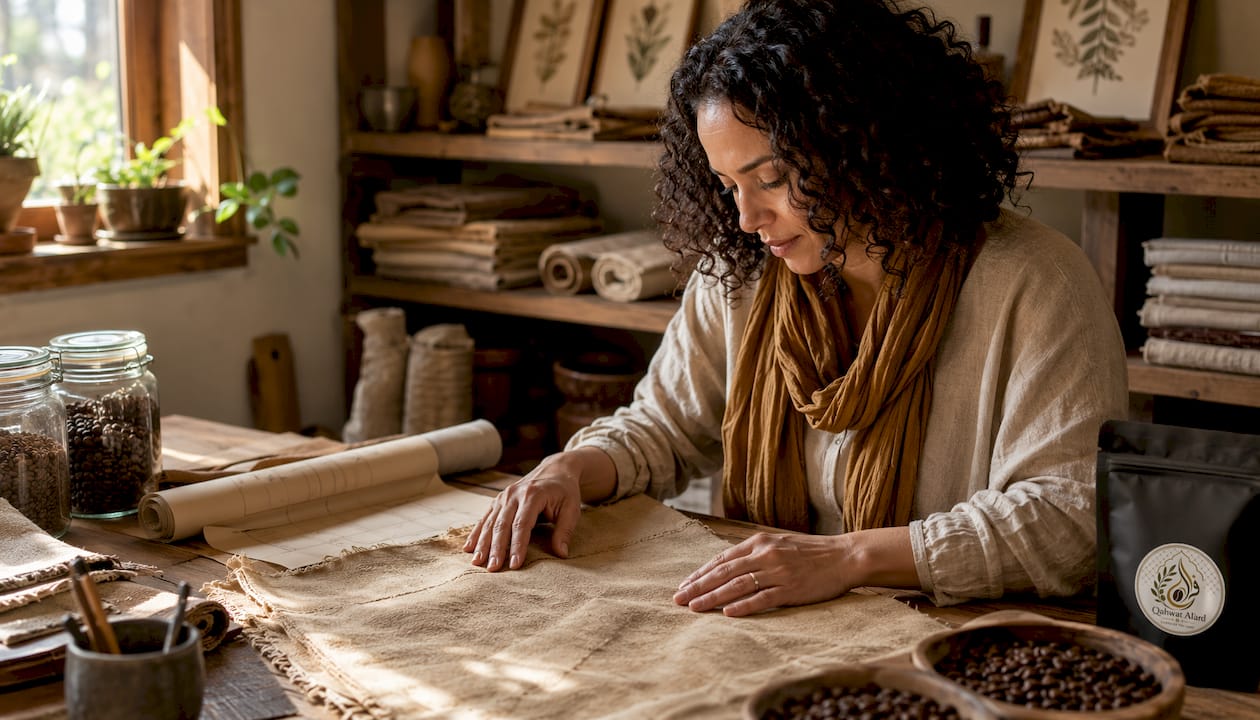
Gourmet coffee apparel has evolved to include specialized textiles like repurposed coffee grounds fabrics and coffee-dyed garments, expanding well beyond conventional branded merchandise. These materials carry the sensory and ethical identity of specialty coffee directly into the fabric itself.
Fabrics and textile innovation
Heavy cotton blends and French terry are the workhorses of quality coffee apparel. Garment washing creates vintage textures that feel lived-in from the first wear, a technique borrowed from premium streetwear. High-end coffee collaborations focus on these premium materials and garment-washing processes to appeal to fashion-forward coffee enthusiasts who recognize quality by touch.
Coffee-dyed garments produce warm, earthy tones that map directly onto the color palette of a well-pulled espresso. However, coffee-dyed apparel requires professional-grade mordants for colorfastness. Consumers often underestimate fading risks with natural dyeing techniques. A garment dyed without proper mordanting will lose its depth within a few washes, which is why sourcing from producers who understand the chemistry matters.
Design motifs and aesthetic language
| Design Element | What It Communicates |
|---|---|
| Coffee-stain patterns | Artisan authenticity, visual wit, third-wave aesthetic |
| Crema gradient prints | Sensory connection to espresso craft |
| Minimalist origin logos | Traceability values, understated sophistication |
| Artisanal typography | Handcraft ethos, independent roaster culture |
| Earth-tone color palettes | Alignment with natural, sustainable materials |
Apparel with “espresso-chic” drip stain aesthetics performs well on social media, aligning with the visual language of third-wave coffee photography. This is not coincidence. The same flat-lay aesthetic that makes a pour-over look beautiful on Instagram translates directly to garment design.
Quality checkpoints to know
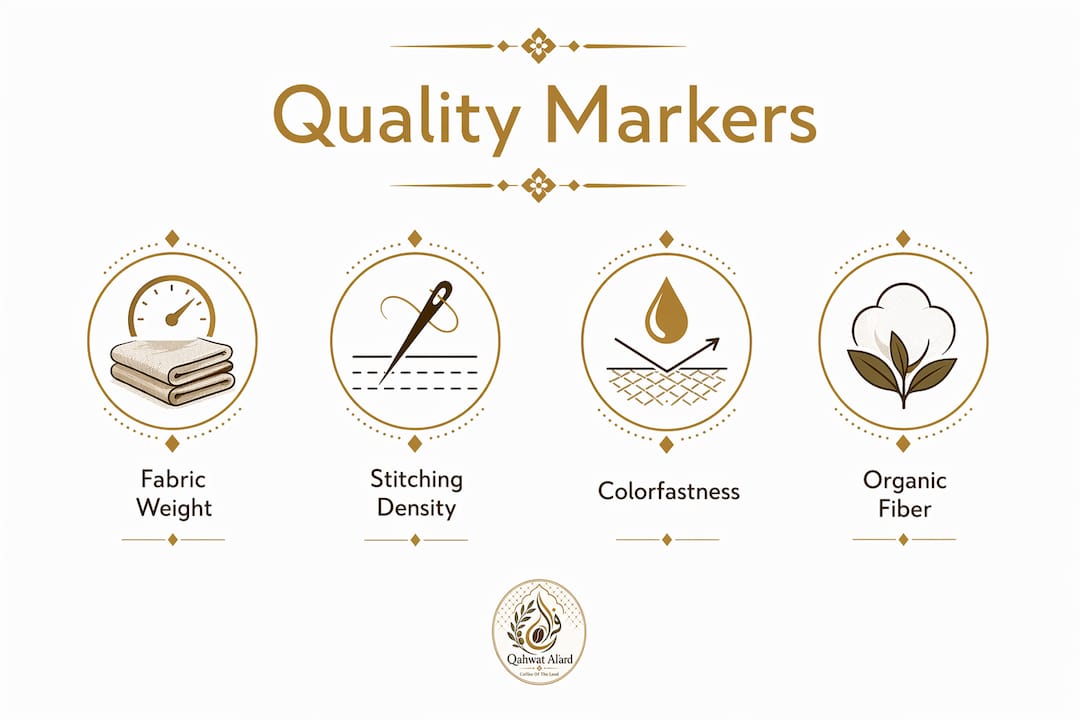
Fabric weight, stitching density, colorfastness, and certified organic fiber standards are the four markers that separate genuine gourmet coffee apparel from novelty merchandise. A garment that passes all four holds its value, its shape, and its story over time.
Pro Tip: Check the fabric weight before buying. Quality coffee apparel typically uses heavier cotton blends (180–280 grams per square meter) that hold their structure and resist pilling through repeated wear.
How does gourmet coffee apparel function commercially and culturally?
Branded coffee apparel is a cost-effective marketing tool that increases customer loyalty and average sales while providing free organic advertising through customers wearing logos in public. That last point is the one most brands underestimate. A customer wearing your tee at a farmers market or a specialty grocery store is a walking endorsement in exactly the right demographic.
The “third place” sociological concept positions coffee shops as social hubs between home and work. Apparel extends coffee culture beyond transactional cafes into daily life expression. When someone wears a roaster’s hoodie on a Sunday morning run, they carry that community identity into a space the brand never physically occupies.
Coffee brands that treat merchandise as artful expressions of customer identity build deeper emotional connections and brand loyalty in a saturated market. The brands that win with apparel are the ones that stop thinking of it as a side product and start treating it as a primary identity vehicle.
The commercial mechanics follow a clear logic:
- Capsule collections create urgency and collectibility, driving faster purchase decisions than evergreen catalog items.
- Limited runs reduce inventory risk while increasing perceived exclusivity and resale value.
- User-generated content campaigns turn customers into brand ambassadors, generating authentic social proof at no additional cost.
- Print-on-demand options allow smaller roasters to test designs without committing to bulk inventory.
- Premium pricing on quality apparel protects brand perception. Low-quality merch actively damages the brand image it is meant to support.
Coffee brands that succeed with apparel treat merchandise as an extension of customer identity rather than a side product, building attachment and distinction in a crowded market. The brands that get this right see apparel become their most visible marketing channel.
What are practical ways to wear and integrate coffee apparel into your lifestyle?
Wearing coffee apparel well means treating it as a wardrobe anchor, not a novelty item. The best pieces work across multiple contexts: a Saturday morning at the farmers market, a casual Friday at a creative office, or a weekend trip to a coffee-growing region. The art of gourmet coffee extends into how you carry its aesthetic in your daily life.
- Earth tones pair naturally with denim, olive chinos, and cream linen. Coffee-inspired palettes are inherently versatile.
- Minimalist logo pieces layer cleanly under open overshirts or denim jackets without competing with other design elements.
- Statement pieces like coffee-stain print tees work best as the focal point of a simple outfit. Keep the rest neutral.
- Unisex cuts in French terry or heavy cotton read as intentional, not lazy. They signal that you chose the piece for its quality, not its fit formula.
- Seasonal capsule thinking means buying fewer, better pieces that rotate across spring and fall rather than accumulating novelty items.
Garment care for coffee-dyed or specialty textile pieces requires cold water washing and air drying. Heat accelerates fading in natural dyes, and tumble drying degrades the texture of heavier cotton blends. Treat these pieces the way you treat a good bag of single-origin beans: with attention and respect for the craft behind them.
Gifting coffee apparel is a strong move for the right recipient. A coffee apparel gift lands best when it reflects the recipient’s specific coffee identity, whether that is a minimalist pour-over devotee or an espresso-obsessed home barista. Match the aesthetic to the person, not just the theme.
Pro Tip: When gifting coffee apparel, pair it with a small-batch coffee sample from the same origin region featured in the garment’s design. It turns a fashion gift into a full sensory experience.
Key Takeaways
Successful coffee apparel transforms private coffee rituals into public identity statements, making it one of the most effective tools for building community and brand loyalty in specialty coffee culture.
| Point | Details |
|---|---|
| Apparel as identity signal | Coffee apparel communicates craft values, ethical sourcing, and community belonging without words. |
| Material quality defines credibility | Specialty textiles, proper mordanting, and certified organic fibers separate genuine gourmet pieces from novelty merch. |
| Commercial and cultural value align | Premium apparel builds brand loyalty, generates organic advertising, and extends coffee culture beyond the cafe. |
| Design language carries meaning | Motifs like crema gradients, origin typography, and earth-tone palettes connect the garment to specific coffee values. |
| Styling requires intention | Treat coffee apparel as a wardrobe anchor, pair it with versatile basics, and care for specialty textiles properly. |
Why coffee apparel is more than a trend
I have spent years watching specialty coffee culture evolve, and the apparel dimension is the part most people still underestimate. The conventional wisdom says coffee merch is a secondary revenue stream. I think that gets it exactly backward.
The most compelling coffee brands I have encountered treat apparel as the primary identity vehicle and the coffee itself as the proof of that identity. When you wear a piece that references a specific growing region or a particular processing method, you are not just advertising a brand. You are declaring a set of values: traceability, craft, sustainability, and community. That is a more powerful statement than any social media post.
What I find genuinely exciting right now is the convergence of sustainable textile innovation with specialty coffee aesthetics. Coffee-ground fabrics and natural dye techniques are not gimmicks. They are the material equivalent of single-origin sourcing. The same consumer who demands to know the farm name on their bag of beans is starting to ask the same questions about their hoodie.
The future of this culture is global, but it will stay personal. The brands that win will be the ones that make each piece feel like it was made for someone who actually understands coffee, not just someone who drinks it.
— Anthony-Yasin
Qahwatalard’s coffee apparel collection
Qahwatalard sits at the exact intersection of specialty coffee culture and wearable identity. The brand’s apparel line reflects the same values that drive its coffee sourcing: authenticity, craft, and a genuine connection to origin.
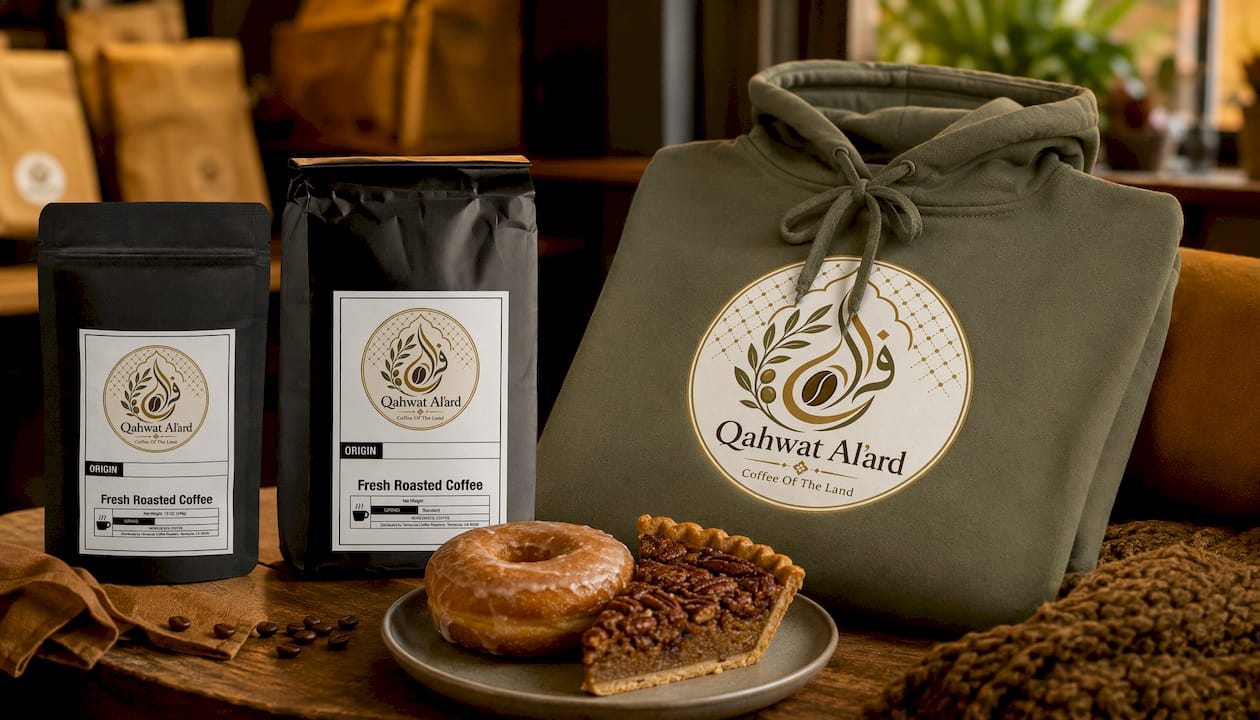
The Crop Hoodie is the standout piece for fashion-forward coffee lovers who want a garment that reads as intentional and culturally aware. It pairs naturally with the earth-tone palettes and minimalist aesthetic that define gourmet coffee style. For those who want to extend the coffee lifestyle into a full sensory experience, the Gourmet Donut Shop collection and the Pecan Pie product round out the lifestyle offering with the same commitment to quality. Qahwatalard’s curated selection makes it easy to wear your coffee passion with conviction.
FAQ
What is gourmet coffee apparel culture?
Gourmet coffee apparel culture is the practice of expressing specialty coffee identity through garments and accessories that signal craft values, community belonging, and lifestyle status. It functions as cultural capital within third-wave coffee communities, similar to the way a precise coffee order signals taste and knowledge.
How does coffee apparel signal status in specialty coffee circles?
Specialty coffee apparel acts as a status signal by distinguishing wearers as members of artisan coffee communities rather than mainstream coffee consumers. Limited-edition drops, local roaster collaborations, and sustainable materials all amplify that signal.
What materials are used in gourmet coffee apparel?
Gourmet coffee apparel uses heavy cotton blends, French terry, repurposed coffee-ground fabrics, and coffee-dyed textiles. Quality pieces require professional mordanting for colorfastness and often meet certified organic fiber standards.
How should I care for coffee-dyed garments?
Wash coffee-dyed garments in cold water and air dry them to prevent fading. Natural dyes fade quickly with heat, so avoiding tumble drying and hot water preserves the color depth and texture of specialty textiles.
Why do coffee brands invest in premium apparel?
Coffee brands invest in premium apparel because it builds customer loyalty, generates organic advertising, and extends brand identity beyond the cafe into daily life. Brands that treat apparel as an expression of customer identity build stronger emotional connections than those that treat it as a side product.


