
TL;DR:
- Artisan coffee pods cost more because they use premium beans, single-origin sourcing, and advanced packaging techniques. Roast level significantly influences flavor, with light roasts offering brightness and dark roasts providing boldness. Compatibility, freshness, and ingredient transparency are essential factors for choosing high-quality artisan coffee pods.
Walk into the coffee pod aisle, or scroll through a specialty coffee site, and the sheer number of choices hits you immediately. Artisan coffee pod varieties have multiplied fast, moving well beyond basic dark roast or vanilla flavored options into single-origin selections, fermentation-forward profiles, and functional blends with added ingredients. Knowing how to read those choices, and which ones are actually worth your money, is what separates a genuinely satisfying morning cup from a mediocre one. This guide breaks it all down.
Table of Contents
- Key takeaways
- 1. What makes artisan coffee pod varieties worth the price
- 2. How roast level shapes flavor in artisan pods
- 3. Bean origin and the single-origin vs. blend question
- 4. Understanding pod compatibility before you buy
- 5. Nitrogen flushing and freshness: why packaging matters
- 6. Top artisan coffee pod varieties to know in 2026
- 7. A side-by-side comparison of artisan coffee pod types
- 8. How to choose the best artisan coffee pod for your taste
- My honest take on exploring artisan pods
- Discover handcrafted pods from Qahwatalard
- FAQ
Key takeaways
| Point | Details |
|---|---|
| Roast level shapes everything | Light roasts yield bright, fruity cups while dark roasts deliver smoky, full-bodied flavor. |
| Nitrogen flushing preserves freshness | Properly sealed pods stay fresh up to 6 to 12 months longer than unprotected packaging. |
| Variety packs reduce risk | Sampling before buying in bulk saves money and reveals your preferred flavor profiles faster. |
| Sustainability is accelerating | Compostable pod options are expanding rapidly and worth factoring into your buying decisions. |
| Price reflects real inputs | Specialty artisan pods cost more because of premium beans, certifications, and packaging technology. |
1. What makes artisan coffee pod varieties worth the price
The price gap between mainstream pods and specialty artisan pods is real. Standard branded organic pods typically run between $0.70 and $1.10 per pod, while premium artisan options can reach $2.50 each. That gap is not just branding. Organic green bean sourcing adds 30 to 60% to raw material costs. Nitrogen flushing adds another $0.03 to $0.08 per pod.
Artisan producers also tend to use single-origin beans with traceable sourcing, small-batch roasting, and tighter quality controls. The result is a pod that delivers more nuance per cup than commodity coffee can offer.
2. How roast level shapes flavor in artisan pods
Roast level is the single biggest variable determining what ends up in your cup. Light roasts produce bright, acidic flavors with fruity and floral notes. Medium roasts offer balance, with caramel and chocolate undertones. Dark roasts go smoky, full-bodied, and intense.
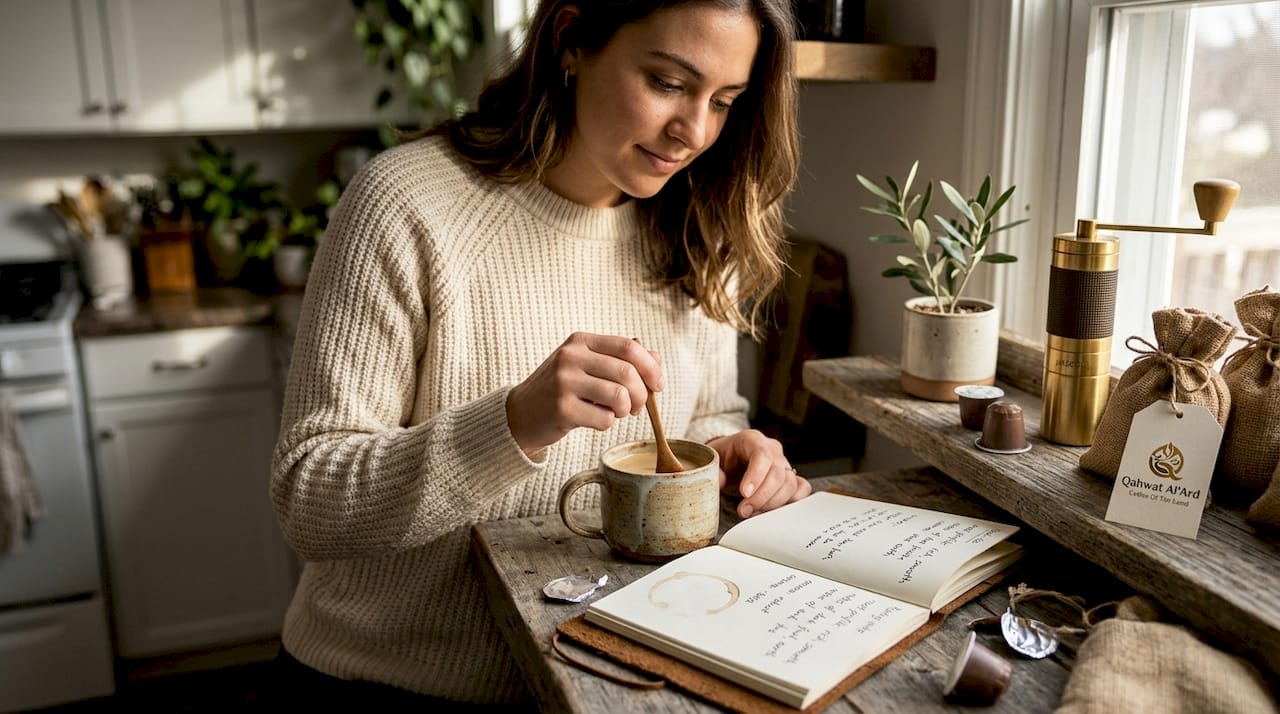
That distinction matters even more with flavored artisan pods, where roast profiles dramatically alter how infused flavors express themselves. Dark roasts support robust, chocolate-forward infusions, while lighter roasts allow floral and fruit notes to shine through without getting buried. Choosing the wrong roast for a flavored pod means the flavor either overpowers or disappears entirely.
Pro Tip: If you are new to artisan pods, start with a medium roast. It gives you the clearest picture of a bean’s character without the extremes of acidity or smokiness pulling your attention.
3. Bean origin and the single-origin vs. blend question
Single-origin pods tell a geographic story. Beans from Bali deliver earthy, chocolatey complexity with low acidity. Peru coffee pods tend toward bright citrus notes and a clean finish, a result of high-altitude growing conditions in the Andes. Mexico produces smooth, nutty profiles with mild sweetness that make for an approachable everyday cup.
Blends, on the other hand, are engineered for consistency and balance. A skilled roaster building a blend can target a specific flavor outcome that a single origin cannot always guarantee season to season. Neither is better. They serve different drinking preferences, and the best artisan collections offer both.
4. Understanding pod compatibility before you buy
Not all artisan pods work in all machines, and this is where many buyers get burned. Nespresso OriginalLine capsules use a specific pressure extraction system, and brew volume is machine-controlled rather than capsule-controlled. Vertuo pods are engineered with different volumes baked into the barcode, so what you get is predetermined.
K-Cup compatible pods are the most widely accessible format and work across dozens of machine brands. Some artisan producers also offer Nespresso-compatible aluminum capsules made to replicate the original extraction behavior. Always confirm compatibility before ordering, especially with specialty or boutique producers whose pods may not explicitly label machine compatibility.
5. Nitrogen flushing and freshness: why packaging matters
Most coffee drinkers overlook packaging entirely, which is a mistake. Nitrogen flushing drops oxygen levels inside the sealed pod to below 1%, preventing oxidation and preserving flavor compounds for 6 to 12 months. Without it, ground coffee loses its best volatile aromatics within weeks.
Precision matters here. Packaging machinery must maintain residual oxygen below 2% and seal integrity must hold throughout storage and shipping. A pod with a compromised seal delivers flat, stale coffee regardless of how excellent the beans were at the time of roasting. Look for pods that explicitly mention nitrogen flushing or inert gas packaging when you are comparing gourmet coffee pod options.
6. Top artisan coffee pod varieties to know in 2026
These are the profiles worth exploring across different taste preferences:
- Single-origin Bali: Earthy, full-body, low acidity with notes of dark chocolate and tropical wood. Ideal for dark roast drinkers who want complexity without bitterness. Try Bali coffee pods for a standout example.
- Single-origin Peru: Bright and clean with citrus and stone fruit notes. Light to medium roast, high altitude grown, naturally processed. A great entry point for light roast exploration.
- Single-origin Mexico: Smooth, nutty, with caramel sweetness and low bitterness. Works well as a daily driver and pairs naturally with milk-based drinks. Qahwatalard’s Mexico coffee pods source from well-regarded growing regions in Chiapas and Oaxaca.
- Dessert-inspired flavored pods: Flavored options now span vanilla and hazelnut classics all the way to adventurous profiles like s’mores and bananas foster. Medium roast Arabica is the standard base because it holds infused flavors without fighting them.
- Cinnamon and spice blends: A step above generic flavored pods, these use real spice infusions rather than synthetic compounds. The difference in cup quality is immediately noticeable.
- Salted caramel dark roast: One of the most popular premium coffee pod varieties. The salinity cuts sweetness, and a dark roast base provides enough structure to prevent the caramel flavor from taking over.
- Functional blends with mushrooms: Among the more unexpected unique coffee pod blends emerging, mushroom-infused pods combine specialty coffee with adaptogenic ingredients. The dark roast mushroom blend from Qahwatalard uses a robust base that complements rather than masks the earthiness of the mushroom component.
- Organic certified single-serve pods: USDA organic certification signals that no synthetic pesticides were used in production. These pods tend to cost more but are worth it for daily drinkers concerned about what is in their cup beyond just caffeine.
- Roast level variety packs: The most efficient way to understand your preferences. A well-designed variety pack gives you light, medium, and dark profiles from the same roaster, which removes the variable of bean origin and isolates roast impact.
“The most important thing I’ve learned tasting artisan pods is that flavor descriptions on the packaging are a starting point, not a guarantee. Your palate, your water quality, and your machine all shape the final cup.”
7. A side-by-side comparison of artisan coffee pod types
| Pod type | Roast level | Flavor profile | Organic option | Price range | Freshness tech |
|---|---|---|---|---|---|
| Single-origin Bali | Dark | Earthy, chocolate, low acid | Yes | $1.50 to $2.50 | Nitrogen flushed |
| Single-origin Peru | Light/Medium | Citrus, stone fruit, clean | Yes | $1.40 to $2.20 | Nitrogen flushed |
| Single-origin Mexico | Medium | Nutty, caramel, smooth | Yes | $1.30 to $2.00 | Nitrogen flushed |
| Salted caramel dark | Dark | Sweet, salty, rich | Some | $1.20 to $1.80 | Varies |
| Dessert flavored (vanilla, hazelnut) | Medium | Sweet, aromatic, soft | Rare | $0.90 to $1.60 | Varies |
| Mushroom functional blend | Dark/Medium | Earthy, bold, functional | Yes | $1.80 to $2.50 | Nitrogen flushed |
| Roast variety pack | Mixed | Broad spectrum | Some | $1.00 to $1.80 avg | Nitrogen flushed |
Price ranges reflect the current U.S. specialty pod market and will vary by retailer and pod count.
8. How to choose the best artisan coffee pod for your taste
The best artisan coffee pods for you are the ones that match both your flavor preferences and your machine. Here is a practical decision process:
- Identify your roast preference first. If you drink your coffee black, start with medium or light roasts where bean character is clearest. If you drink with milk or creamer, dark and flavored pods hold up better under dilution.
- Check machine compatibility before anything else. Confirm whether your brewer takes K-Cup, Nespresso OriginalLine, Vertuo, or a generic pod format. Artisan producers sometimes support only one or two formats.
- Start with a flavored coffees sample pack before buying in bulk. Variety packs are the most efficient way to explore multiple artisan flavors and roast profiles without committing to a quantity you may not enjoy.
- Read the flavoring label carefully. Natural flavoring using real vanilla, real cinnamon, or real fruit extract produces a noticeably more nuanced result than artificial compounds. Ingredient transparency is a reliable quality signal when comparing specialty coffee pod flavors.
- Store pods properly at home. Keep sealed pods in a cool, dry location away from direct light. Once a pod is opened from its outer packaging, use it within the manufacturer’s recommended window, typically two to four weeks.
Pro Tip: Buy a 12-pack before committing to a 60-pack. The cost-per-pod difference seems significant but the savings mean nothing if you end up with 48 pods you do not enjoy.
My honest take on exploring artisan pods
I have tasted a lot of pods, and I will tell you what most tasting guides leave out: roast level misconceptions derail more purchases than anything else. A lot of people assume “dark roast” means stronger caffeine. It does not. Light roasts actually retain more caffeine because the roasting process burns some of it off. What dark roast delivers is a bolder, smokier flavor that many people associate with strength.
The other thing I find genuinely surprising is how much the flavor complexity in artisan coffee depends on water quality and brew temperature rather than the pod itself. I’ve had exceptional single-origin pods produce a flat, unremarkable cup in hard water. The pod is only half the equation.
On sustainability, the compostable pod segment is projected to grow from roughly 8 to 14% of the market now to 30 to 45% by 2035. That trajectory is accelerating, and the best artisan producers are already there. It is worth choosing brands that are ahead of that curve rather than ones playing catch-up.
My honest advice: buy a variety pack from a brand that tells you where the coffee came from, how it was roasted, and what is in the packaging. That transparency is the clearest signal that the producer actually cares about what is in the cup.
— Anthony-Yasin
Discover handcrafted pods from Qahwatalard
If you are ready to move from browsing to tasting, Qahwatalard’s selection of handcrafted coffee pods gives you the origin traceability and roast transparency this guide has been pointing toward.
Single-origin options like Bali, Peru, and Mexico let you taste real geographic character in every cup. For something more unexpected, the mushroom dark roast offers a genuinely different experience. Not sure where to start? A sample pack takes the guesswork out of the first order and gets you tasting across roast levels and origins before you decide on a favorite.
FAQ
What are artisan coffee pod varieties?
Artisan coffee pod varieties are single-serve pods made with specialty or small-batch roasted beans, often featuring single-origin sourcing, natural flavoring, or functional ingredients. They prioritize flavor transparency and bean quality over mass-market consistency.
How long do artisan coffee pods stay fresh?
Nitrogen-flushed artisan pods stay fresh for 6 to 12 months when stored properly in a cool, dry location. Pods without inert gas packaging begin losing peak flavor within a few weeks of production.
Are flavored artisan pods lower quality than unflavored?
Not necessarily. Flavored pods made with natural extracts and quality Arabica bases can be excellent. The key signal is ingredient transparency. Pods that list real flavoring sources and specify bean origin tend to deliver noticeably better results than those that do not.
What is the best way to try artisan pods without overspending?
Variety packs are the most efficient approach. They let you compare multiple roast levels and flavor profiles from one producer before you commit to a full-size order. Most artisan brands, including Qahwatalard, offer curated sample options for exactly this purpose.
Do artisan coffee pods work in standard pod machines?
Most artisan pods are made in K-Cup or Nespresso-compatible formats, which cover the majority of home brewers. Always check the pod’s listed compatibility before ordering, as boutique producers occasionally support only one brewing system.


