


TL;DR:
- Coffee origin reveals essential details like elevation, soil, and climate that shape unique flavors before roasting. In 2026, transparency extends beyond country to include farm, processing, and producer, emphasizing accountability and sustainability. Understanding origin helps consumers make informed choices and supports ethical, terroir-driven coffee practices worldwide.
Most coffee drinkers think origin is a marketing detail — a pretty word on the bag to justify a higher price. It isn’t. Understanding why origin matters in specialty coffee changes how you taste, what you buy, and who you support with every purchase. Origin determines the altitude where a bean ripened, the mineral content of its soil, the rainfall patterns that shaped its sugars, and the farming practices behind its harvest. This article breaks down what origin actually means, how it drives flavor, why it underpins sustainability, and how specialty coffee sourcing in 2026 is getting more specific than ever.
Table of Contents
- Key takeaways
- Why origin matters in specialty coffee
- How origin drives flavor and quality
- Origin in 2026: processing and producer identity
- Origin, sustainability, and accountability
- How to read and use origin as a consumer
- My perspective on what origin actually means
- Explore origin-forward coffee from Qahwat Al’Ard
- FAQ
Key takeaways
| Point | Details |
|---|---|
| Origin shapes flavor at the source | Altitude, soil, and climate create acidity, sweetness, and aroma before roasting ever begins. |
| Lighter roasts preserve origin character | Roasters use lighter profiles to protect the delicate flavor nuances unique to each growing region. |
| Consumers want more than a country name | Farm, elevation, lot, and processing details are now expected by serious specialty coffee buyers. |
| Traceability supports ethical sourcing | Origin transparency allows verification of sustainable and fair labor practices at the farm level. |
| Processing complements but doesn’t replace origin | Methods like washed or natural fermentation shape flavor on top of origin, not instead of it. |
Why origin matters in specialty coffee
Origin is not a single data point. It is a layered concept that stacks country, region, farm, specific lot, and microclimate into a kind of geographic fingerprint. Two farms in the same Ethiopian region can produce cups that taste nothing alike because one sits at 2,100 meters and the other at 1,600 meters, with different soil compositions under each.
The coffee world borrows the concept of terroir directly from wine. It refers to how the natural environment of a growing location expresses itself in the final product. High elevation slows ripening, which gives beans more time to develop complex sugars and sharper acidity. Volcanic soils contribute mineral and floral notes. Iron-rich red clay soils in parts of Colombia and Kenya link to distinct fruity brightness that roasters work hard to preserve.
Here is what the core terroir factors actually do to coffee in the cup:
- Altitude slows cherry development and concentrates sugars, producing higher acidity and more layered aromatics.
- Soil composition transfers mineral characteristics that register as subtle flavor undertones.
- Rainfall patterns affect cherry density and bean structure, which influence how evenly a coffee roasts.
- Temperature range between day and night determines how slowly the fruit matures, affecting sweetness and body.
- Shade and sun exposure change the energy available for photosynthesis, which in turn affects sugar development.
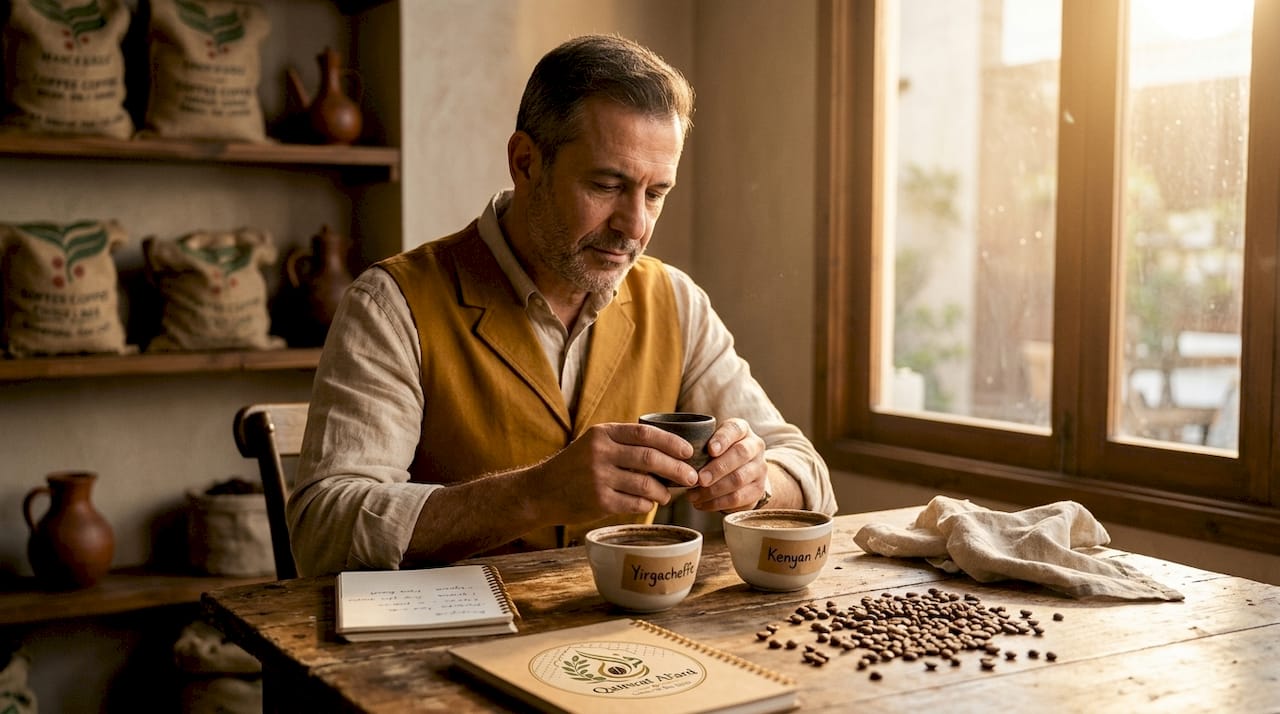
This is why a natural processed Yirgacheffe and a washed Kenyan AA taste so different even at identical roast levels. The land made that decision long before the roaster did.
Pro Tip: When you see elevation listed on a coffee bag, pay attention. Coffees grown above 1,800 meters tend to produce more complex acidity and a longer flavor finish. It’s one of the fastest ways to predict what you’ll taste before you brew.
How origin drives flavor and quality
Specialty coffee requires 80+ points on a 100-point scale, and those scores are grounded in sensory attributes that trace directly back to growing conditions. Origin is the foundation. Roasting and processing modify it, but they cannot manufacture complexity that the environment did not create.
Roasters who work with high-quality single origin beans make deliberate choices to protect what origin already built. Lighter roast levels preserve the delicate acidity and floral aromas that dark roasting would destroy. You can learn more about those decisions in detail by reading about how roasters shape flavor.
Here is how origin flavor profiles generally map across major growing regions:
| Region | Typical flavor profile | Key terroir driver |
|---|---|---|
| Ethiopia (Yirgacheffe) | Jasmine, bergamot, stone fruit | High altitude, heirloom varieties |
| Kenya (SL28/SL34) | Blackcurrant, tomato, sharp acidity | Volcanic soil, high elevation |
| Colombia (Huila) | Caramel, red apple, mild body | Consistent rainfall, shade growing |
| Guatemala (Antigua) | Dark chocolate, brown sugar, full body | Volcanic ash soil, cooler nights |
| Yemen (Haraaz) | Dried fruit, wine, earthy depth | Ancient varieties, dry farming |
Single origin cups make this geography audible. Single origin coffees reveal microclimate differences that blends would mask completely, which is why they are the gold standard for understanding origin and taste in coffee. When you blend coffees, you gain consistency and balance. When you drink single origin, you gain transparency.
The numbered progression below shows how origin translates into cup quality at each stage:
- Growing conditions produce high-density, complex green beans.
- Harvesting precision (selective picking at peak ripeness) preserves that complexity.
- Post-harvest processing either amplifies or refines the origin character.
- Light roasting protects acidity, aroma compounds, and origin-specific flavor markers.
- Proper brewing extracts those compounds without overriding them with heat or over-extraction.
Every step serves the origin. None of these stages creates what origin did not provide first.
Origin in 2026: processing and producer identity
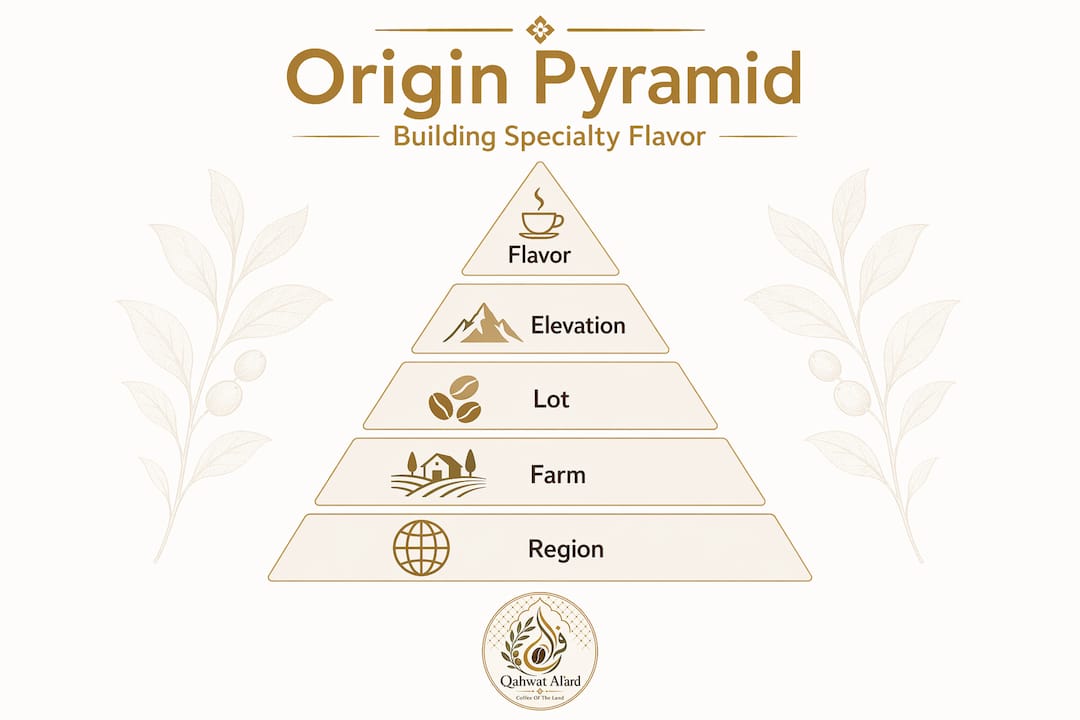
The specialty coffee world has shifted. Where “Ethiopian” once was enough to communicate quality and flavor, buyers in 2026 want to know the farm name, the lot number, the elevation, and who picked the cherries. Consumers look beyond country to farm, process, and producer, and specialty roasters are responding by publishing increasingly granular information on their bags and websites.
Processing methods have become a major part of this conversation. Washed, natural, honey, and anaerobic fermentation each interact with the underlying origin character in distinct ways. Washed processing strips away the fruit and highlights the bean’s inherent clarity and acidity. Natural processing leaves the cherry on longer, adding fruit-forward sweetness. You can go deep on those differences with this breakdown of coffee processing methods.
There is a real tension emerging here. Processing is becoming the primary consumer flavor cue while origin remains important but increasingly contextual. That is a problem if it means consumers buy an “anaerobic natural” without caring whether it came from a carefully tended farm at 2,000 meters or a lower-altitude plot with inconsistent practices.
- What smart consumers now track: Farm name, specific lot or harvest date, altitude, variety, processing method, and producer story.
- What to be cautious of: Coffees that lead entirely with processing novelty without disclosing growing conditions or farm-level detail.
- What producer identity adds: A named farmer with a recognizable signature style creates accountability and repeat purchasing that benefits both sides.
“The risk isn’t that processing overshadows origin. The risk is that marketing overshadows both.” That framing captures the challenge for anyone who takes the importance of coffee origin seriously in 2026.
Pro Tip: Ask your roaster or retailer what the elevation and processing method are for any single origin they sell. If they can’t answer both questions quickly, that tells you something about how deep their sourcing relationship actually goes.
Origin, sustainability, and accountability
Origin transparency is not just about flavor. It is about knowing whether the cup in your hand is connected to fair wages, healthy land, and a farming family with a future. Origin-linked documentation makes it easier to validate sustainable practices at the farm level and to share those stories with consumers in a way that generic “ethically sourced” language simply cannot match.
Certified origin coffees carrying Rainforest Alliance or Fair Trade credentials demonstrate environmental and social responsibility in ways that provide pricing benefits and stronger consumer trust. But certifications come with real costs. Smallholder farmers often face fees, auditing requirements, and documentation burdens that larger operations absorb more easily. Origin transparency at the farm level can be meaningful without requiring every small producer to carry a certification portfolio.
- Traceability systems allow roasters and consumers to follow coffee back to the specific farm and harvest.
- Sustainability certifications signal third-party verification of environmental and labor practices.
- Direct trade relationships between roasters and producers often go further than certifications by creating ongoing accountability.
- Consumer demand for detail creates market incentives for producers to invest in quality and transparency.
Traceable origin stories enhance connection and accountability in ways that build lasting brand loyalty. For more on making purchasing decisions that support sustainable practices, the guide to ethical coffee sourcing covers this well. One honest constraint: changing yields and quality profiles driven by climate stress mean that rigid origin loyalty can backfire. The best sourcing strategies stay committed to specific producers while remaining flexible about how to support them through difficult seasons.
How to read and use origin as a consumer
Knowing why coffee origin matters is useful. Knowing how to act on it at the point of purchase is better.
When you pick up a specialty coffee bag, look for these layers of origin information in this order:
- Country and region: Ethiopia, Sidamo vs. just “Africa” tells you far more.
- Farm or cooperative name: This is the accountability anchor. Named sources mean someone stands behind the product.
- Altitude: Look for meters above sea level. Higher is generally more complex for washed coffees.
- Variety: Heirloom, Bourbon, Gesha, SL28 — variety shapes flavor range within a given origin.
- Processing method: Washed, natural, honey, or anaerobic tells you how the flavor was developed post-harvest.
- Harvest date or crop year: Freshness matters. Coffee has a flavor peak, and older crops lose brightness.
Single origin selections give you the clearest window into what origin actually tastes like. If you want to understand flavor complexity in coffee and sharpen your palate for origin-driven tasting, this guide to tasting flavor complexity will give you a solid framework.
Pro Tip: If you want to train your palate for origin, buy the same coffee from the same farm two years in a row. Climate variation means the cup will taste subtly different despite the same processing and roast level. That difference is pure origin at work.
My perspective on what origin actually means
I’ve spent years working with producers and roasters across different growing regions, and the single most consistent thing I’ve observed is this: origin is where honesty lives in specialty coffee.
You can manipulate processing. You can optimize a roast profile. You can write compelling marketing copy. But you cannot fake what the land produced. A great origin at the wrong elevation, after a drought year, in a poorly managed farm, will tell the truth in the cup regardless of what the label says.
What I’ve found is that the producers who take pride in their specific geography, who track their elevations and varietals and farming practices obsessively, consistently produce coffees that communicate something real. Working with farmers in Huila, Colombia or the highlands of Ethiopia, I’ve seen firsthand how much altitude, soil care, and harvesting discipline show up in a cupping score.
My concern with the current trend toward processing-forward marketing is that it shifts consumer attention away from those fundamentals. A wildly fermented anaerobic natural from a mediocre origin at 1,200 meters will get attention on Instagram. But a meticulously harvested washed coffee from a 2,000-meter farm in Yemen or Yirgacheffe, handled with restraint, will teach you something. The specialty coffee industry built its value proposition on origin. Losing sight of that in favor of novelty processing is a trade I don’t think serves consumers or producers in the long run.
The future I’d like to see is one where origin, processing, and producer identity are presented together with equal transparency, where the geography is never an afterthought.
— Anthony-Yasin
Explore origin-forward coffee from Qahwat Al’Ard
At Qahwatalard, every coffee in the catalog comes with the kind of origin detail this article describes. Farm name, altitude, processing method, and producer story are not optional extras. They are how every product is built and presented. The single origin collection features carefully sourced beans from the world’s most respected growing regions, each selected for traceability, quality score, and sustainability credentials. For those who want specialty-grade flavor without the brewing setup, the instant coffee range brings the same sourcing standards to a faster format. Qahwatalard’s commitment is simple: know where it came from, know who grew it, and let the origin speak.
FAQ
What does coffee origin mean in specialty coffee?
Coffee origin refers to the specific geographic source of coffee beans, including country, region, farm, altitude, and microclimate. In specialty coffee, these details directly shape flavor, quality scores, and sustainability claims.
How does origin affect coffee flavor?
High altitude and volcanic soils produce beans with higher acidity, greater sweetness, and more complex aromas. The specific terroir of each growing region creates flavor profiles that no roast or processing method can replicate from lower-quality origins.
Why does single origin coffee taste different from blends?
Single origin coffees isolate the flavor contribution of one specific growing location, making terroir-driven characteristics like brightness, fruit notes, and body clearly audible. Blends combine multiple origins to achieve balance and consistency rather than geographic distinctiveness.
Do processing methods replace origin in determining flavor?
Processing methods amplify or modify the flavors that origin creates, but they do not replace origin as the foundation. A natural process on a low-quality origin still produces a lower-quality cup than a washed process on an excellent origin.
How can I support sustainable coffee through origin-aware buying?
Choose coffees with traceable origin documentation that names the farm, producer, and any sustainability certifications. Direct trade and certified coffees linked to specific origins create stronger accountability than generic ethical sourcing claims.


