


The strongest ready-to-drink cold brew pick from the lineup is the Cold Brew Coffee, prized for its smooth body and low acidity straight from the bottle. Close runners-up include the 6 Bean Blend, which brings a bolder, more layered cup for black-coffee drinkers, and the Cowboy Blend, a smoky, full-bodied option built for milk or cream. Below, you’ll find the full ranked lineup, tasting notes, and everything else you need to buy the right bottle the first time.
TL;DR:
- The Cold Brew Coffee is ideal for those seeking a smooth, low-acid drink that can be enjoyed black or over ice, without needing to add milk or flavorings.
- The 6 Bean Blend offers more complexity with layered, dark chocolate and nutty notes, best for black coffee enthusiasts who appreciate depth.
- Darker roasts are preferable for sensitive stomachs and dairy drinkers, as they maintain flavor and reduce acidity in cold brew.
- Ready-to-drink bottles can be consumed straight or over ice, but avoid those with vague labeling, added preservatives, or no roast origin details.
- The Single Origin Favorites Sample Pack provides an affordable way to explore different profiles before committing to a full bottle, especially for new buyers.
Table of Contents
- Best Cold Brew Coffee: Ranked Picks From the Catalog
- What to Look for When Buying Store-Bought Cold Brew
- How to Serve and Store Cold Brew for Best Flavor
- Who’s Behind These Recommendations
- Price Comparison and Value for Money
- Packaging and Sustainability Considerations
- Additives and Preservatives to Watch For
- Cold Brew for Vegan, Sugar-Free, and Other Dietary Needs
- The Take: What Actually Matters When You’re Buying Cold Brew
- Shop the Recommended Cold Brew Picks at Qahwat Al’Ard
- Sources
- FAQ
Best Cold Brew Coffee: Ranked Picks From the Catalog
Ranking a lineup this varied means weighing more than just strength. Roast character, sweetness, and how each blend behaves with milk or ice all factor into where a bottle lands. Here’s how the current catalog stacks up, from the top all-purpose pour to the more situational picks.
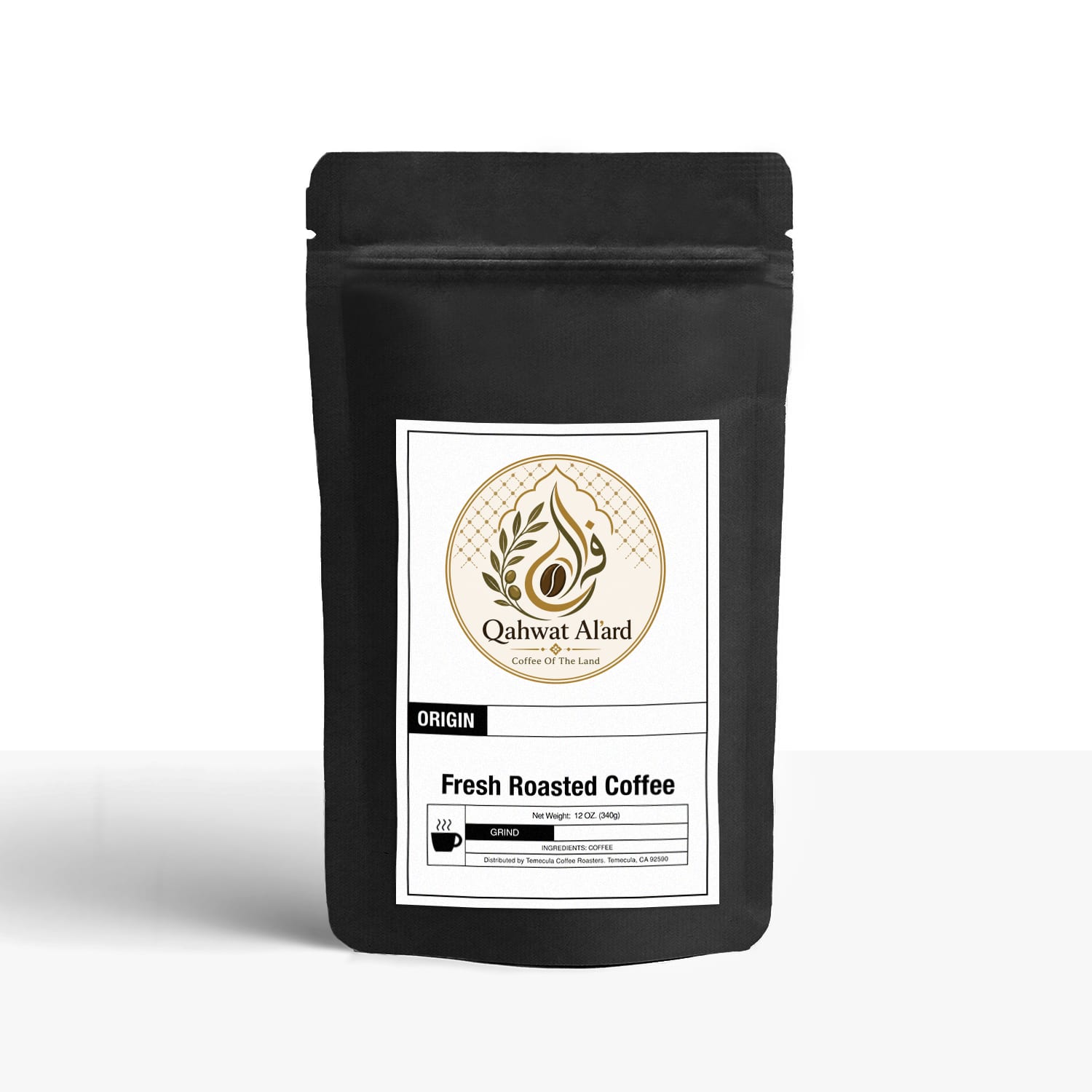
1. Cold Brew Coffee
This is the benchmark bottle. Best for drinkers who want a clean, low-acid cup they can drink black or over ice without doctoring it. The tasting profile leans smooth and rounded, with a soft, almost chocolatey finish and none of the sharp bite that hot-brewed iced coffee often carries. Pro Tip: Pour it straight over ice for the first sip, then decide if you want a splash of milk. Most tasters don’t.
2. 6 Bean Blend
Best for black-coffee loyalists who want complexity. Blending six origins gives this cup a layered body: dark chocolate up front, a nutty middle, and a lingering, slightly spiced finish. It’s the pick for someone who finds single-origin cold brew too one-note.
3. Cowboy Blend
Best for milk and cream drinkers. This blend runs bold and smoky, built to stand up to dairy without disappearing. Try it in a 2:1 ratio with oat or whole milk over ice; the smokiness holds its own against sweetener if you like a flavored iced latte.
4. House Blend
Best for everyday drinking and mixed households where tastes differ. It’s the most balanced of the group: medium body, moderate acidity, a finish that’s neither too sharp nor too soft. Good default when you’re stocking the fridge for guests.
5. Single Origin Favorites Sample Pack
Best for undecided buyers who don’t want to commit to a full bottle or bag before knowing their preference. The pack lets you taste multiple single-origin profiles side by side, which is the fastest way to figure out whether you lean toward bright and fruity or deep and earthy.
6. English Breakfast
Best for drinkers easing into cold brew from traditional black tea territory, or for those who want a lighter, brisk alternative on days when coffee feels too heavy. It’s not a coffee product, so treat it as the tea-drinker’s swap in a mixed order.
7. Peach Paradise
Best for iced tea drinkers who want fruit-forward sweetness without added sugar. The peach notes are bright and natural rather than syrupy, which makes it a good palate cleanser between coffee tastings.
8. Earl Grey
Best for anyone who wants floral, citrus-forward bergamot notes over ice. It’s a strong option for a household that splits between coffee and tea drinkers, since it holds its character well when poured cold.
What to Look for When Buying Store-Bought Cold Brew
Two labels get confused constantly: concentrate and ready-to-drink. Concentrate is brewed strong and meant to be cut with water, milk, or ice before drinking. Ready-to-drink is already at drinking strength straight out of the bottle. Check the label for words like “concentrate” or “dilute before serving.” If it’s missing, assume it’s ready to pour.
Roast level shifts the whole flavor arc. Darker roasts lean smoky and bold; lighter roasts stay brighter and more acidic even after cold extraction, since cold brewing itself reduces bitterness compared to hot brewing but doesn’t erase roast character entirely.
A few rules of thumb:
- Black coffee drinkers should look for medium-to-dark roasts with a stated low-acid profile.
- Milk drinkers do best with bolder, smokier blends that won’t get lost under dairy.
- Anyone sensitive to acidity should favor darker roasts and avoid bottles marketed as “bright” or “fruity.”
Pro Tip: Three red flags on a label: vague “coffee blend” with no origin listed, no steep time or roast date, and a sweetness claim with no ingredient list to back it up.
How to Serve and Store Cold Brew for Best Flavor
- Dilute concentrate first. Most recipe labs recommend a 1:4 coffee-to-water ratio for brewing concentrate, then cutting it roughly 1:1 with water or milk before drinking.
- Serve ready-to-drink bottles straight or over ice. No dilution needed; that’s the whole point of the format.
- Refrigerate after opening and drink within one to two weeks to avoid oxidation dulling the flavor.
- Brew at home instead when you want control over strength. Steep times of 12 to 24 hours produce a deeper, bolder concentrate that store-bought bottles can’t always match on intensity.
Who’s Behind These Recommendations
These rankings come from Yasin Sofyian Ayesh, who covers specialty coffee sourcing and tasting for Qahwat Al’Ard. The picks lean on the brand’s own single origin sourcing pages, which lay out traceability back to growing regions, since clear origin and certification claims are what buyers increasingly look for before trusting a bag or bottle.
Tasting notes aren’t decoration. Body, acidity, and finish are the three details that tell you whether a bottle matches your palate before you buy it, not after.
Price Comparison and Value for Money
Cold brew pricing tends to break into two tiers: everyday blends priced for regular drinking, and single-origin or specialty bottles priced closer to a treat purchase. The House Blend and Cowboy Blend sit in the everyday category, built for drinkers who go through a bottle or bag quickly and don’t want origin-specific pricing every week.
The Single Origin Favorites Sample Pack offers a different kind of value. Rather than committing to a full bottle of one profile, you’re paying to taste several origins at once, which is cheaper than buying three or four full-size products just to find your favorite. That makes it one of the better entry points if you’re new to the catalog.
Specific pricing for each product varies by size and format, and current figures are listed on each product page rather than fixed here. The real value comparison isn’t just dollars per bottle. It’s dollars per cup that actually gets finished. A bolder blend that stretches further with milk or ice can outvalue a cheaper bottle you end up diluting too much or tossing before the shelf-life window closes.
Packaging and Sustainability Considerations
Cold brew ships in a few common formats: glass bottles, cans, and pouched concentrate. Glass tends to preserve flavor best and is widely recyclable through curbside programs, though it’s heavier to ship. Cans are lighter and often more efficient to transport, but some tasters notice a subtle metallic edge on delicate, lighter-roast profiles.
Sustainability claims on packaging are only as good as what backs them. A 2024 Reuters report on a consumer lawsuit against Starbucks over ethical sourcing claims is a useful reminder that “ethically sourced” printed on a label isn’t the same as third-party verification. Look for specific certification names or stated traceability, not just a vague sustainability slogan.
Qahwat Al’Ard’s approach leans on naming the actual growing regions, Colombia, Peru, Bali, and Uganda among them, rather than a generic sustainability badge. That’s a claim worth checking on any brand’s product page before you buy: does it name a place, or just a feeling?
Additives and Preservatives to Watch For
Most straightforward cold brew bottles list just two ingredients: water and coffee. That simplicity is actually a good filter when you’re comparing labels. If a bottle’s ingredient list runs long, it’s usually because of added sweeteners, flavoring extracts, dairy or dairy alternatives, or stabilizers meant to extend shelf life beyond what pure cold brew naturally allows.
None of those additions are automatically bad. A flavored bottle with real vanilla extract is different from one using an artificial flavor compound, and the label will usually tell you which. The concern is preservatives added specifically to push shelf-life well past the natural one to two weeks a clean, filtered cold brew concentrate typically holds under refrigeration. If a bottle claims a month or more of shelf stability without being shelf-stable packaging (aseptic cartons, for instance), read the ingredient list closely before assuming it’s as simple as it looks.
Cold Brew for Vegan, Sugar-Free, and Other Dietary Needs
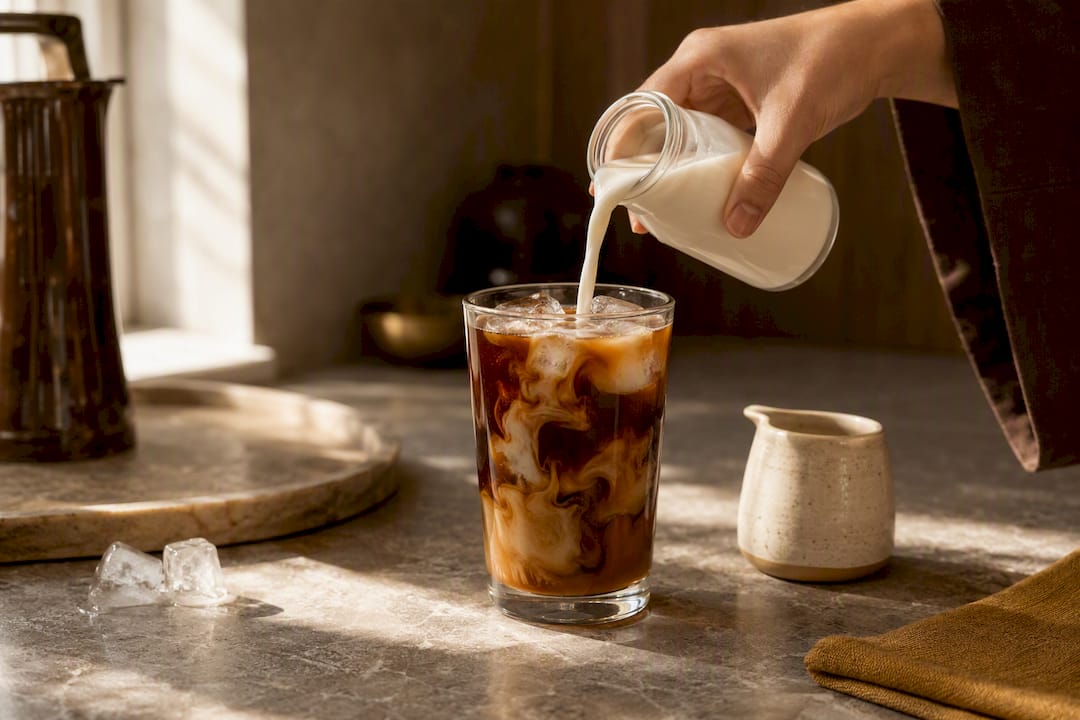
Black cold brew, including the Cold Brew Coffee and 6 Bean Blend, is naturally vegan and sugar-free with no dairy or sweeteners involved. That makes it one of the simpler categories to shop for restricted diets, since the base product doesn’t need reformulating.
Where it gets more specific is milk pairing and flavored options. If you’re avoiding dairy, blends like the Cowboy Blend work well with oat or almond milk without losing their smoky character, since bolder roasts tend to hold up better against plant-based milk than delicate light roasts do. For sugar-free drinkers, stick to unflavored black cold brew and add your own sweetener if needed, rather than relying on a flavored bottle where sugar content isn’t always obvious from the front label.
Tea drinkers with the same restrictions have options too. Peach Paradise and Hibiscus Berry Tea are both naturally caffeine-light or caffeine-free depending on the blend and don’t rely on added sugar for their fruit-forward flavor.
The Take: What Actually Matters When You’re Buying Cold Brew
Most buying guides treat cold brew like a single category, as if one bottle’s strength and roast tell you everything you need. They don’t. The gap between a “best cold brew” list and a genuinely useful one is whether it tells you who each pick is for, not just how it scored.
The conventional wisdom says darker equals better cold brew, full stop. That’s backwards. Darker roasts hold up better under milk, but they can bury the subtler fruit and floral notes that make single-origin cold brew worth trying in the first place. If you’ve only ever had bold, smoky bottles, you haven’t actually tasted what cold extraction does for a lighter roast.
Prioritize matching the blend to how you actually drink coffee, black, with milk, over ice, before worrying about origin stories or packaging. Get that match right first. Everything else, sustainability, pricing, additives, is secondary to whether the cup in front of you tastes like something you’d order again.
— Yasin Sofyian Ayesh
Shop the Recommended Cold Brew Picks at Qahwat Al’Ard
The roast is fresh to order and every bottle comes with origin stories from growing regions like Colombia, Peru, Bali, and Uganda, so you’re not guessing what “sourced ethically” actually means. If you already know your profile, the Cold Brew Coffee page has the full details and is the fastest route to your next order. Still deciding between profiles? The Single Origin Favorites Sample Pack lets you taste several origins before committing to a full bottle. Browse the wider coffee collection to compare blends side by side, and place your order when you’ve found the one that fits your morning.
Sources
- How to make smooth, balanced cold brew at home — Good Housekeeping
- How to make cold brew coffee — Preppy Kitchen
FAQ
Is Cold Brew Healthier Than Regular Coffee?
Cold brew isn’t inherently healthier, but its lower acidity makes it gentler on sensitive stomachs than hot-brewed coffee. The health impact mostly comes down to what you add: black cold brew stays low-calorie and sugar-free, while flavored or sweetened bottles can add up fast.
Why Do People Rate Certain Cold Brew Brands So Highly?
Well-reviewed bottles usually nail two things: a smooth, low-acid body and a finish that doesn’t taste watered down or overly bitter. Consistency between batches also matters, since fans of a specific bottle expect the same cup every time they buy it.
What Coffee Works Best for Cold Brew at the Grocery Store?
Coarser grinds and medium-to-dark roasts tend to produce the smoothest results, since long, cold steeping already reduces bitterness without needing a delicate light roast to soften it. If you’re shopping bagged beans instead of a bottle, look for one labeled specifically for cold brew rather than a general drip roast.
What’s the Healthiest Cold Brew Coffee to Buy?
The healthiest option is unsweetened black cold brew with no additives, since it keeps calories and sugar at zero while delivering the same caffeine as a standard cup. The Cold Brew Coffee fits that description directly, with no flavoring or sweetener in the base bottle.


