


TL;DR:
- Buying sustainable coffee gifts involves choosing products that prioritize environmental, social, and economic transparency. Certifications like Rainforest Alliance and Fairtrade help, but brands that share farm details and sourcing reports offer genuine value.
Sustainable coffee gift buying involves selecting coffee products that prioritize environmental stewardship, fair labor practices, and transparency throughout the supply chain. The specialty coffee industry calls this approach “ethical sourcing,” and it covers everything from how beans are grown to how they are packaged and delivered. Certifications like Rainforest Alliance, Fairtrade, and Bird Friendly give buyers a starting point, but the strongest gifts go further. They come from brands that share farm locations, producer relationships, and pricing structures openly. This guide walks you through every step of choosing eco-friendly coffee gifts that are genuinely meaningful, not just well-marketed.
What makes a sustainable coffee gift buying guide work?
Sustainable coffee gifts are defined by three pillars: environmental impact, social fairness, and economic transparency. A gift that checks all three delivers real value to the recipient and to the people who grew the coffee.
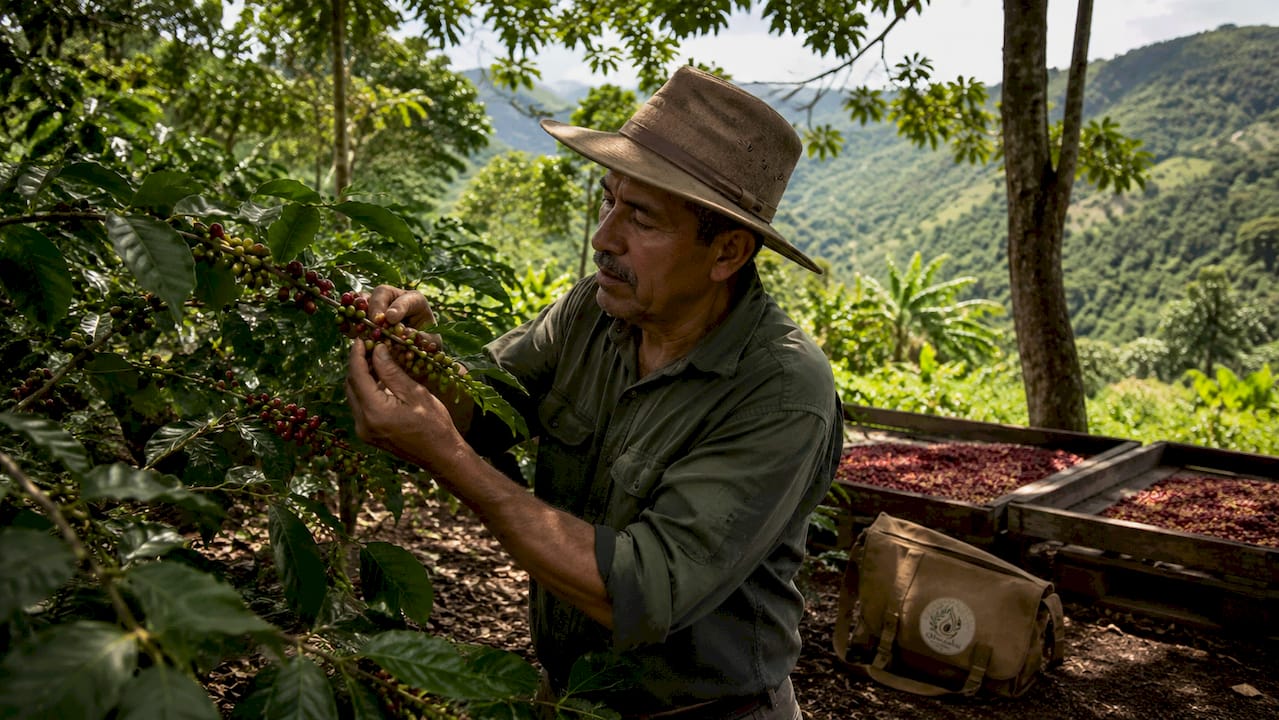
Agroforestry is the gold standard growing method in sustainable coffee. It means growing coffee plants under a canopy of trees, which sequesters carbon and restores degraded land while supporting farmers economically. When a brand uses agroforestry-grown beans, the environmental benefit is measurable, not just a marketing claim.
Certifications add a layer of accountability, but they are not all equal. Rainforest Alliance focuses on biodiversity and worker welfare. Fairtrade sets minimum prices to protect farmers from market volatility. The Bird Friendly certification from the Smithsonian Migratory Bird Center requires shade-grown and organic standards simultaneously, making it one of the strictest available. The 4C (Common Code for the Coffee Community) sets baseline sustainability standards for mainstream supply chains. Certification impact varies widely, so understanding what each one covers helps you choose gifts with real substance behind the label.
Pro Tip: Check whether a brand publishes its sourcing reports or lists specific farms by name. That level of openness is a stronger signal of genuine sustainability than any single certification logo.
| Certification | Primary focus | Key benefit |
|---|---|---|
| Rainforest Alliance | Biodiversity and worker welfare | Protects ecosystems and farm workers |
| Fairtrade | Fair pricing for producers | Guarantees minimum price floor |
| Bird Friendly | Shade-grown and organic | Strictest environmental standard |
| 4C | Baseline supply chain standards | Broad industry adoption |
| Organic (USDA) | No synthetic pesticides or fertilizers | Protects soil and consumer health |
Transparency in sourcing is the single strongest indicator of genuine sustainability. Brands that share farm locations, pricing structures, and producer relationships give you confidence that the gift you are buying reflects real values, not just a label.
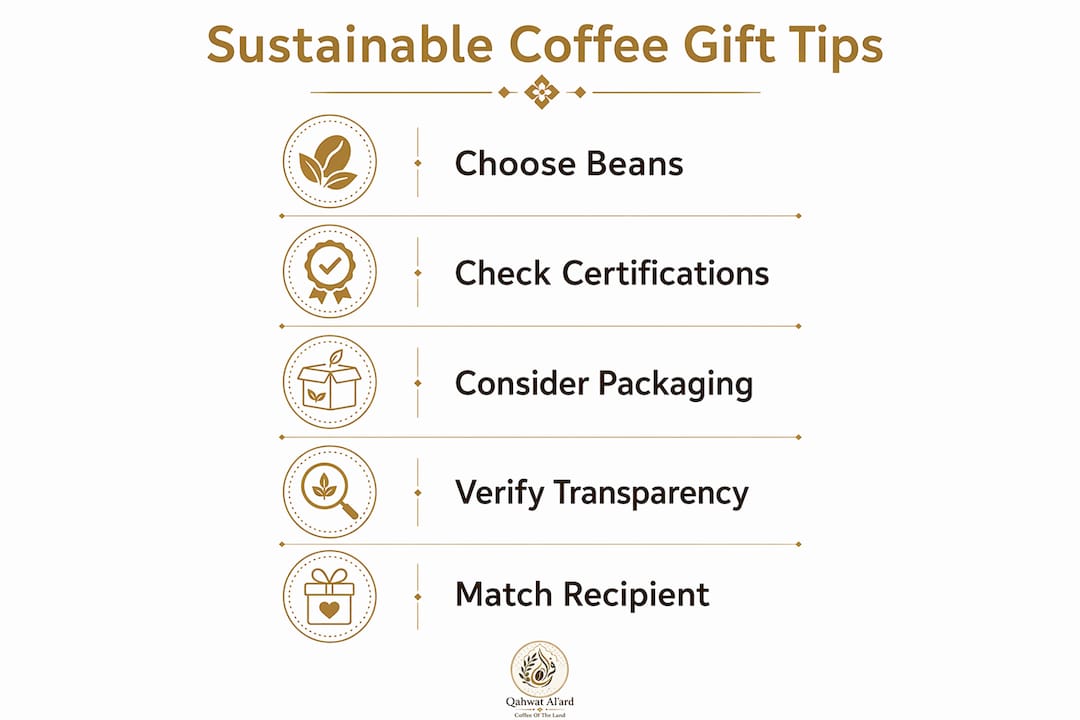
How to choose sustainable coffee gifts by recipient type
The right eco-friendly coffee gift depends on who you are buying for. A casual drinker has different needs than a specialty coffee enthusiast, and an ethical consumer will notice details that others might overlook.
For the casual coffee drinker
Whole bean sample packs from single-origin farms are the most accessible entry point. They require no special equipment and introduce the recipient to traceable, ethically sourced coffee without overwhelming them. Look for packs that include tasting notes and farm information on the packaging. That storytelling element turns a simple bag of coffee into an experience.
For the specialty coffee enthusiast
Single-origin beans with documented provenance are the gift of choice here. Enthusiasts want to know the altitude, the processing method, and the farmer’s name. Coffee origin gift sets that combine ethical sourcing, transparency, and unique presentation enhance gift value and contribute positively to the coffee industry. Pair the beans with a sustainably made brewing accessory, such as a ceramic pour-over dripper or a stainless steel French press, for a complete gift.
For the ethical consumer
This recipient reads labels and researches brands before buying anything. The gift needs to hold up to scrutiny. Prioritize brands with verified certifications and published supply chain data. Fair price coffee involves transparent pricing that benefits producers fairly, and that detail matters to this type of recipient. A coffee subscription from a brand with a clear sustainability report is a gift that keeps delivering value every month.
Features to look for when selecting any eco-friendly coffee gift:
- Organic or shade-grown beans with documented certification
- Biodegradable or recyclable packaging with no plastic lining
- Named farm or cooperative on the label
- Published pricing that shows producer share
- Roast date printed on the bag (freshness signals quality and short supply chains)
- Brewing accessories made from natural or recycled materials
- A brand story that connects the product to specific growing regions
Does packaging matter for eco-friendly coffee gifts?
Packaging is the first thing a gift recipient sees, and it is also where many brands quietly undermine their sustainability claims. Sustainable packaging types include biodegradable, recyclable, and reusable materials, all of which reduce environmental footprint and appeal to eco-aware buyers. The choice of packaging material directly affects the carbon footprint of the gift, from production through disposal.
Biodegradable bags made from plant-based films break down without leaving microplastics. Recyclable kraft paper with a tin tie is widely available and accepted in most curbside programs. Reusable tins or glass jars add perceived value to the gift while eliminating single-use waste entirely. Premium sustainable coffee gift sets in 2026 emphasize personalization, sustainable sourcing, and eco-friendly packaging as a combined signal of quality. That combination is what separates a thoughtful gift from a generic one.
Pro Tip: When presenting a sustainable coffee gift, skip the plastic shrink wrap and synthetic ribbon. Use recycled tissue paper, a cotton drawstring bag, or a reusable wooden box. The presentation reinforces the sustainability message and adds a tactile quality that recipients remember.
| Packaging type | Environmental benefit | Best use case |
|---|---|---|
| Biodegradable film bags | Breaks down without microplastics | Single bags of whole beans or ground coffee |
| Recyclable kraft paper | Accepted in most curbside programs | Gift sets and multi-bag collections |
| Reusable tins or glass jars | Eliminates single-use waste | Premium gifts and subscriptions |
| Compostable mailers | Zero landfill impact | Subscription delivery boxes |
Avoid brands that use foil-lined bags without a recycling program. The foil layer makes the bag non-recyclable in standard facilities, and many brands do not disclose this. A quick check of the brand’s packaging FAQ or sustainability page reveals whether they have addressed this gap.
Where to find and verify credible sustainable coffee gifts
Buying from brands with verified certifications and transparent supply chains is the most reliable way to confirm that a gift’s sustainability claims are real. The specialty coffee market has grown significantly, and not every brand that uses the word “sustainable” has the documentation to back it up.
Direct trade relationships are the clearest sign of a trustworthy brand. Direct trade means the roaster buys directly from the farm, often at prices above the Fairtrade minimum, and maintains an ongoing relationship with the producer. Traceability tools, such as QR codes that link to farm profiles or harvest reports, let you verify the supply chain before you buy.
Red flags and best practices when evaluating sustainable coffee gifts:
- Red flag: No farm name, region, or producer listed on the product page
- Red flag: Vague language like “responsibly sourced” with no certification or documentation
- Red flag: Packaging claims “eco-friendly” but uses non-recyclable foil liners
- Red flag: No sustainability report or sourcing page on the brand’s website
- Best practice: Cross-check certification claims on the certifying body’s public database
- Best practice: Look for brands that list the producer’s share of the sale price
- Best practice: Choose brands that publish a sustainability guide or annual sourcing update
- Best practice: Prioritize roasters with named farm relationships over generic origin labels
Qahwatalard publishes sourcing details for its single-origin products, connecting each coffee to its growing region and the practices used there. That level of traceability is the standard to hold other brands to when you are comparing options.
Key Takeaways
The most effective sustainable coffee gift combines verified ethical sourcing, transparent supply chain documentation, and eco-friendly packaging, making it meaningful for the recipient and the producer.
| Point | Details |
|---|---|
| Certifications are a starting point | Rainforest Alliance, Fairtrade, and Bird Friendly each cover different priorities; check what each one actually protects. |
| Transparency beats logos | Brands that name farms and publish pricing data are more credible than those relying on certification alone. |
| Match the gift to the recipient | Casual drinkers appreciate sample packs; enthusiasts want single-origin provenance; ethical consumers need documented sourcing. |
| Packaging is part of the gift | Biodegradable, recyclable, or reusable packaging reinforces sustainability and adds perceived value. |
| Verify before you buy | Cross-check certification claims on public databases and look for direct trade relationships with named producers. |
Why I think most people overlook the most important part of sustainable gifting
Most buyers focus on the certification logo and stop there. I understand the appeal. Logos are visible, familiar, and feel like proof. But after spending years paying close attention to how coffee moves from farm to cup, I have come to believe that the logo is the least interesting part of the story.
The brands that genuinely move the needle are the ones willing to publish uncomfortable details: what percentage of the sale price reaches the farmer, which farms had a difficult harvest year and why, how water management practices changed after a drought. That kind of openness is rare, and it is exactly what makes a gift worth giving.
The other misconception I see constantly is that sustainable coffee costs too much to give as a gift. The reality is that a small bag of traceable, agroforestry-grown single-origin coffee from a named farm costs roughly the same as a generic gift basket from a grocery store. The difference is that one of them tells a story the recipient will actually remember.
Sustainable gifting is also a form of education. When you give someone a coffee with a QR code linking to the farm where it was grown, you are giving them a new way to think about what they consume. That shift in perspective is the most durable gift of all.
— Anthony-Yasin
Qahwatalard’s selection of sustainable coffee gifts
Qahwatalard sources its coffees from renowned growing regions with a clear focus on traceability and quality. Every product connects to a specific origin, and the brand publishes sourcing details so you know exactly where your gift comes from.
The single-origin collection is the strongest starting point for eco-conscious gifting. Each coffee in the range comes from a distinct region with documented sourcing, making it a gift that carries a real story. For recipients who prefer convenience without sacrificing quality, the Bali Coffee Pods offer sustainably sourced coffee in a format that fits any morning routine. Qahwatalard also carries specialty blends like the African Espresso for enthusiasts who want bold, origin-forward flavor with transparent sourcing behind every cup.
FAQ
What does sustainable coffee mean for gift buying?
Sustainable coffee is defined by environmental stewardship, fair labor practices, and transparent supply chains from farm to cup. When buying gifts, look for certifications like Rainforest Alliance or Fairtrade combined with brands that publish farm-level sourcing details.
Which certifications should I prioritize when choosing eco-friendly coffee gifts?
Bird Friendly and Fairtrade are the most rigorous options, covering shade-grown requirements and minimum producer pricing respectively. Cross-check any certification claim on the certifying body’s public database before purchasing.
Is single-origin coffee always more sustainable than blends?
Single-origin coffee is easier to trace to a specific farm or cooperative, which makes verifying sustainability claims more straightforward. Blends can also be sustainable, but they require the brand to document sourcing for every component origin.
How do I know if a coffee brand’s sustainability claims are genuine?
The strongest indicator is supply chain transparency: brands that name farms, publish producer pricing, and share annual sourcing reports are more credible than those using vague language without documentation.
What are the best sustainable coffee gift sets to buy in 2026?
The best sets combine ethically sourced single-origin beans, biodegradable or recyclable packaging, and a clear brand story connecting the coffee to its growing region. Personalization, such as tasting notes or farm profiles, adds meaningful value beyond the product itself.


