
TL;DR:
- Light roast coffee preserves more antioxidants and carries slightly more caffeine by weight than darker roasts. It offers bright, origin-specific flavors with natural fruit and floral notes, but may have higher acidity and acrylamide levels. Brewing techniques like pour-over at proper temperatures best extract its complex flavors and health benefits.
Light roast coffee is defined by a shorter roasting time that preserves more of the bean’s original compounds, including chlorogenic acids, the primary antioxidants in coffee. The light roast coffee benefits go beyond flavor. You get a brighter, more complex cup and a measurably richer antioxidant profile than darker roasts deliver. Light roast also carries slightly more caffeine by weight, which surprises most coffee drinkers who assume the opposite. If you want to understand what your morning cup is actually doing for your body and your palate, light roast is worth a close look.
1. What are the light roast coffee benefits for antioxidants?
Light roast coffee preserves up to 30% more chlorogenic acids than darker roasts. Chlorogenic acids are potent polyphenols that degrade as roasting temperature and time increase. That means every cup of light roast delivers a stronger antioxidant punch than the same volume of dark roast.
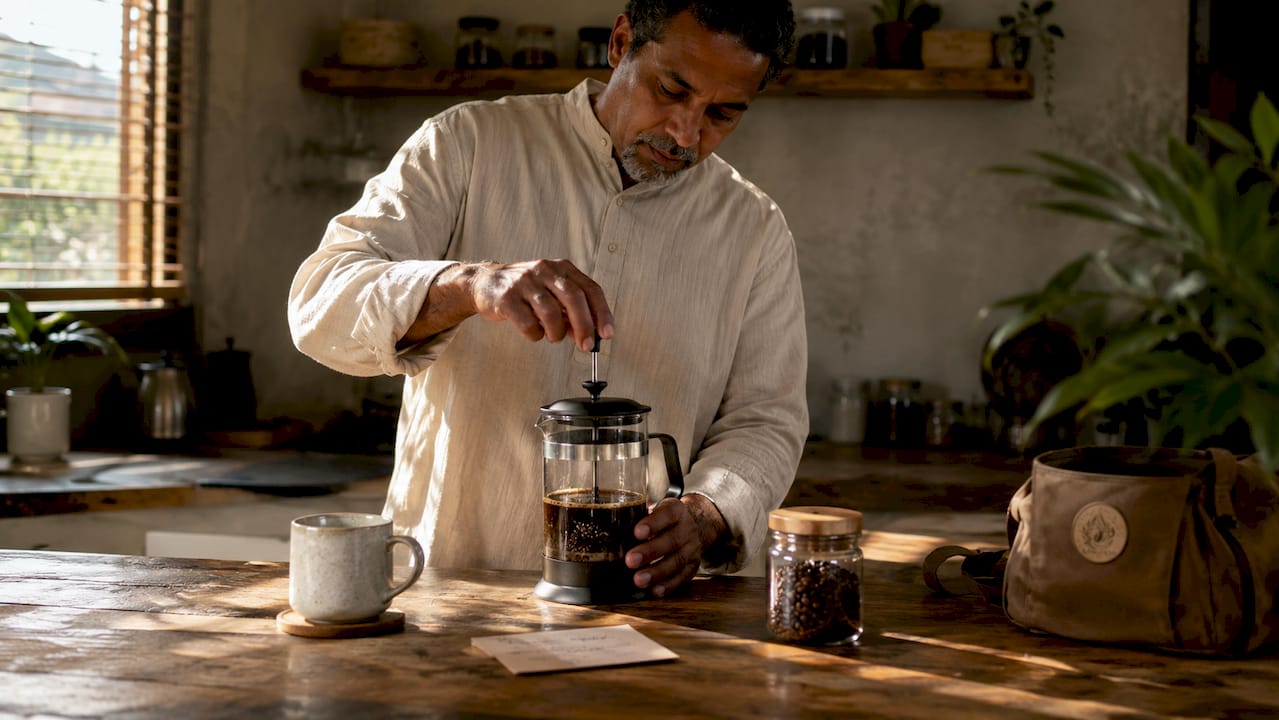
Chlorogenic acids do real work in the body. They reduce oxidative stress, which is the cellular damage linked to aging, inflammation, and chronic disease. Antioxidants from coffee support anti-inflammatory and cardiovascular health, making regular consumption meaningful beyond the caffeine boost.
Dark roast produces a compound called N-methylpyridinium, or NMP, during the extended roasting process. NMP does not appear in meaningful amounts in light roast. This is a real trade-off: dark roast gains NMP while losing chlorogenic acids. Light roast keeps the antioxidants but skips the NMP.
- Chlorogenic acids are highest in unroasted green coffee and decline progressively with heat.
- Light roast retains the most polyphenols of any roasted coffee category.
- Antioxidant intake from coffee is cumulative, so daily consumption compounds the benefit.
- Specialty light roasts from single-origin beans often carry even higher polyphenol concentrations due to varietal selection.
Pro Tip: Brew light roast with water just off the boil, around 195–205°F, to extract chlorogenic acids without scorching the delicate compounds that make them effective.
2. How does caffeine in light roast compare to dark roast?
Caffeine is heat-stable and does not burn off during roasting in any significant amount. The roasting process removes moisture and carbon dioxide from the bean, which reduces mass. Dark roast beans are less dense than light roast beans because they have lost more mass. That density difference is what drives the caffeine confusion.
When you measure coffee by weight, light roast and dark roast contain nearly the same caffeine. When you measure by volume, using a scoop, dark roast beans are lighter and less dense, so you get fewer milligrams of caffeine per scoop. Home brewers commonly confuse density for caffeine content, which leads to the persistent myth that dark roast is stronger.
Brewing method matters far more than roast level for actual caffeine extraction. Espresso, cold brew, and French press each extract caffeine at different rates regardless of roast. If you want to control your caffeine intake accurately, weigh your coffee rather than scoop it.
- Measuring by weight: light roast has a slight caffeine edge.
- Measuring by volume: dark roast appears stronger due to lower bean density.
- Brew time, grind size, and water ratio affect caffeine extraction more than roast level.
- Espresso concentrates caffeine per ounce but uses less total coffee than drip.
3. What flavor characteristics define light roast coffee?
Light roast coffee’s bright acidity reflects origin characteristics that darker roasting would destroy. Ethiopian Yirgacheffe beans, for example, express jasmine and blueberry notes in a light roast that disappear entirely in a dark roast of the same bean. The flavor you taste in a well-sourced light roast is the flavor of the place where the coffee grew.
Acidity in light roast is not a flaw. It is a sign that the bean’s natural fruit sugars and malic or citric acids survived the roast intact. These acids create the brightness that specialty coffee professionals prize. Qahwatalard’s single-origin collection showcases exactly this kind of origin-driven flavor, where the roast level is chosen to honor the bean rather than mask it.
Some coffee drinkers find high acidity uncomfortable. The good news is that acidity is adjustable through brewing variables without sacrificing the complexity that makes light roast worth drinking.
- Ethiopian origins (Yirgacheffe, Sidama): floral, blueberry, citrus.
- Kenyan origins: blackcurrant, tomato, bright tartness.
- Colombian origins: red apple, caramel, mild citrus.
- Guatemalan origins: stone fruit, milk chocolate, gentle acidity.
- Costa Rican origins: honey, peach, clean brightness.
Pro Tip: If light roast acidity feels sharp, try a longer steep time with a French press. Extended contact time rounds out the acidity and pulls more sweetness from the grounds.
4. What chemical differences affect digestive comfort?
The roasting process creates different compounds at different temperature stages, and this directly affects how your stomach responds. Acrylamide forms early in the roasting process and decreases as roasting continues. Light roasts, which stop earlier, tend to retain more acrylamide than dark roasts. This is a genuine trade-off that deserves honest discussion.
NMP, which forms during extended dark roasting, may protect the stomach lining by inhibiting excess acid production. Laboratory studies show NMP stimulates a protective response against hydrochloric acid damage. Light roast contains little to no NMP, which means it offers less of this specific gastric protection.
A clear trade-off exists between the compounds each roast level preserves. Light roast wins on antioxidants. Dark roast wins on NMP and lower acrylamide. Neither roast is universally superior for digestive health.
| Factor | Light roast | Dark roast |
|---|---|---|
| Chlorogenic acids | Higher | Lower |
| N-methylpyridinium (NMP) | Minimal | Higher |
| Acrylamide | Higher | Lower |
| Acidity | Higher | Lower |
| Stomach protection (NMP) | Less | More |
Coffee drinkers with gastric sensitivity or acid reflux may find dark roast more comfortable. If you love light roast but experience discomfort, cold brew preparation dramatically reduces acidity without changing the roast.
5. How to brew light roast coffee for maximum benefit and flavor
Pour-over and drip brewing methods showcase light roast clarity better than any other technique. These methods allow precise control over water temperature, flow rate, and contact time, which directly shapes how the bean’s origin flavors and antioxidants extract. AeroPress is another strong option because it lets you experiment with pressure and steep time.
Water temperature is the most overlooked variable. Water above 205°F over-extracts light roast and turns brightness into bitterness. Water below 190°F under-extracts and leaves the cup flat and sour. Staying in the 195–205°F range hits the sweet spot where chlorogenic acids and aromatic compounds both extract cleanly.
Grind size also shapes the cup significantly. A coarser grind or cooler water reduces extraction of harsh acids, which is useful if you find your light roast too sharp. A finer grind increases extraction and amplifies both sweetness and acidity. Adjust one variable at a time so you can identify what changes the flavor.
- Use filtered water to avoid mineral interference with delicate flavors.
- Store light roast in an airtight container away from light and heat.
- Grind immediately before brewing to preserve volatile aromatic compounds.
- Consume within four weeks of the roast date for peak antioxidant and flavor quality.
- Pair light roast with fresh fruit, yogurt, or mild cheeses to complement its brightness.
Pro Tip: For the cleanest expression of a light roast’s origin flavors, use a gooseneck kettle and pour in slow, even circles. Consistent saturation prevents dry spots that cause uneven extraction.
Key takeaways
Light roast coffee delivers more antioxidants than dark roast, carries comparable caffeine by weight, and expresses origin flavors that darker roasting destroys.
| Point | Details |
|---|---|
| Antioxidant advantage | Light roast preserves up to 30% more chlorogenic acids than dark roast. |
| Caffeine clarity | Caffeine differences by roast are minimal; measure by weight, not volume. |
| Flavor complexity | Bright acidity in light roast reflects origin character, not a brewing flaw. |
| Digestive trade-off | Light roast has more acrylamide and less NMP; dark roast offers more gastric protection. |
| Brewing control | Water temperature and grind size shape light roast flavor more than roast level alone. |
Why light roast changed how I think about coffee
I spent years defaulting to dark roast because I equated intensity with quality. That was a mistake. The first time I brewed an Ethiopian Yirgacheffe as a pour-over at the right temperature, I tasted jasmine and blueberry in a coffee cup. That experience reframed everything I thought I knew about what coffee could be.
The health angle reinforced what my palate was already telling me. Knowing that health differences between roasts are minor compared to overall consumption habits took the pressure off the decision. You do not need to drink light roast exclusively to benefit from its antioxidants. You need to drink coffee consistently and enjoy what you are drinking.
What I tell people who are skeptical of light roast is this: the bitterness you associate with “strong” coffee is largely a roasting artifact, not a sign of quality. Light roast asks more of the brewer and more of the bean. When both are good, the result is something that dark roast simply cannot replicate. Start with a well-sourced single-origin bean, brew it at the right temperature, and give it a fair chance before deciding it is not for you.
The roasting process itself is where the story of a light roast begins. Understanding what the roaster chose to preserve, and why, makes every cup more interesting.
— Anthony-Yasin
Premium light roast coffee worth trying from Qahwatalard
Qahwatalard sources its coffees from traceable, single-origin growing regions and roasts to highlight what each bean does best. For coffee drinkers who want to experience the antioxidant and flavor advantages of light roast without guessing at quality, that sourcing transparency matters.
The single-serve coffee capsules offer a consistent, convenient way to brew lighter roast profiles at home without dialing in grind size or water temperature from scratch. For those who want to go deeper into origin-specific flavor, Qahwatalard’s single-origin collection brings together beans roasted to preserve exactly the brightness and complexity this article describes. Fresh roast dates and transparent sourcing mean you know what you are getting before the first cup.
FAQ
What makes light roast coffee higher in antioxidants?
Light roast coffee undergoes less heat exposure, which preserves more chlorogenic acids. These polyphenols degrade progressively as roasting temperature and time increase.
Is light roast coffee actually stronger in caffeine?
By weight, light roast has a slight caffeine advantage because the beans are denser. By volume, dark roast can appear stronger due to lighter, less dense beans filling a scoop with less actual coffee mass.
Can light roast coffee cause stomach problems?
Light roast has higher acidity and more acrylamide than dark roast, which can cause discomfort for sensitive drinkers. Cold brew preparation or a coarser grind reduces acidity significantly without switching roast levels.
What brewing method works best for light roast?
Pour-over, drip, and AeroPress are the best methods for light roast because they allow precise temperature and flow control. Water in the 195–205°F range extracts the most flavor and antioxidants cleanly.
Does light roast taste bitter like dark roast?
Light roast is not bitter. Its flavor profile features bright acidity, floral notes, and fruit-forward sweetness that reflect the bean’s growing region rather than the roasting process.


