
TL;DR:
- Premium coffee gifts should feature beans with verified origin, recent roast dates, and transparent sourcing practices. Selecting single-origin or ethically sourced beans from specialty roasters ensures freshness and adds meaningful storytelling to the gift. Presentation elements like tasting notes and brewing guides enhance the experience and make the gift memorable.
Sourcing premium beans for gifting means selecting high-quality, ethically sourced coffee that delivers exceptional flavor, freshness, and meaning to the recipient. Specialty coffee, the industry’s recognized term for beans scoring 80 or above on the Specialty Coffee Association’s 100-point scale, sets the standard for what makes a gift truly worth giving. The right beans tell a story: where they grew, who farmed them, and how they were roasted. That story is what separates a memorable coffee gift from a forgettable one. This guide walks you through every step, from identifying quality markers to presenting the final gift beautifully.
What defines premium coffee beans suitable for gifting?
Premium coffee beans suitable for gifting meet three non-negotiable criteria: verified origin, a recent roast date, and a transparent supply chain. These factors separate specialty coffee from mass-produced commercial blends that sit in warehouses for months before reaching store shelves.
Origin and terroir shape the flavor
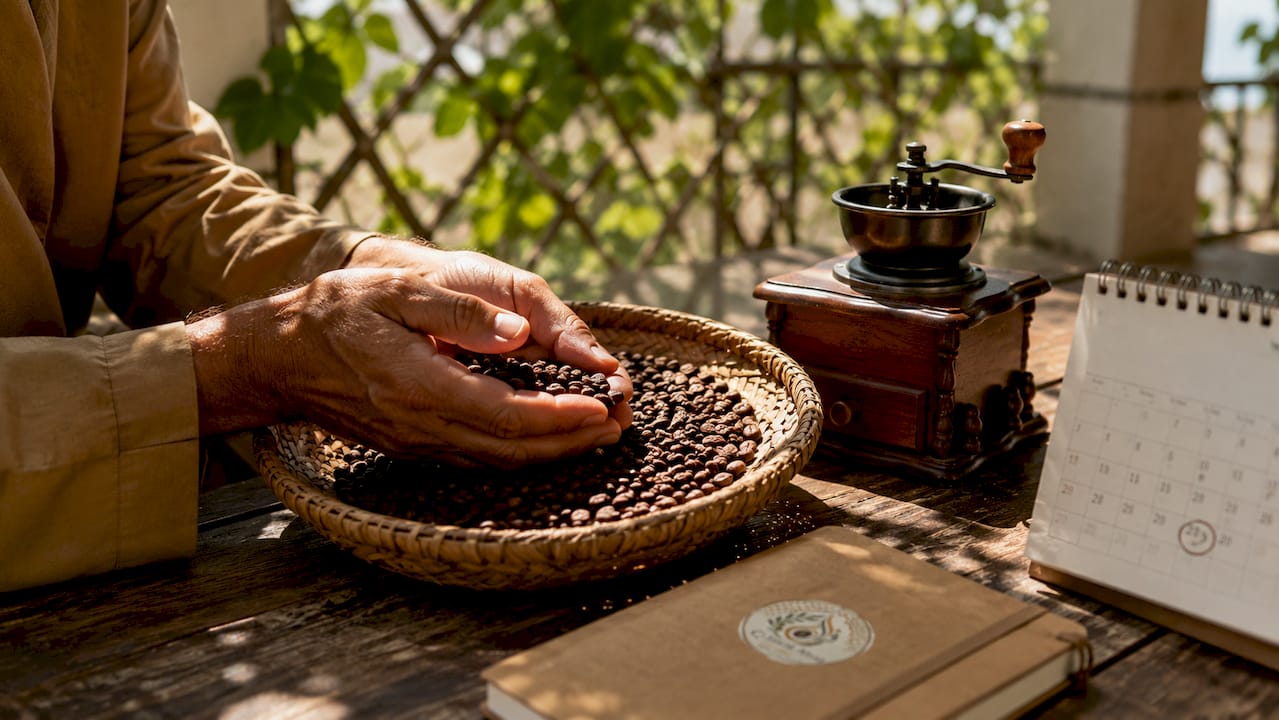
A bean’s flavor is inseparable from where it grew. Coffee terroir refers to the combination of altitude, soil, rainfall, and microclimate that gives each growing region its signature taste. Ethiopian beans from Yirgacheffe carry bright floral and citrus notes. Beans from Sumatra tend toward earthy, full-bodied profiles. Knowing this helps you match the gift to the recipient’s palate.
Roast date is the freshness signal
Freshness tied to roast date is the single most overlooked quality marker in gifting. Beans older than a few weeks lose key aromatic compounds that make specialty coffee worth drinking. A bag without a printed roast date is a red flag. Always look for beans roasted within the past two to four weeks.
Grading and roaster reputation matter
The Specialty Coffee Association grades beans on a 100-point scale covering aroma, flavor, acidity, body, and aftertaste. Beans scoring 80 or above qualify as specialty grade. Reputable roasters publish origin details, processing methods, and tasting notes, which helps you choose with confidence. A roaster willing to share that information is one worth trusting.
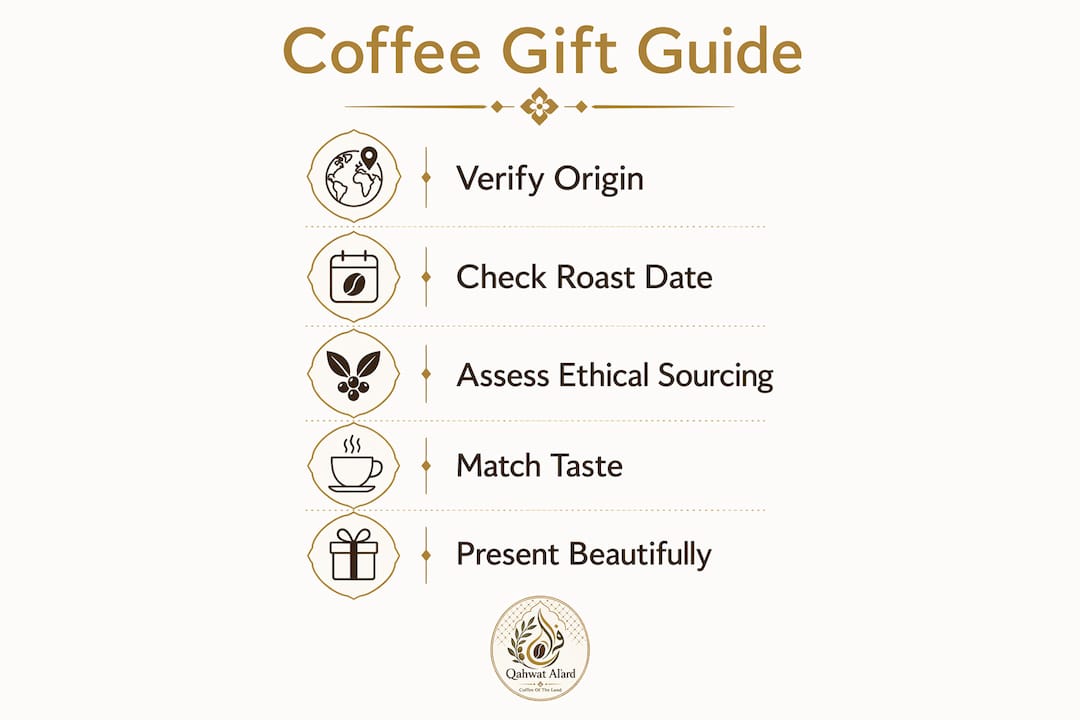
Here are the key quality markers to check before buying:
- Roast date: Printed clearly on the bag, within two to four weeks of purchase
- Origin details: Country, region, farm name, or cooperative listed explicitly
- Processing method: Washed, natural, or honey process, each producing distinct flavors
- Grading: Specialty grade (80+ on the SCA scale) or equivalent quality certification
- Ethical sourcing: Direct trade or fair trade indicators showing fair farmer compensation
Pro Tip: Ask the roaster directly when the beans were roasted. A confident, specific answer signals a quality operation. Vague responses about “freshness” without a date are a warning sign.
Where and how to source premium beans for gifts
The sourcing method determines both the quality and the story behind the beans. Three main channels exist for gift shoppers: specialty roasters, direct trade programs, and curated gift services.
Specialty roasters offer the most control
Buying directly from a specialty roaster gives you the most transparency. You can ask about the farm, the harvest season, and the roast profile. Ethical sourcing through direct trade means roasters pay growers a premium above commodity prices, which benefits farming communities and produces better-quality beans. That context adds genuine meaning to the gift.
Curated gift services simplify the process
Curated gift services package beans from multiple roasters into themed collections, often with tasting notes and brewing guides included. These services work well for gift shoppers who want a polished presentation without researching individual roasters. Gift boxes in this category typically range from under $30 to $60, with subscription options that extend the gift over several months. The trade-off is less control over the specific roast date and origin details.
Questions to ask any supplier
Before committing to a purchase, ask these four questions:
- What is the roast date, and how recently were these beans roasted?
- Which farm or cooperative produced these beans, and in which region?
- Does the roaster participate in direct trade or fair trade programs?
- How is the packaging sealed to preserve freshness after roasting?
The table below compares sourcing methods by the factors that matter most for gifting:
| Sourcing method | Origin transparency | Freshness control | Presentation quality | Best for |
|---|---|---|---|---|
| Direct from specialty roaster | High | High | Varies | Coffee enthusiasts |
| Curated gift service | Medium | Medium | High | General recipients |
| Local artisan roaster | High | Very high | Varies | Local, personal gifts |
| Grocery or mass retail | Low | Low | Low | Not recommended |
Pro Tip: Transparency about farmer relationships and direct trade can often be verified through a roaster’s website. If the sourcing page lists specific farms and countries, that roaster takes provenance seriously.
How do you select and tailor premium coffee gifts for recipients?
The best coffee gift matches the recipient’s taste preferences, not just your own. A light roast with jasmine and peach notes thrills a pour-over enthusiast but may confuse someone who drinks dark roast espresso every morning.
Match roast level to preference
Roast level is the fastest way to personalize a coffee gift. Light roasts preserve the bean’s origin flavors and work well for recipients who enjoy nuanced, fruit-forward cups. Medium roasts balance brightness with body and suit most palates. Dark roasts deliver bold, chocolatey flavors preferred by espresso drinkers. If you are unsure of the recipient’s preference, a medium roast is the safest choice.
Single-origin vs. blends for gifting
Single-origin beans come from one farm or region and offer a distinct, traceable flavor experience. They make excellent gifts for curious coffee drinkers who enjoy exploring different profiles. Blends combine beans from multiple origins to achieve a consistent, balanced flavor. Blends work better for recipients who value reliability over discovery. Qahwatalard’s single-origin collection covers regions from Peru to Bali, giving you genuine variety for different recipients.
Presentation elevates the gift
Packaging and presentation are not afterthoughts. Including tasting notes, brewing tips, and sensory guides transforms a bag of beans into an experience. A handwritten card explaining the bean’s origin adds a personal layer that no commercial gift can replicate.
Key elements that make a coffee gift memorable:
- A clearly labeled bag with roast date, origin, and tasting notes
- A short brewing guide matched to the recipient’s equipment (French press, pour-over, espresso)
- A small sensory card describing the expected aroma, flavor, and finish
- Thoughtful outer packaging: a kraft box, a linen bag, or a reusable tin
Common pitfalls when sourcing premium coffee beans for gifts
The most common mistake gift shoppers make is buying beans based on packaging alone. A beautiful bag with no roast date almost always contains stale coffee. Stale beans produce flat, bitter cups that reflect poorly on the gift, regardless of how the bag looks.
Ignoring origin transparency
Buying beans without clear origin information is the second most frequent error. “Single origin” printed on a bag means nothing without a specific country, region, or farm name. Vague labels like “premium blend” or “artisan roast” without supporting details signal a lack of traceability.
Ordering too early or too late
Timing matters more than most shoppers realize. Ordering beans too far in advance means they arrive stale. Ordering at the last minute means you cannot verify roast dates or allow time for proper packaging. Order beans no more than one week before you plan to give the gift, and store them in an airtight container away from light and heat until delivery.
Pro Tip: Check the sustainable coffee gift buying guide from Qahwatalard for a practical checklist on timing, packaging, and ethical sourcing verification before you place any order.
| Common mistake | Recommended practice |
|---|---|
| No roast date on the bag | Only buy from roasters who print the roast date clearly |
| Vague or missing origin details | Require country, region, and farm or cooperative name |
| Buying from mass retail channels | Source from specialty roasters or curated gift services |
| Ordering too far in advance | Order within one week of the gift date |
| Skipping presentation elements | Always include tasting notes and a brewing guide |
Key Takeaways
Sourcing premium coffee beans for gifting requires verified origin, a recent roast date, and ethical sourcing practices that together signal quality and genuine care.
| Point | Details |
|---|---|
| Roast date is non-negotiable | Only buy beans roasted within two to four weeks of the gift date. |
| Origin transparency signals quality | Require a specific farm, region, and country, not just a vague label. |
| Match roast level to the recipient | Light roasts suit enthusiasts; medium roasts work for most palates. |
| Presentation multiplies perceived value | Add tasting notes, a brewing guide, and thoughtful packaging to any bean gift. |
| Ethical sourcing adds meaning | Direct trade and fair trade programs verify fair farmer compensation. |
What I’ve learned from years of gifting specialty coffee
The most surprising thing I’ve observed is how rarely people consider the roast date when buying coffee as a gift. They spend time choosing the right origin or reading flavor descriptions, then hand over beans that were roasted six weeks ago. The recipient brews a flat, lifeless cup and assumes specialty coffee is overhyped. The coffee was not the problem. The timing was.
The second thing I’ve noticed is that transparency creates the “wow factor” that lifts a coffee gift above commodity status. When a recipient reads that their beans came from a specific cooperative in Peru, harvested in april, and roasted two weeks ago, the gift becomes a conversation. That story is what they remember, not the price.
My personal approach is to combine a single-origin bean with a one-page tasting guide. I write two or three sentences about the region, the expected flavor notes, and the best brewing method for those beans. It takes ten minutes and costs nothing extra. Recipients consistently say it is the most thoughtful coffee gift they have received. The coffee origin gift guide from Qahwatalard is the resource I recommend most often for building that kind of context quickly.
— Anthony-Yasin
Premium coffee gifts, ready to give from Qahwatalard
Qahwatalard sources its beans directly from renowned coffee-growing regions, with full traceability from farm to roast. Every product includes origin details and roast information so you can gift with confidence.
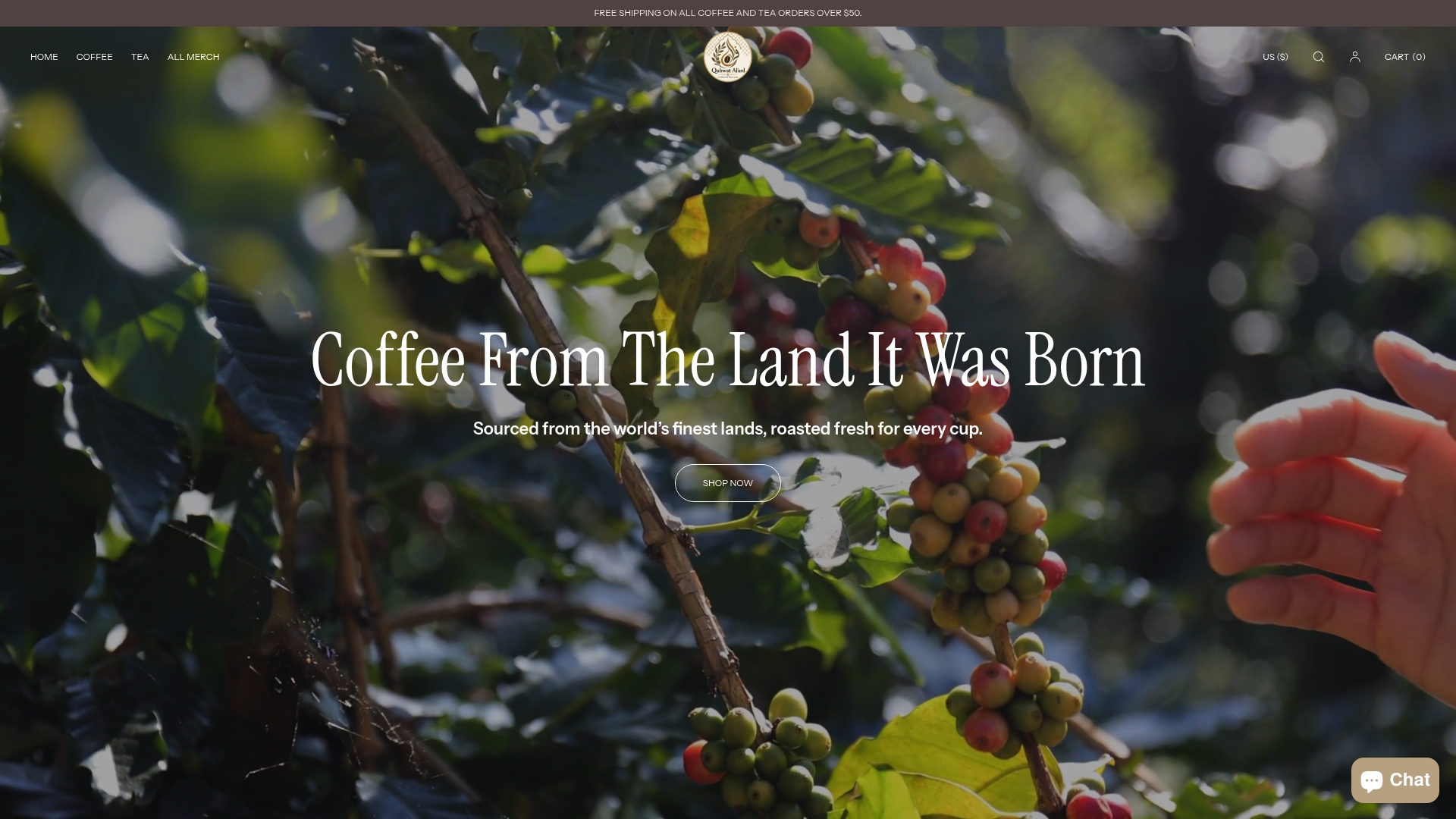
The single-origin collection covers distinct regions including Peru and Bali, each offering a unique flavor profile suited to different recipients. For shoppers who want a ready-to-gift format, the 12-pack single-serve coffee capsules deliver premium quality in a convenient, presentation-ready package. Qahwatalard also offers the Max Caf Blend for recipients who prefer a bold, expertly roasted cup. Every order ships fresh, with packaging designed to protect flavor from roast to doorstep.
FAQ
What makes coffee beans “premium” for gifting?
Premium coffee beans score 80 or above on the Specialty Coffee Association’s 100-point scale and come with verified origin details, a printed roast date, and transparent sourcing. These markers confirm quality and freshness before the recipient ever brews a cup.
How do I know if coffee beans are fresh enough to give as a gift?
Check the roast date printed on the bag. Beans roasted within two to four weeks of the gift date retain their full aroma and flavor. Beans older than a few weeks lose key aromatic compounds that define specialty coffee’s appeal.
Should I choose single-origin or blended beans as a gift?
Single-origin beans suit recipients who enjoy exploring distinct regional flavors. Blends work better for those who prefer a consistent, balanced cup. When in doubt, a medium-roast single-origin from a well-known region like Ethiopia or Colombia is a reliable choice for most coffee drinkers.
What sourcing practices should I look for in a coffee gift supplier?
Look for suppliers who publish specific farm or cooperative names, participate in direct trade or fair trade programs, and print roast dates on every bag. Ethical sourcing through direct trade ensures fair compensation for growers and typically produces higher-quality beans.
How should I store gifted coffee beans before giving them?
Keep beans in their original sealed bag, away from light, heat, and moisture. Do not freeze beans that will be given within a week. Order no more than seven days before the gift date to preserve peak freshness through delivery.


