


TL;DR:
- Coffee varietals describe the plant’s genetics, setting a flavor potential ceiling rather than a definite taste.
- Actual cup flavor depends on origin, altitude, processing, and other environmental factors that shape the final profile.
If you’ve ever stared at a coffee bag labeled “Gesha” or “SL28” and wondered what that actually means for your cup, you’re not alone. Understanding what is coffee varietals is one of the most useful pieces of knowledge a coffee drinker can have, yet it’s widely misunderstood. Most people assume the varietal name tells them how the coffee will taste. It doesn’t. Not exactly. The varietal tells you about the plant’s genetics, which sets a ceiling on flavor potential. What actually ends up in your cup depends on where it grew, how it was processed, and how it was roasted.
Table of Contents
- Key takeaways
- What coffee varietals really are
- Major varietal families and popular examples
- How geography and processing shape the final cup
- How to use varietal info when buying coffee
- Breeding trends and the future of coffee varietals
- My honest take on varietal obsession
- Explore varietal diversity with Qahwatalard
- FAQ
Key takeaways
| Point | Details |
|---|---|
| Varietals are genetic types | A coffee varietal describes the plant’s genetics within a species, not a flavor guarantee. |
| Arabica leads in variety | Most specialty coffee comes from Arabica, which has hundreds of distinct cultivars beneath it. |
| Terroir shapes the cup | Origin, altitude, and climate push or pull what a varietal’s genetics can actually express. |
| Processing changes everything | Washed, natural, and honey processing each alter flavor dramatically, even within the same varietal. |
| Use all three signals | Reading varietal, origin, and processing together gives you the most accurate picture before you buy. |
What coffee varietals really are
The term “coffee varietals” gets used loosely, so let’s set the record straight. In botany, a variety is a naturally occurring genetic subdivision within a plant species. A cultivar is a variety that humans have selected and propagated for specific traits. In specialty coffee, the word “varietal” is used interchangeably with cultivar, even though technically these aren’t the same thing. You’ll see both terms on bags, menus, and roaster websites, and they almost always mean the same thing in practice: a specific genetic subtype of cultivated coffee plant.
Now, the bigger distinction. Coffee belongs to the genus Coffea, which contains around 120 known species. Of those, Arabica and Robusta are the two main species that drive the global coffee market. Arabica (Coffea arabica) accounts for about 60% of world production and is where virtually all specialty coffee comes from. Robusta (Coffea canephora) is more disease-resistant and higher in caffeine, and it shows up primarily in espresso blends and instant coffee.
Varietals sit one level below species. Think of species as the genus of a car brand, and the varietal as the specific model. You can’t have a Ferrari 488 without Ferrari being the species it comes from. You can’t have a Bourbon coffee varietal without Coffea arabica being the species it belongs to.
Here’s the critical concept: the genetics of a varietal set a ceiling on what flavors and traits are possible. They determine the plant’s potential for acidity, sweetness, and aromatic complexity. But they don’t determine the actual flavor in your cup. That’s where origin, altitude, and processing take over.
- Species defines the broadest flavor playing field (Arabica vs. Robusta)
- Varietal/Cultivar narrows that field genetically, setting upper-bound potential
- Origin and terroir determine where within that range the coffee lands
- Processing applies a final layer of transformation before roasting even begins
Pro Tip: When you see “cultivar” and “varietal” used on coffee packaging, treat them as synonymous. The distinction matters in strict botanical terms, but not for understanding what’s in your bag.
Major varietal families and popular examples
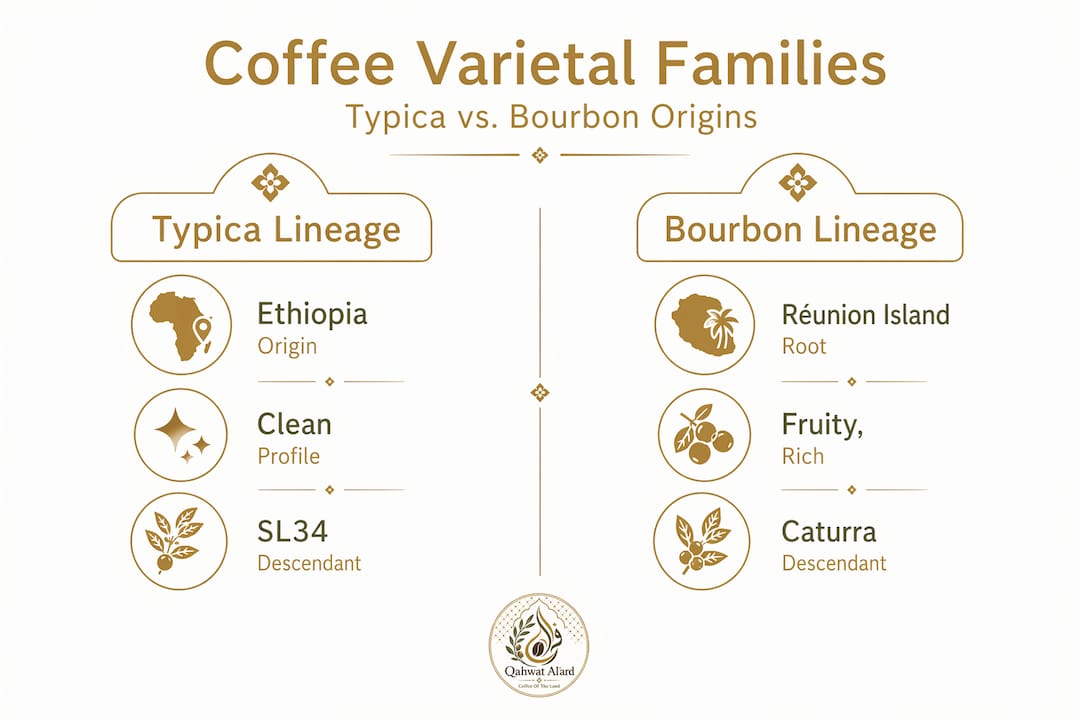
Most specialty coffee varietals trace back to two foundational families: Typica and Bourbon. Understanding these two makes the rest of the varietal family tree much easier to follow.
Typica is one of the oldest cultivated Arabica lines. It spread from Ethiopia to Yemen, then traveled through India, Java, and eventually to the Americas. Typica plants are known for producing clean, sweet cups with low bitterness. They tend to be tall, which makes harvesting harder, and they’re susceptible to leaf rust and other diseases. Famous Typica-derived varietals include Java, Maragogipe (a natural giant-bean mutation), and Blue Mountain from Jamaica.
Bourbon diverged from Typica on the island of Réunion (formerly called Bourbon). It produces more fruit per branch and tends toward sweeter, more complex cups. Bourbon is the parent or ancestor of dozens of well-known varietals. Many popular mutations and crosses like Caturra, Catuai, and SL28 trace directly back to Bourbon genetics.
Here’s a quick look at some of the most talked-about varietals you’ll encounter:
| Varietal | Family | Flavor tendency | Notes |
|---|---|---|---|
| Typica | Typica | Clean, mild, sweet | Original cultivated line |
| Bourbon | Bourbon | Sweet, complex, fruity | Parent of many cultivars |
| Caturra | Bourbon mutation | Bright acidity, light body | Natural dwarf mutation |
| SL28 | Bourbon-related | Blackcurrant, citrus | Developed in Kenya |
| Gesha | Typica-related | Floral, jasmine, bergamot | Associated with Panama farms |
| Catuai | Caturra x Mundo Novo | Balanced, mild | Very widely planted hybrid |
One varietal worth separate attention is Gesha (also spelled Gessha). Originally from Ethiopia, Gesha gained fame after a Panamanian farm won an international competition with it in 2004. Since then, it’s become one of the most sought-after and expensive varietals in the world. Gesha is shorthand for genetics and pedigree, not a flavor guarantee. Grown at low altitude with poor post-harvest care, a Gesha can taste underwhelming. Grown at high altitude in Panama with meticulous processing, it can taste like jasmine tea with bergamot and ripe peach. Same genetics. Completely different cups.
The industry is also seeing growth in hybrid and disease-resistant varietals. Varieties like Marsellesa, Centroamericano, and the F1 hybrids bred by organizations like World Coffee Research are gaining traction among farmers who face climate stress and fungal disease pressure. These hybrids often trade some of the nuanced flavor ceiling of heirloom varietals for greater resilience and yield consistency.
Pro Tip: If you want to understand a varietal’s flavor potential, look for farms that grow that varietal at high altitude with careful processing. That’s when genetics have the best chance to fully express themselves.
How geography and processing shape the final cup
Here’s where most coffee drinkers get confused. You taste a floral, tea-like cup labeled “Gesha,” and you assume every Gesha will taste that way. Then you try another Gesha and it’s earthy and dense. What happened?
The varietal didn’t change. Everything around it did. This is where coffee terroir becomes the most important concept to understand. Just like wine grapes express different characters depending on the soil and climate, coffee plants respond intensely to where they grow.
Here are the key environmental factors that transform what a varietal can express:
- Altitude. Higher elevation means slower cherry development, which concentrates sugars and organic acids. The same Caturra grown at 1,000 meters tastes noticeably flatter than one grown at 1,800 meters.
- Soil composition. Volcanic soils common in Ethiopia, Colombia, and Guatemala contribute mineral complexity. Sandy or depleted soils suppress flavor expression regardless of varietal.
- Rainfall and temperature. Consistent rainfall and cooler average temperatures during the growing season favor clean, complex cup profiles.
- Processing method. This is arguably the biggest variable of all. A washed SL28 can taste dramatically different when processed naturally, even from the same farm.
The three main processing methods each impose a distinct flavor character. Washed (wet) processing strips the fruit before drying, letting the varietal’s genetics and terroir speak most clearly. Natural (dry) processing leaves the fruit on during drying, adding fruit-forward sweetness and body. Honey processing sits in between, with some fruit mucilage left on. You can learn more about these differences in this guide to processing methods.
The bottom line is that varietal sets the upper bound. Terroir and processing place the coffee somewhere within that range. A skilled producer at the right altitude with great soil can coax a Bourbon to taste extraordinary. A poorly managed farm with the same Bourbon genetics will produce something flat and unremarkable.
Pro Tip: Always read the full label: varietal, country of origin, region, and processing method. Those four signals together are far more predictive of flavor than any single piece of information on its own.
How to use varietal info when buying coffee
Knowing what coffee varietals are is useful. But knowing how to use that information is where it actually pays off at the register or the brew bar.
Many varietal labels represent cultivars with sublines that can vary significantly even under the same name. “Bourbon” from Rwanda and “Bourbon” from El Salvador will taste like different coffees. The genetics overlap, but the altitude, climate, soil, and processing likely differ entirely.
Here’s how to put varietal knowledge to work without over-relying on it:
- Use varietal as a starting hypothesis, not a conclusion. If you know you love the brightness associated with SL28, look for it from high-altitude Kenyan farms with washed processing.
- Cross-reference with origin. A varietal known for acidity grown in a low-altitude region may produce a much milder cup than expected. Check where the farm sits geographically.
- Pay attention to processing. A naturally processed Typica will taste nothing like a washed Typica. If you hate heavy fruit notes, the varietal name matters less than the processing.
- Ask your roaster. Good roasters know the farms they source from. If the bag says “Gesha,” a knowledgeable roaster can tell you the altitude, the specific processing used, and what to expect.
- Taste systematically. Buy two bags of the same varietal from different origins and brew them side by side. This is the fastest way to feel the difference between flavor complexity driven by origin vs. varietal genetics.
The most common mistake is treating the varietal name as a flavor promise. It isn’t one. It’s a clue. A good one. But only one piece of the picture.
Breeding trends and the future of coffee varietals
The world of coffee plant breeding is moving fast, driven by two urgent pressures: climate change and coffee leaf rust disease. Leaf rust (Hemileia vastatrix) has devastated coffee farms across Central America and beyond, and variety development that builds in rust resistance has become a survival priority for millions of producers.
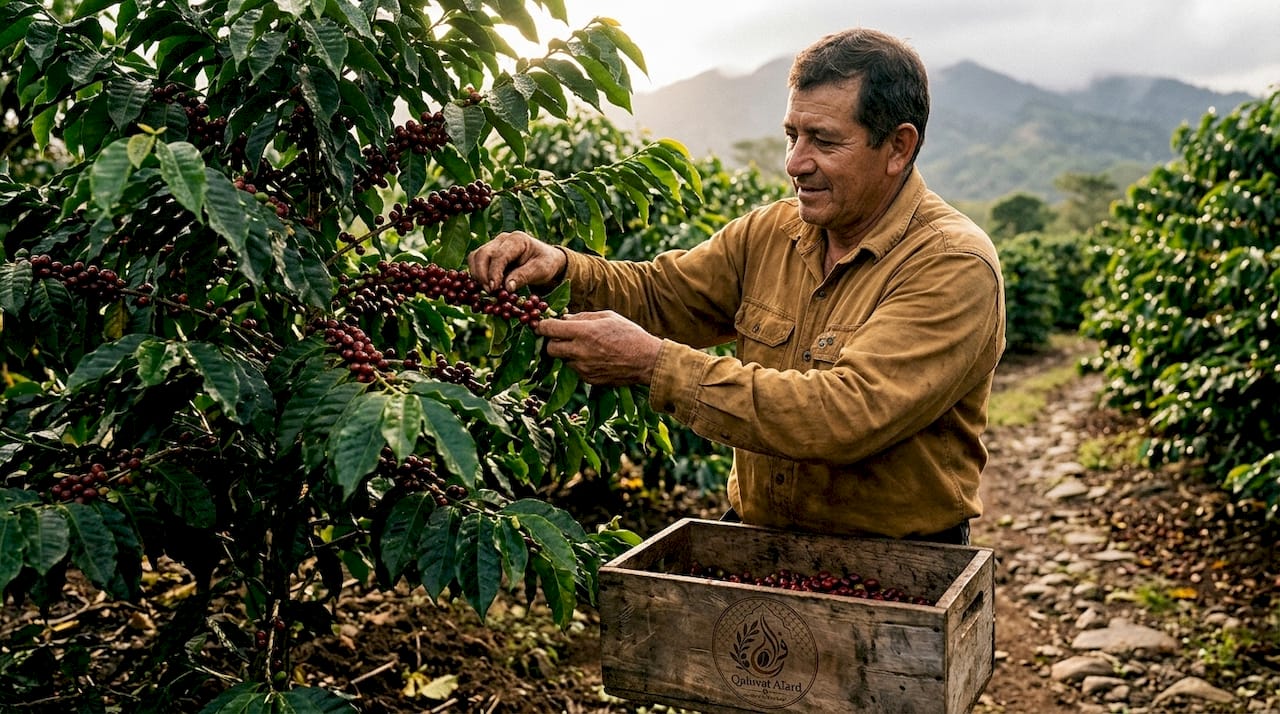
World Coffee Research (WCR) leads much of this work at an international level. Their variety trials evaluate performance across 23 sites in 15 countries, showing clearly that a cultivar’s yield and disease resistance shifts depending on the local environment and the specific rust races present. There is no universally “best” varietal. There’s only the right varietal for a given set of conditions.
The development timeline is daunting. Varietal development takes 10 to 30 years from initial cross to commercial release. That means the varietals farmers plant today reflect decisions made decades ago. And the breeding decisions being made now won’t reach your cup until 2035 or later.
“Variety development is linked to farm-management goals such as resilience and yield, not only flavor promises.” — World Coffee Research
For coffee enthusiasts, this means the varietals on your shelves over the next decade will increasingly include hybrids bred for survivability alongside heirloom varieties treasured for their flavor ceiling. The challenge for the industry is developing plants that don’t sacrifice cup quality for climate resilience. That balance is where the most exciting research is happening right now.
My honest take on varietal obsession
I’ve spent years tasting through varietal after varietal, and here’s what I’ve genuinely learned: the obsession with varietal names can actually get in the way of enjoying coffee. I’ve seen people dismiss a beautifully processed Caturra because it “isn’t a Gesha,” and I’ve watched others overpay for a poorly grown Gesha because the name carried prestige.
Varietal knowledge is worth having. It sharpens your tasting vocabulary, helps you form hypotheses before you brew, and gives you a common language with producers and roasters. But in my experience, the drinkers who get the most out of every cup are the ones who hold varietal information lightly and let what’s actually in the glass lead the conversation.
My advice: learn the families, understand the genetic tendencies, and then forget about them the moment the coffee hits your palate. Let the cup be what it is. The science informs the experience. It doesn’t replace it.
— Anthony-Yasin
Explore varietal diversity with Qahwatalard
At Qahwatalard, every coffee tells you where it came from, what varietal it is, and how it was processed. That’s not just labeling. It’s the difference between buying blind and buying informed.
The single origin collection at Qahwatalard is curated with exactly this kind of transparency in mind. You’ll find Bourbon-family coffees from Central America next to Ethiopian naturals with complex genetic heritage, each with the origin and processing details you need to make a real choice. Whether you want to compare how Caturra expresses itself across two continents or try a disease-resistant hybrid against a classic heirloom, the selection makes those experiments possible. Start with a sample pack to taste varietal differences across origins, and let your palate do the rest.
FAQ
What does “coffee varietal” actually mean?
A coffee varietal refers to a specific genetic subtype of a coffee plant species, most commonly within Coffea arabica. It describes the plant’s genetics and inherited traits, not its flavor directly.
What is the difference between a coffee varietal and a species?
A species like Arabica or Robusta is the broadest genetic category. A varietal (or cultivar) is a specific genetic line within that species, selected for particular traits like flavor potential, yield, or disease resistance.
Does a varietal name tell me how the coffee will taste?
Not reliably. The varietal sets a genetic ceiling for flavor potential, but the actual taste in your cup is shaped by altitude, soil, climate, and processing method. The same varietal from two different origins can taste like entirely different coffees.
What are the most popular coffee varietals for specialty coffee?
Gesha, SL28, Bourbon, Typica, and Caturra are among the most recognized varietals in specialty coffee. Each carries distinct genetic tendencies, but Typica and Bourbon-family varietals are considered the foundational lines from which most others descend.
Why are new coffee varietals being developed?
New varietals are bred primarily to combat coffee leaf rust disease and address climate resilience challenges. Disease-resistant variety development protects farmers from crop loss while researchers work to maintain cup quality alongside improved survivability.


