


TL;DR:
- A coffee mug collection reflects personal taste and memories through intentionally selected pieces.
- It is organized by maker, material, era, or theme, with value based on rarity, condition, and provenance.
- Collectors cherish the emotional stories mugs tell and the joy of meaningful curation over quantity.
A coffee mug collection is the intentional accumulation of mugs that reflect personal taste, memories, and artistic interest. Unlike a random cupboard full of drinkware, a true collection has purpose behind every piece. Some collectors own a tight set of a dozen mugs. Others build collections exceeding 3,000 pieces, each one a small time capsule tied to a place, a person, or a moment. The hobby sits at the crossroads of utility and storytelling, which is exactly why it draws so many people in.
What is a coffee mug collection, and how do collectors define it?
A coffee mug collection is best understood as a curated assortment of mugs chosen with intention rather than convenience. The word “curated” matters here. A collector does not simply keep every mug that enters the house. They select, evaluate, and sometimes let pieces go. The collection reflects a point of view, whether that means focusing on a single maker, a specific decade, or a recurring visual theme.
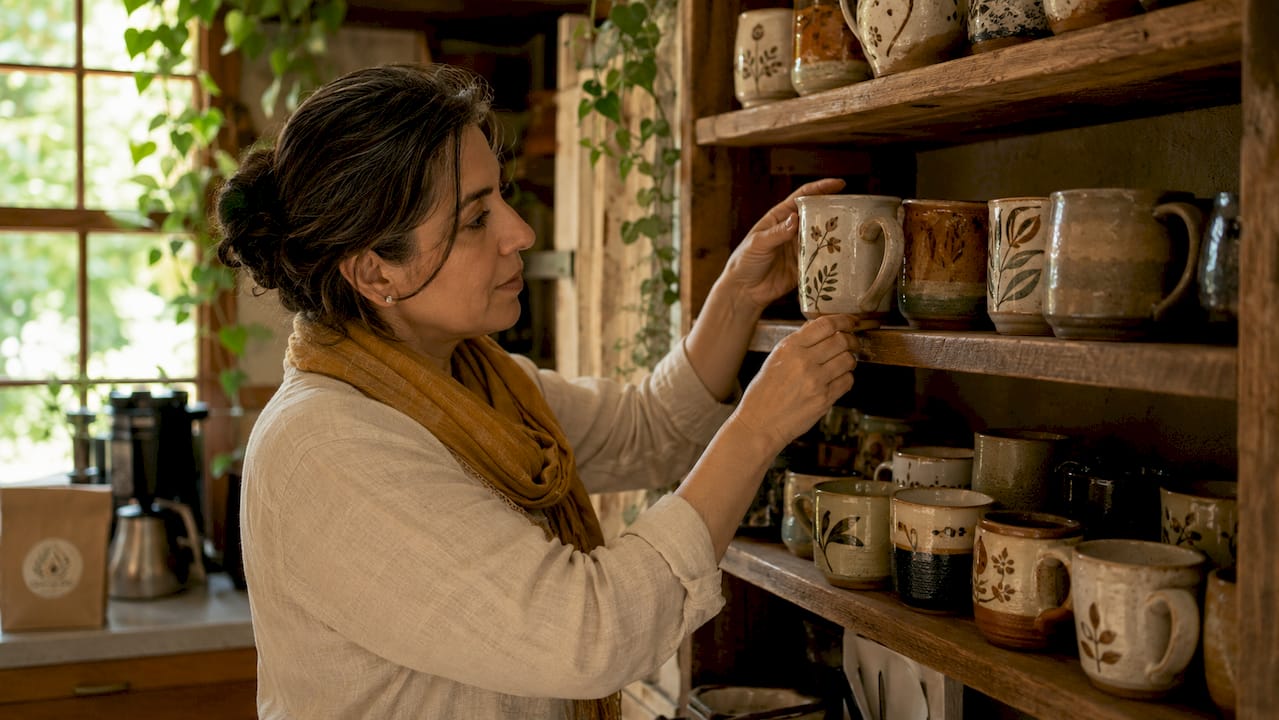
Collectors also treat their mugs as objects with histories. A hand-thrown ceramic mug from a local pottery studio carries a different kind of value than a mass-produced souvenir. Both can belong in a collection, but the collector knows why each one is there. That intentionality is what separates a collection from clutter.
The hobby has no formal governing body or certification standard. The definition comes entirely from the collector. A set of five mugs chosen with care qualifies just as much as a wall of hundreds. What matters is the thought behind the selection.
How do collectors categorize and value coffee mugs?
Collectors organize mugs by four main criteria: maker, material, era, and theme. A maker-focused collection might center on studio pottery from a specific artist. A material-focused collection could prioritize hand-thrown stoneware over factory-pressed porcelain. Era-based collections often target mid-century American diner mugs or Art Deco pieces from the 1920s and 1930s. Theme-based collections are the most common entry point, covering everything from national parks to vintage advertising.
Value in the mug world follows three factors: rarity, condition, and provenance. Rarity drives price the most. Certain limited-edition mugs can fetch $40–$100 or more based on scarcity alone. That price range shows how quickly a functional object becomes a collectible when supply is limited.
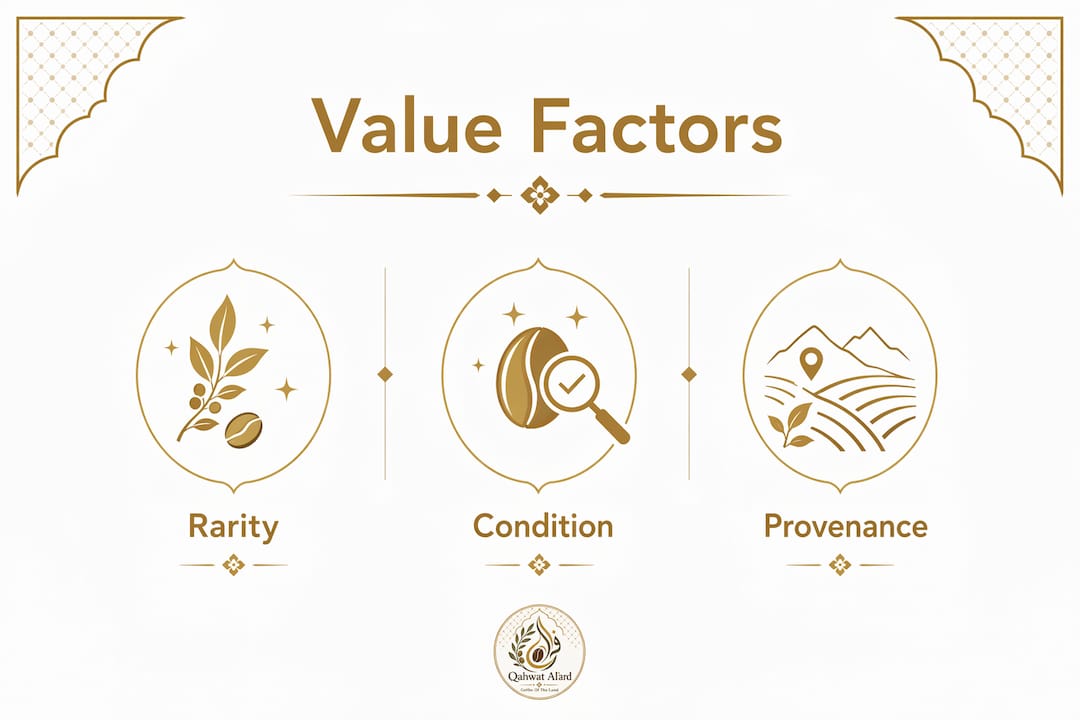
Condition matters almost as much as rarity. A mug with a chip or a faded glaze loses significant value in collector markets. Provenance, meaning the documented history of where a mug came from and who owned it, adds a premium that condition alone cannot create.
Here is a quick breakdown of how collectors typically assess a mug’s worth:
- Rarity: Limited production runs, discontinued series, or regional exclusives command the highest prices.
- Condition: No chips, cracks, crazing, or fading. Original glaze intact.
- Provenance: Documented origin, original packaging, or connection to a notable maker.
- Theme demand: Popular themes like travel, sports, or nostalgia attract more buyers.
- Material quality: Hand-thrown ceramics and fine porcelain outvalue mass-produced stoneware.
| Valuation factor | Impact on price |
|---|---|
| Rarity | High. Limited runs can multiply value several times over. |
| Condition | High. Chips or fading significantly reduce resale value. |
| Provenance | Medium to high. Documented history adds a premium. |
| Theme popularity | Medium. Trendy themes attract more buyers but fade faster. |
| Material quality | Medium. Handmade pieces hold value better than factory goods. |
Why do people collect coffee mugs?
The psychology behind mug collecting combines sentimentality with everyday utility in a way few other hobbies can match. A mug is not just decorative. You use it every morning. That daily ritual turns a simple object into a ritualistic anchor, something that grounds you in routine while connecting you to a specific memory or place.
Mugs also function as identity markers. The mug you reach for first says something about who you are. A collector who displays mugs from every country they have visited is telling a visual autobiography. One who collects hand-thrown pieces from local potters is signaling values around craft and community.
“There is no right or wrong way to collect mugs. Value derives from the joy and stories the mugs bring their owner, not from market price or collection size.”
The social dimension matters too. Collectors share finds online, trade pieces, and bond over the hunt. Niche collectors gain real satisfaction from curation, but the most experienced ones consistently stress quality over quantity. The distinction between a collection and an obsession often comes down to whether the mugs bring joy or just take up space.
Reasons collectors cite most often:
- Mugs hold memories that photographs cannot replicate.
- The hunt for a specific piece delivers genuine excitement.
- Collections create a sense of personal identity and taste.
- Mugs are affordable compared to other collectibles like art or furniture.
- The hobby combines aesthetics with daily function.
How to start and grow a coffee mug collection
The single best piece of advice for new collectors is to define your parameters before you buy anything. A collection built around a clear theme stays manageable and meaningful. A collection built on impulse becomes a storage problem within a year.
Start by answering three questions. What draws you to mugs in the first place? Is it the material, the imagery, the origin, or the maker? What space do you have to display or store them? And what budget feels comfortable per piece? Answering these honestly shapes every purchase decision that follows.
Once you have a focus, diversify your sourcing to maximize your chances of finding rare or unique pieces. Each venue offers different advantages:
- Estate sales: The best source for older, often underpriced pieces from private collections.
- Flea markets: High volume, low prices, and the occasional unexpected find.
- Online auctions: Access to global inventory, but shipping risk for fragile ceramics is real.
- Pottery studios and craft fairs: Ideal for handmade, one-of-a-kind mugs directly from makers.
- Thrift stores: Inconsistent but cheap, and worth checking regularly in your area.
Rotating your displayed mugs keeps the collection feeling fresh. Swapping mugs every 3–4 months prevents display fatigue and gives stored pieces time in the spotlight. It also helps you notice which mugs you actually reach for and which ones you have outgrown.
Pro Tip: Start a digital catalog from day one. A simple spreadsheet with a photo, acquisition date, source, and price per mug saves hours of confusion later and prevents duplicate purchases.
The Qahwatalard coffee accessories guide covers how to pair your growing collection with the right brewing tools, which is a natural next step once your mug selection takes shape.
How to store, display, and maintain your mug collection
Storage is where most collectors make their first serious mistake. Stacking mugs is the fastest way to chip them. Deep drawers with mugs arranged handle-forward prevent tipping and keep handles from catching on each other. This method protects the rim, which is the most vulnerable part of any mug.
For display, floating shelves are the most popular choice because they use vertical wall space without consuming floor area. Mug rails, which are horizontal bars with hooks, work well for mugs with standard loop handles. Open kitchen shelving lets you integrate the collection into daily life rather than treating it as a separate display.
Key storage and display principles:
- Never stack mugs directly on top of each other without padding.
- Store mugs handle-forward in drawers to reduce tipping risk.
- Use consistent shelf height so mugs of similar size group naturally.
- Keep displayed mugs out of direct sunlight to prevent glaze fading.
- Rotate stored mugs into display every season to prevent forgotten pieces.
Pro Tip: Use a digital catalog to track which mugs are displayed, which are in storage, and which are on your wishlist. Apps like spreadsheet tools work perfectly for this, and a photo column makes identification instant.
| Display method | Best for | Space required |
|---|---|---|
| Floating shelves | Collections of 10–30 mugs | Moderate wall space |
| Mug rails with hooks | Standard loop-handle mugs | Minimal wall space |
| Deep drawers | Stored or overflow mugs | Cabinet or dresser space |
| Open kitchen shelving | Daily-use pieces | Existing kitchen space |
| Glass-front cabinets | Valuable or fragile pieces | Floor or counter space |
Cleaning matters as much as storage. Hand-wash mugs with sentimental or monetary value. Dishwashers accelerate glaze wear and can loosen decals on vintage pieces. A soft cloth and mild dish soap preserve the surface far longer than machine washing.
Key Takeaways
A coffee mug collection built on clear parameters, diverse sourcing, and proper storage delivers lasting enjoyment without becoming clutter.
| Point | Details |
|---|---|
| Define your focus first | Choose a theme, maker, or material before buying to keep the collection meaningful. |
| Value follows rarity and condition | Rare, undamaged mugs hold and grow in value; chips and fading reduce worth significantly. |
| Psychology drives the hobby | Mugs serve as memory anchors and identity markers, not just drinkware. |
| Source from multiple venues | Estate sales, flea markets, and craft fairs each offer different and complementary finds. |
| Store and catalog with care | Handle-forward drawer storage and a digital catalog protect both the mugs and your budget. |
Why the story behind the mug matters more than the mug itself
I have talked with collectors who own three mugs and collectors who own three hundred. The ones who seem happiest are almost never the ones with the biggest collections. They are the ones who can tell you exactly why every mug on their shelf is there.
The temptation when you start collecting is to acquire fast. You find a great source, prices feel low, and suddenly you have forty mugs you barely remember buying. I have seen this pattern repeat itself constantly. The collection stops feeling personal and starts feeling like inventory.
The distinction between collecting and obsessing is not about quantity. It is about whether you still feel joy when you look at what you have. If you reach for the same three mugs every morning and the other thirty sit untouched, that is useful information. It means your collection has outgrown your actual relationship with it.
My honest advice is to set a rule early: for every new mug that comes in, ask whether it earns its place. If it does not beat something already on the shelf in terms of meaning, beauty, or story, leave it behind. That discipline is what keeps a collection alive rather than just large.
— Anthony-Yasin
The coffee that belongs in your favorite mug
Every great mug deserves great coffee. Qahwatalard sources single-origin beans and coffee pods from renowned growing regions around the world, with full traceability from farm to cup.
Whether you prefer the convenience of single-serve coffee capsules or the depth of a single-origin pour, Qahwatalard has a coffee that matches the care you put into your collection. The brand’s focus on authenticity and origin means every cup carries its own story, which pairs naturally with the storytelling spirit of mug collecting. Browse the full coffee collection at Qahwatalard and find the coffee that belongs in your favorite mug.
FAQ
What is a coffee mug collection?
A coffee mug collection is an intentional assortment of mugs chosen for personal, artistic, or thematic reasons rather than pure utility. Collections range from a handful of meaningful pieces to thousands of mugs, each selected with purpose.
How do I start collecting coffee mugs?
Define a clear theme or focus before buying, then source from estate sales, flea markets, pottery studios, and online auctions to find diverse and unique pieces.
What makes a coffee mug valuable to collectors?
Rarity, condition, and provenance are the three main value drivers. Limited-edition or discontinued mugs in perfect condition with documented origins command the highest prices.
How should I store a large mug collection?
Store mugs handle-forward in deep drawers to prevent tipping and chipping. Use floating shelves or mug rails for display, and keep pieces out of direct sunlight to protect the glaze.
How do I keep track of my mug collection?
A digital catalog with photos, acquisition dates, and source notes prevents duplicate purchases and simplifies rotation planning. A basic spreadsheet works well for most collectors.


