
For flavored coffee that still tastes like real coffee, start with the Flavored Coffees Sample Pack from Qahwat Al’Ard’s own catalog, or grab a single-serve capsule box if convenience matters more than variety. Both routes deliver traceable, single-origin beans under the flavor coating, which is the difference between a cup that tastes balanced and one that tastes like flavored syrup. Sample before you commit to a full bag.
TL;DR:
- Flavored coffees with natural extracts generally provide a more balanced and less artificial taste than synthetic options, especially after cooling.
- Choosing whole beans allows for better aroma preservation, but pre-ground and pod formats reduce equipment risk and grinder oil buildup.
- Using the sample pack first helps identify preferred origin and flavor combinations before investing in larger quantities.
- Brew at slightly lower temperatures around 195 to 200°F to prevent bitterness and preserve flavor integrity in flavored roasts.
- Freshness matters more for flavored options, so check roast dates and opt for roast-to-order beans with traceable origins for optimal flavor.
Table of Contents
- What Are the Best Flavored Coffee Beans to Buy?
- What Should You Look For When Buying Flavored Coffee?
- How Are Coffee Beans Flavored?
- How Do You Brew Flavored Coffee for the Best Flavor?
- Where Does Qahwat Al’Ard’s Coffee Come From?
- When Should You Choose Flavored Coffee Over Single-Origin?
- Ready to Try Qahwat Al’Ard’s Flavored Coffee?
- Sources
- FAQ
What Are the Best Flavored Coffee Beans to Buy?
Not every flavored bag deserves shelf space. The best flavored whole bean coffee starts with a traceable, well-roasted base bean and adds flavor with a light hand, so you taste coffee first and vanilla, hazelnut, or caramel second. Here’s how Qahwat Al’Ard’s current lineup breaks down by flavor, format, and who each one actually suits.
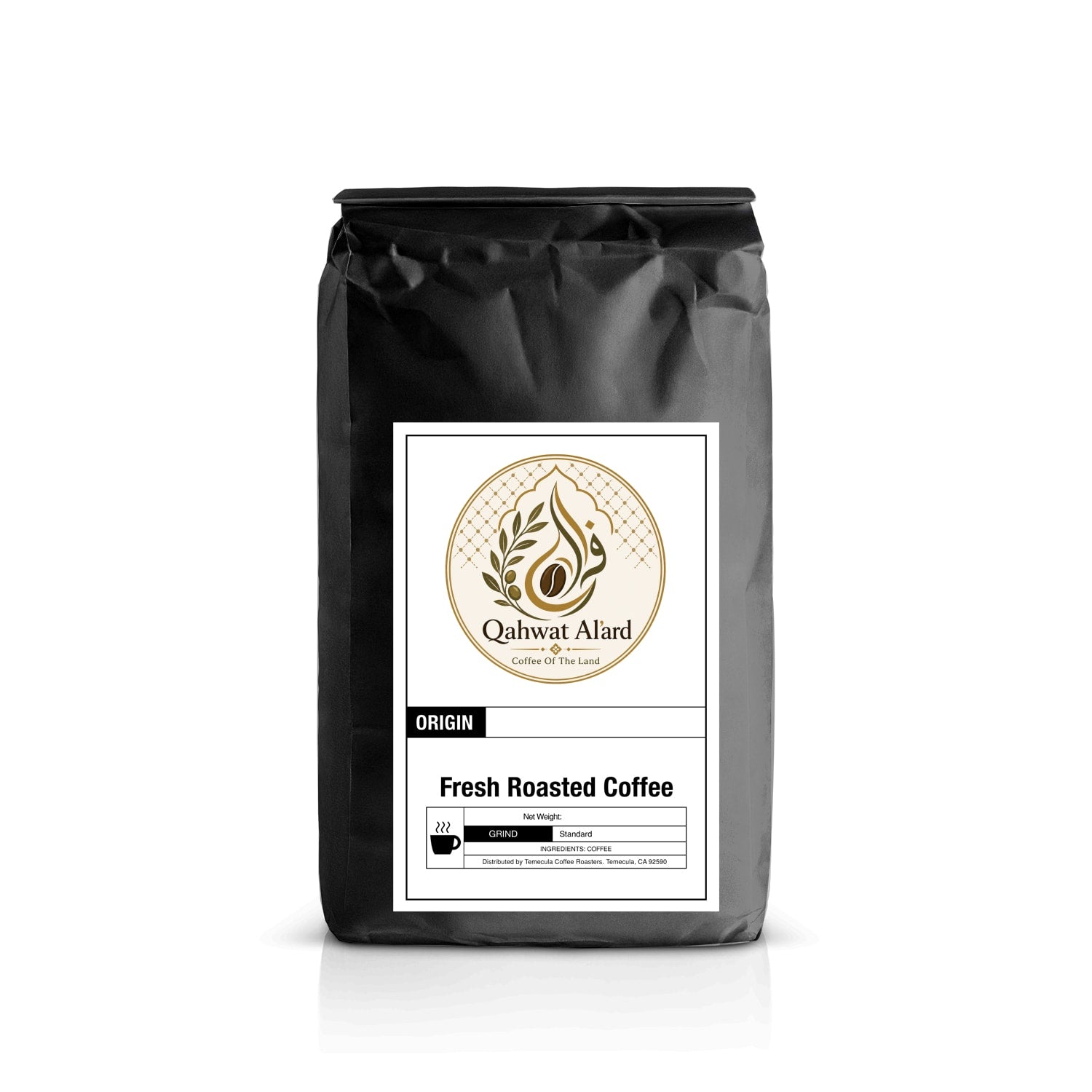
Single Origin Favorites Sample Pack This is the pack to start with if you care about origin more than flavor gimmicks. It bundles several single-origin beans from growing regions like Colombia, Peru, and Bali so you can taste how terroir changes a cup before you decide whether you even want flavoring added. Best for: coffee drinkers who want to understand what “single origin” actually tastes like, and gift buyers who don’t know a recipient’s flavor preference. Standout note: bright, distinct regional character in every pouch. Format: small-batch sample sizes, whole bean.
Practical tip: Use this pack to build a baseline palate before jumping into flavored roasts. Once you know which origin you like unflavored, you’ll pick flavored versions of that same bean instead of guessing.
Instant Coffee Instant gets a bad reputation it doesn’t always deserve anymore. Qahwat Al’Ard’s instant coffee format is built for speed: travel, camping, or mornings when a full brew isn’t happening. Best for: people who want flavored coffee without any equipment, plus anyone gifting a coffee lover who travels often. Standout note: quick dissolve with no sediment, so the flavor profile stays clean. Format: single jar or stick packs, dissolves in hot water.
Practical tip: Instant coffee is pre-ground down to a near-powder, so grinder oil residue is a non-issue here. It’s the lowest-maintenance way to try a new flavor.
12 Pack Single Serve Coffee Capsules If convenience is the priority, capsules solve the biggest flavored coffee problem: they never touch your grinder. Best for: office use, small households, or anyone who wants a consistent cup without measuring anything. Standout note: portion control means every cup tastes the same as the last one, which matters more with flavored coffee than plain roasts. Format: 12-count box, single-serve.
Practical tip: Capsules are the safest format for flavor oils. Since the coffee is pre-ground and sealed, there’s no oily buildup to worry about on your equipment.
Max Caf Blend This is the pick for people who want flavor complexity without losing caffeine strength. The Max Caf Blend leans into a bolder roast profile, so it holds up under milk, cream, or a splash of syrup without going flat. Best for: drinkers who take their coffee with add-ins and want a base strong enough to support them. Standout note: robust body that doesn’t wash out under sweeteners. Format: whole bean or ground, standard bag size.
Practical tip: Pair this blend with a French press if you want maximum body, since the immersion method pulls more oils and weight out of a bolder roast.
Bali Blue Bali Blue is a single-origin bean, not a flavored one, and that’s exactly why it belongs on this list. It’s the palate-training counterpoint to every flavored option here. Best for: readers who want to understand what “natural flavor” in coffee actually means before they add anything artificial. Standout note: earthy, low-acid profile typical of Indonesian beans. Format: whole bean, roast-to-order.
Practical tip: Taste this one black before you try any flavored roast. It resets your palate so you can tell the difference between a coffee’s native character and an added flavor coating.
Mexico Coffee Pods Mexico Coffee Pods bring a nutty, mild-bodied Mexican origin into a pod format, which makes it an easy entry point for anyone who owns a pod machine and wants traceable sourcing without switching brewing systems. Best for: pod-machine owners who don’t want to sacrifice bean quality for convenience. Standout note: smooth, low-bitterness cup that works well with light flavor add-ins like cinnamon. Format: pod, single-serve.
Practical tip: If you want a lightly spiced cup, add your own cinnamon or nutmeg to the pod’s grounds bin instead of buying pre-flavored pods. You control the intensity that way.
Peach Paradise This is one of the more adventurous flavors in the lineup, built for drinkers who want dessert-style coffee that leans fruity rather than nutty or chocolaty. Best for: warm-weather drinking, iced coffee, or anyone bored of the usual vanilla-hazelnut rotation. Standout note: bright, fruit-forward aroma that works especially well cold-brewed. Format: whole bean or ground.
Practical tip: Fruit-flavored coffees tend to shine more as iced drinks than hot ones, since cold extraction highlights the top-note aromatics instead of muting them with heat.
English Breakfast Technically a tea reference by name, but Qahwat Al’Ard’s English Breakfast coffee roast is built to answer the same craving: a strong, straightforward, no-frills morning cup. Best for: traditionalists who want a reliable daily driver without flavor experimentation. Standout note: balanced, medium-roast profile that plays well with milk and sugar. Format: whole bean or ground, standard bag.
Practical tip: Keep one bag of this on hand as your “control” cup. It’s useful for resetting your palate between flavor tastings.
- Sample pack first, full bag second — that’s the smartest sequence for anyone new to flavored coffee.
- Pods and instant carry the lowest risk for your equipment since the coffee never touches a home grinder.
- Fruit and dessert flavors (Peach Paradise, hazelnut, caramel) reward experimentation with brew temperature and method more than straight roasts do.
Pro Tip: If you’re not sure which flavor profile fits your taste, order the sample pack before committing to a full bag of any single flavor. It costs less to be wrong about a two-ounce pouch than a full pound.
What Should You Look For When Buying Flavored Coffee?
Flavor fidelity is the single biggest differentiator between a good flavored coffee and a bad one. Some brands use natural extracts derived from real vanilla, hazelnut, or fruit sources, while others rely on synthetic flavor compounds engineered purely for shelf stability and cost. Neither approach is automatically inferior, but natural flavored coffee beans tend to taste rounder and less chemical on the finish, while synthetic versions can taste sharper or slightly artificial once the cup cools.
Roast level and origin change how well a flavor comes through. A light roast holds onto more of its original acidity and origin character, which can clash with a heavy flavor coating. Medium and medium-dark roasts, by contrast, mellow out the bean’s natural notes and give added flavors more room to sit on top without a fight. That’s part of why so many flavored coffees default to a medium-dark base.
Format matters more than most buyers realize:
- Whole bean preserves aroma longest but risks grinder damage from oily flavor coatings.
- Pre-ground sacrifices a little freshness window but keeps your grinder clean.
- Pods and capsules offer the most consistency and zero equipment risk, at a higher per-cup cost.
- Instant trades depth of flavor for speed and shelf stability.
Grinder care deserves its own callout. Flavor coatings can leave oily residue that clogs burrs and gums up grinder mechanisms, which is why many coffee professionals recommend buying flavored coffee pre-ground or in pod form rather than running flavored whole beans through a home grinder built for plain roasts.
Read the label before you buy. A roast date within the last few weeks matters more for flavored coffee than plain coffee, since added oils can go stale faster than the bean itself. Check the ingredient list for added sugar or visible spice particles, and look for traceability claims tied to a specific farm or cooperative rather than a vague “ethically sourced” tagline.
Statistic Callout: One large editorial roundup brewed and tasted 17 to 18 brands and more than 30 individual flavors before settling on its top picks, which tells you how much variation exists even among established flavored coffee brands.
Price expectations should track quality signals, not marketing language. Expect to pay a premium when a brand uses small-batch flavoring runs or builds its flavored line on a single-origin base rather than a generic commodity blend. That premium usually buys you a cleaner flavor integration and a base bean worth tasting on its own.
How Are Coffee Beans Flavored?
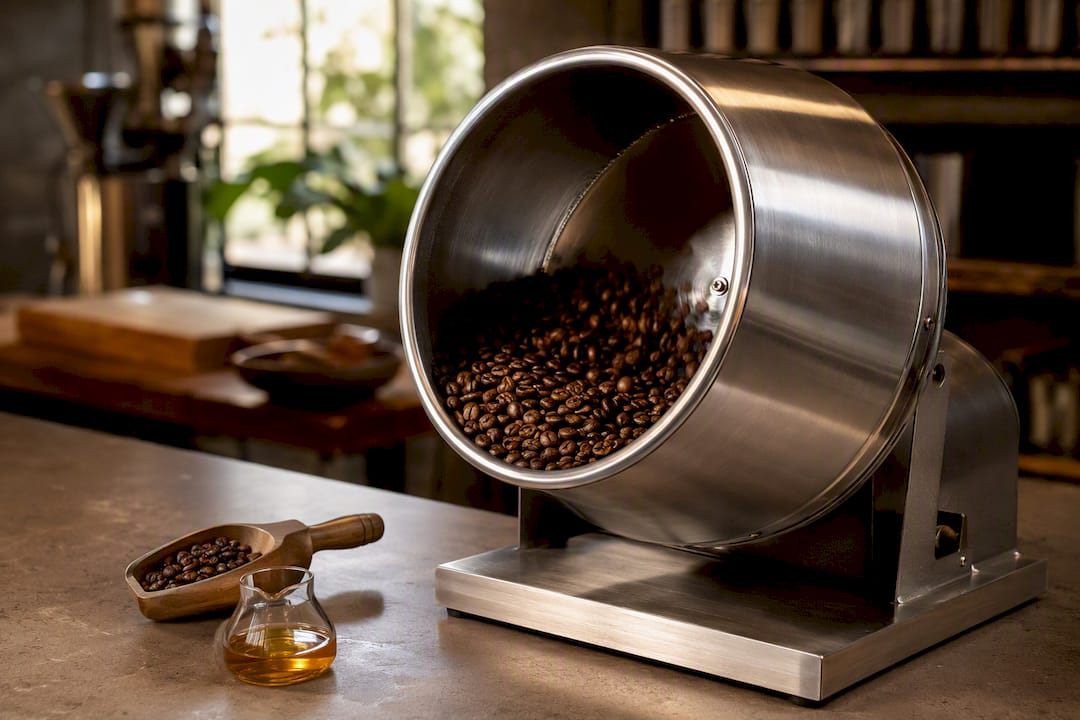
Most commercial flavored coffee starts the same way: roast the beans first, then apply flavor after the fact. Roasters typically coat warm, freshly roasted beans with concentrated flavor oils and tumble them mechanically to spread the flavor evenly across every bean’s surface. This coating and tumbling process can take 15 to 30 minutes depending on batch size and equipment, which is fast compared to how long the beans spent roasting.
Some of those oils come from natural extracts. Plenty come from synthetic compounds engineered to survive shipping, shelf time, and heat exposure better than a true extract would. Roasters flavor beans for a few practical reasons beyond just taste appeal: consistency across large batches, variety without sourcing dozens of unique origins, and, less flatteringly, sometimes to mask the flavor of older or lower-grade beans that wouldn’t sell well unflavored.
That last point matters for how you evaluate what you’re buying. Flavored coffees are often built to be aroma-forward rather than taste-forward, which means the smell hits you immediately but the flavor sitting underneath that scent can be thinner than expected. A well-made flavored coffee still lets the base bean’s character come through beneath the coating instead of burying it entirely.
- Surface coatings tend to fade faster than flavor that’s integrated into the bean itself, which is part of why freshness windows matter more here than with plain roasts.
- Oil-based coatings are the direct cause of grinder gunk buildup, not a myth.
- Natural at-home alternatives skip the industrial process entirely and often produce a cleaner result.
If you want a DIY approach, two low-effort methods work well. Add a small measured amount of ground spice like cinnamon or nutmeg directly to your grounds before brewing. Or, for a gentler vanilla character, store whole beans in an airtight jar with a split vanilla bean for a day or two before grinding, which lets the aroma transfer without any chemical solvents involved.
Pro Tip: Skip pre-flavored beans entirely if you already have a favorite single-origin bag on hand. A pinch of cinnamon or a vanilla bean in the storage jar gets you 80 percent of the flavor experience with none of the grinder risk.
How Do You Brew Flavored Coffee for the Best Flavor?
Grind size and brew method should match your format, not just your taste preference. Drip machines want a medium grind, French press wants coarse, and pods or capsules have the grind decision made for you already. Instant coffee skips grinding altogether since it’s already dissolved into soluble form.
Water temperature affects flavored coffee more than people expect. Water that’s too hot, above roughly 205°F, pulls out extra bitterness that can clash with a coating already carrying sweetness, leaving you with a cup that tastes both bitter and cloying at once. Aim closer to 195 to 200°F for flavored roasts specifically.
- Use a slightly lower dose than you would for plain coffee if the flavor coating already carries noticeable sweetness, so the cup doesn’t turn syrupy.
- Brew hot methods (drip, pour-over) at 195 to 200°F to avoid over-extracting bitter compounds.
- Save iced or cold brew methods for fruit-forward flavors like peach or berry, since cold extraction favors bright top notes.
- Add your own flavorings, like a small measured dash of cinnamon per America’s Test Kitchen’s guidance of about 1/8 teaspoon of ground spice per cup, if you want to control intensity rather than relying on a pre-flavored bag.
- If a cup tastes weak, increase your dose slightly before assuming the flavor itself failed. If it tastes cloying, cut back on any added syrup and let the bean’s own coating do the work.
Understanding your brewer’s early extraction stage helps too. Reviewing how coffee bloom works can improve extraction evenness on any format, flavored or not, since a proper bloom releases trapped gas before the real extraction begins.
Where Does Qahwat Al’Ard’s Coffee Come From?
Traceability isn’t a marketing line here. Qahwat Al’Ard sources beans with documented origin from growing regions including Colombia, Peru, Bali, and Uganda, and roasts to order rather than sitting on pre-roasted stock. That matters directly for flavored coffee, since a fresher base bean holds a flavor coating better than one that’s already gone stale.
For readers who want to dig into origin-specific flavor differences before adding anything to the bean itself, the Top Ethiopian Coffee Beans Ranked by Flavor and Region breakdown covers how growing region shapes cup character. The Types of Artisan Roasted Beans guide explains how roast level interacts with flavor development, which is directly relevant if you’re deciding between a light roast and a medium-dark base for a flavored purchase.
- Full traceability back to specific growing regions, not just a country of origin.
- Roast-to-order fulfillment instead of long shelf storage before sale.
- A dedicated sample pack built specifically for readers who want to test multiple flavors before buying a full bag.
When Should You Choose Flavored Coffee Over Single-Origin?
Flavored coffee earns its place around holidays, dessert pairings, and gift-giving, where a crowd-pleasing profile beats a subtle, palate-specific one. It’s also the friendlier option for someone still building their coffee vocabulary, since a hazelnut or caramel note gives them something familiar to latch onto.
Natural single-origin beans win when you’re training your palate or want tasting clarity. You can’t learn what a Peruvian or Balinese bean actually tastes like if a flavor coating is sitting on top of it. The honest compromise is a sample pack that rotates through both categories, letting you taste origin character on its own and see how flavor coatings interact with it on separate days.
— Yasin Sofyian Ayesh
Ready to Try Qahwat Al’Ard’s Flavored Coffee?
You’ve got other ways to find flavored coffee: grocery store shelves stocked with mass-market brands, or big-box roasters selling flavor as the main event instead of the bean underneath. Qahwat Al’Ard takes the opposite approach. Every flavored product still starts with a traceable, roast-to-order base bean, so you’re not paying for a coating on top of stale commodity coffee.
Start with the Flavored Coffees Sample Pack if you want to compare multiple flavors side by side before committing. Prefer convenience over variety? The 12 Pack Single Serve Coffee Capsules skip the grinder-care question entirely, and the Instant Coffee format works for anyone who wants flavor on the go. Order the sample pack first, find your favorite, then commit to a full bag with confidence.
Sources
- 8 Best Flavored Coffee Brands for Tasty Morning Brews
- How Roasters Add Vanilla, Hazelnut, And Other Flavors To Coffee Beans
- What to add to coffee
- The dark side of flavored coffee
FAQ
What Are the Most Flavorful Coffee Beans?
Beans flavored with concentrated natural extracts, like vanilla or hazelnut oils applied post-roast, tend to deliver the strongest, most immediate flavor impact, though a well-balanced blend keeps the base bean’s character detectable underneath.
Which Flavored Coffee Is Best?
The best flavored coffee balances real bean character with a flavor coating that complements rather than covers it. Qahwat Al’Ard’s Flavored Coffees Sample Pack is built around that exact standard, using traceable single-origin bases under each flavor.
What Is the Most Popular Flavored Coffee?
Vanilla and hazelnut remain the most widely purchased flavors across the category, largely because both pair easily with milk and sugar without clashing with a medium roast’s natural notes.
What Are the Best Smelling Coffee Beans?
Flavored coffees built around vanilla, caramel, and fruit notes like peach tend to have the strongest aroma, since flavored coffee is often designed as an aroma-forward product where scent hits before taste does.


