


TL;DR:
- Whole bean coffee preserves aromatic compounds and CO2, resulting in fresher and more flavorful brews. Proper storage and immediate grinding before brewing maintain freshness, aroma, and health benefits. Using a quality burr grinder optimizes extraction and enhances the coffee experience.
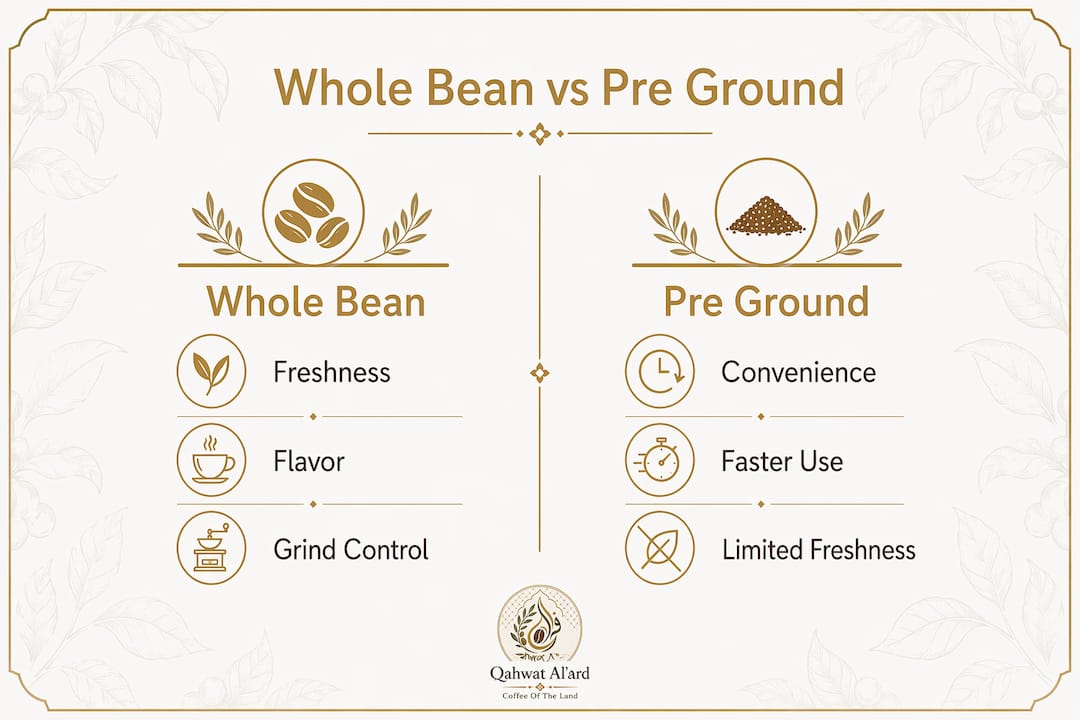
Whole bean coffee is the superior choice for flavor and freshness because grinding just before brewing preserves volatile aromatic compounds that pre-ground coffee loses within minutes. The debate around whole bean vs pre ground coffee comes down to one core fact: once a bean is ground, its surface area explodes and oxygen attacks the flavor compounds immediately. Pre-ground coffee trades that complexity for convenience. Understanding what actually happens at the chemical level helps you decide which format fits your brewing goals and lifestyle.
How does grinding affect coffee flavor and freshness?
Grinding coffee triggers rapid chemical decay. Up to 60% of volatile aromatic compounds are lost within 15 minutes after grinding due to increased oxygen exposure. That means the floral, fruity, or chocolatey notes you paid for in a specialty bean can vanish before your kettle boils.
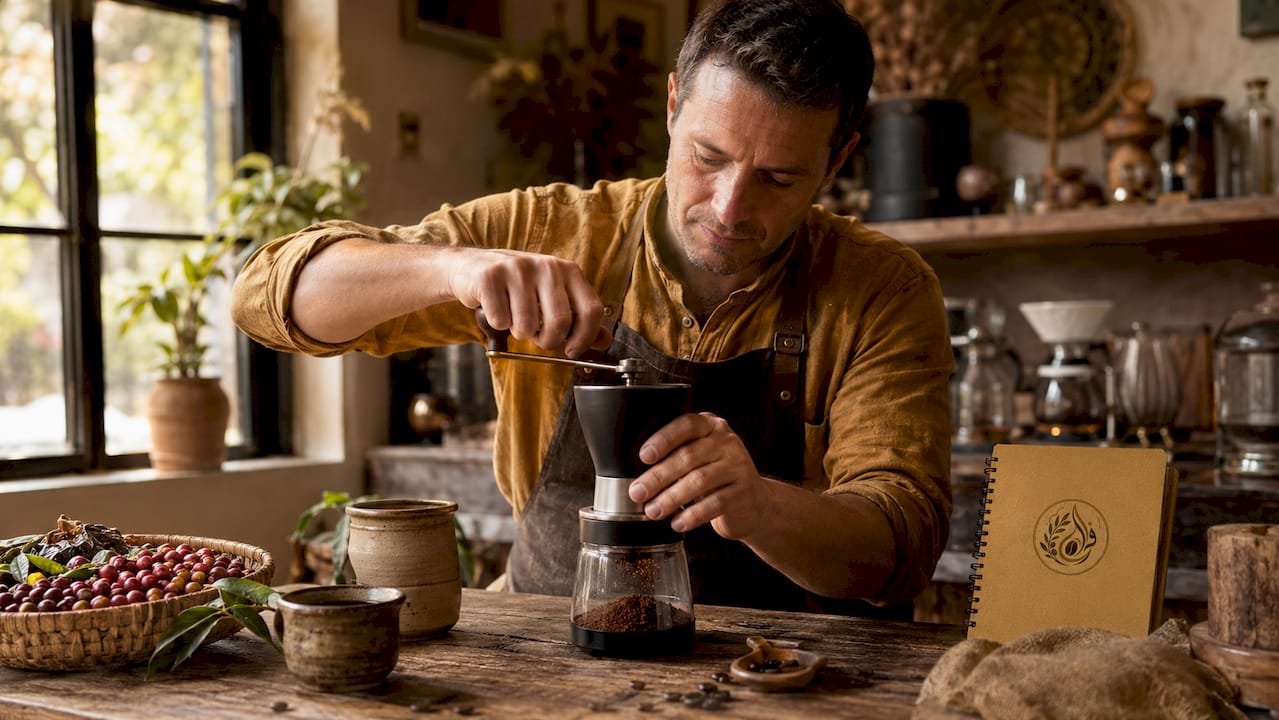
Pre-ground coffee stales roughly 15 times faster than whole beans. That gap exists because the intact bean shell acts as a natural barrier against oxygen, moisture, and light. The moment you grind, that protection disappears entirely.
CO2 plays a critical role that most coffee drinkers overlook. Whole beans trap CO2 produced during roasting, and that gas drives the bloom when hot water hits the grounds. CO2 retained in whole beans slows water flow during brewing, creating even extraction and a more balanced cup. Pre-ground coffee has already off-gassed most of its CO2, which causes water to rush through too fast, leading to channeling and uneven extraction. The result is a cup that tastes either bitter or sour depending on your brew method.
Key effects of grinding on coffee chemistry:
- Oxygen exposure accelerates oxidation of lipids and aromatic compounds
- CO2 loss reduces bloom effectiveness and extraction control
- Moisture absorption increases, softening flavor clarity
- Volatile organic compounds degrade within minutes, not hours
Pro Tip: Grind only what you need immediately before brewing. Even grinding 30 minutes early causes measurable aroma loss compared to grinding right before the water hits the grounds.
To understand how extraction chemistry connects to grind timing, the coffee extraction flavor guide from Qahwatalard breaks down the full process in plain language.
How should you store whole bean and pre-ground coffee?
Storage is where most coffee drinkers lose freshness without realizing it. Whole beans retain peak freshness about 7 days after opening when kept in an airtight container. Pre-ground coffee degrades significantly within 24 hours if exposed to air. Opened pre-ground coffee left for one month has the chemical equivalent of a whole-bean bag roasted over a year ago. That comparison alone explains the flavor gap most people notice.
The refrigerator is not your friend here. Storing coffee in the refrigerator or freezer commonly introduces moisture that damages the oils responsible for body and aroma. Room temperature airtight containers outperform cold storage for everyday use. Vacuum sealing works well for long-term storage, but it is rarely practical for a bag you open every morning.
Best storage practices for maximum freshness:
- Use an opaque, airtight container with a one-way CO2 valve
- Store at room temperature, away from heat sources and direct sunlight
- Buy whole beans in quantities you will use within two weeks
- Never store coffee near your stove, spice rack, or a sunny window
- If freezing is necessary, portion beans into single-use bags and freeze only once
Pro Tip: Ceramic or stainless steel containers with airtight lids outperform resealable plastic bags. The bag your beans came in is rarely airtight enough for more than a day or two after opening.
Does whole bean coffee taste better and is it healthier?
Whole bean coffee consistently tastes fresher, more aromatic, and more complex than pre-ground coffee brewed from the same origin. The flavor difference is not subtle when the beans are specialty grade. Pre-ground coffee convenience comes at a direct taste cost because the aromatic compounds responsible for brightness and complexity are already gone by the time you brew.
On the health side, the gap between whole bean and pre-ground is smaller than most people expect. Nutritional differences between whole bean and ground coffee are minimal, with brewing technique mattering more than form. Brewing for 6 minutes and using paper filters can boost flavonoid extraction and reduce LDL cholesterol-related compounds regardless of whether you started with whole beans or pre-ground.
Where freshness does matter for health is antioxidant content. Polyphenols degrade through oxidation, so freshly ground coffee delivers higher antioxidant intake than pre-ground coffee that has been sitting in a bag for weeks. Daily consumption of freshly ground coffee is linked to reduced oxidative stress and lower inflammation risk over time. That benefit compounds across years of daily drinking.
“Maximizing coffee freshness preserves polyphenols that may lower risks of type 2 diabetes and heart disease over time. The difference between a fresh grind and a stale pre-ground bag is not just flavor. It is bioavailability.”
For a deeper look at how fresh roasted coffee affects both flavor and nutrition, Qahwatalard’s guide covers the science without the jargon.
Flavor advantages of whole bean coffee:
- Brighter acidity and more defined origin character
- Fuller aroma that hits before the first sip
- More complex finish with distinct tasting notes
- Better body and mouthfeel from intact lipid compounds
How does grind size control improve your brewing?
Grind size is the single most adjustable variable in brewing, and whole beans give you full control over it. Pre-ground coffee is optimized for no particular brewing method, which means it is a compromise that often produces extraction issues like bitterness or sourness depending on your equipment.
Different brewing methods require specific grind sizes to extract properly. The table below shows the relationship between method and grind:
| Brewing method | Grind size | Why it matters |
|---|---|---|
| French press | Coarse | Prevents over-extraction through mesh filter |
| Pour-over (V60, Chemex) | Medium-fine | Controls flow rate for clarity and brightness |
| Drip machine | Medium | Balances extraction across varied water temperatures |
| Espresso | Fine | Creates resistance for pressure-driven extraction |
| Cold brew | Extra coarse | Reduces bitterness during long steep times |
Fresh grinding enables grind size control that unlocks origin-specific flavors you simply cannot access with pre-ground coffee. A Yirgacheffe bean brewed as a pour-over at medium-fine grind tastes completely different from the same bean run through a drip machine at medium. Pre-ground coffee collapses that range into one setting that fits nothing perfectly.
Grinder quality matters as much as grind timing. Grinding consistency impacts cup clarity and balance more than raw bean quality. A good burr grinder improves flavor even from modest beans because it produces uniform particle sizes. Blade grinders create uneven fragments that extract at different rates, producing a muddy, inconsistent cup. High-consistency burr grinders outperform high-end pre-ground coffee on cup quality.
Pro Tip: A flat or conical burr grinder in the $80–$150 range produces dramatically more consistent results than any blade grinder. The investment pays off in every single cup.
For a full breakdown of grind sizes and which brewing methods they suit, Qahwatalard’s guide on coffee grind sizes is worth bookmarking.
Key Takeaways
Whole bean coffee delivers superior flavor, freshness, and brewing control because it preserves volatile compounds, CO2, and polyphenols that pre-ground coffee loses within minutes of grinding.
| Point | Details |
|---|---|
| Freshness window | Whole beans stay fresh about 7 days after opening; pre-ground degrades within 24 hours. |
| Flavor loss after grinding | Up to 60% of aromatic compounds disappear within 15 minutes of grinding. |
| Grind size control | Matching grind size to your brew method prevents bitterness and sourness. |
| Storage rule | Airtight containers at room temperature outperform refrigeration for both forms. |
| Health benefit | Freshly ground coffee retains more polyphenols, supporting antioxidant intake daily. |
Why I stopped buying pre-ground coffee years ago
The honest truth is that switching to whole beans felt like a bigger commitment than it actually was. I assumed grinding every morning would add friction to a routine I already had dialed in. What I found instead was that the grinder became the best part of the ritual.
The aroma alone from fresh grinding is something pre-ground coffee cannot replicate. You notice it immediately. The cup tastes cleaner, the origin character comes through, and you stop wondering why your expensive specialty beans taste flat. They were never flat. They were stale by the time you brewed them.
That said, pre-ground coffee has a real place. If you travel constantly, use a basic drip machine, or simply do not want to think about grind settings, pre-ground coffee from a quality roaster brewed fresh is still a good cup. The convenience of pre-ground coffee suits drip machines and immersion methods well. The gap matters most when you are chasing complexity in a pour-over or pulling espresso shots.
The upgrade that changed everything for me was not the beans. It was the burr grinder. Once grind consistency improved, even mid-range beans tasted noticeably better. If you are serious about your morning cup, start there. The beans are the second decision, not the first.
— Anthony-Yasin
Qahwatalard’s whole bean selection for serious coffee drinkers
Qahwatalard sources whole bean coffees directly from renowned growing regions, with full traceability from farm to bag. Every bean in the single-origin collection is selected for freshness, flavor complexity, and ethical sourcing, giving you the raw material to make grinding worthwhile.
If you want the full-throttle whole bean experience, the Max Caf Blend delivers strong, complex flavor built for fresh grinding. For days when convenience wins, the 60-pack single-serve pods give you consistent taste without any grinding required. Qahwatalard covers both ends of the spectrum without compromising on quality at either one.
FAQ
What is the main difference between whole bean and pre-ground coffee?
Whole bean coffee preserves volatile aromatic compounds and CO2 until the moment of grinding, while pre-ground coffee begins losing those compounds immediately after processing. The result is a noticeably fresher, more complex flavor in the cup.
How long does pre-ground coffee stay fresh after opening?
Pre-ground coffee degrades significantly within 24 hours of being exposed to air. After one month, opened pre-ground coffee has the chemical equivalent of a whole-bean bag roasted over a year ago.
Does grinding your own coffee actually make a difference in taste?
Yes. Coffee loses up to 60% of its volatile aromatics within 15 minutes of grinding, so freshly ground coffee delivers measurably more aroma and flavor complexity than pre-ground coffee brewed from the same beans.
Is whole bean coffee healthier than pre-ground?
The nutritional difference is small, but freshly ground coffee retains more polyphenols because oxidation has not yet degraded them. Daily consumption of freshly ground coffee is associated with reduced oxidative stress compared to stale pre-ground alternatives.
Do I need an expensive grinder to benefit from whole beans?
A burr grinder in the $80–$150 range produces consistent particle sizes that improve extraction quality significantly. Grind consistency impacts cup clarity more than bean quality, so even a mid-range burr grinder outperforms a blade grinder on every brew.


