


TL;DR:
- Specialty coffee brewing methods extract unique flavors by varying water contact, pressure, and time. The main categories—percolation, immersion, and pressure—produce distinct taste profiles, from bright and clean to rich and bold. Choosing the right method depends on your flavor preferences, skill level, and daily routine.
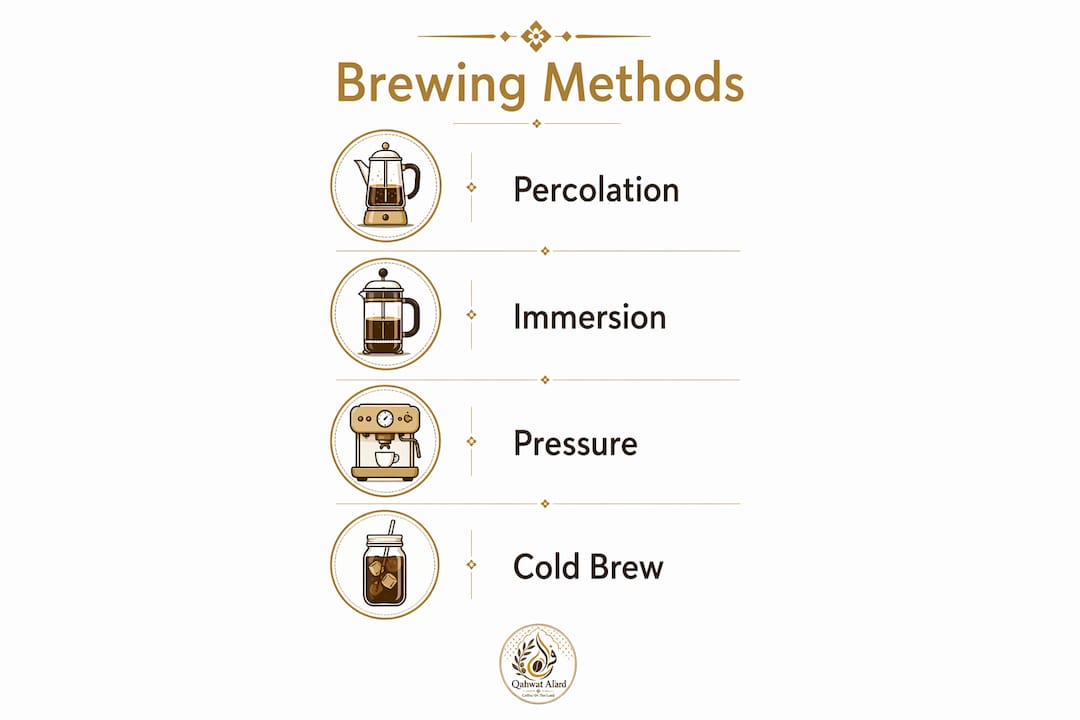
Specialty coffee brewing methods are processes that extract unique flavors from coffee beans by varying water contact, pressure, time, and filtration. The Specialty Coffee Association recognizes three core brewing categories: percolation, immersion, and pressure extraction. Each category produces a distinctly different cup in terms of body, clarity, and acidity. Your method choice is not just a preference. It is the single biggest variable between a flat, forgettable cup and one that expresses the full character of the bean.
What are the main specialty coffee brewing methods and how do they differ?
The three brewing categories produce fundamentally different results because of how water interacts with the grounds. Understanding the difference sets the foundation for every brewing decision you make.
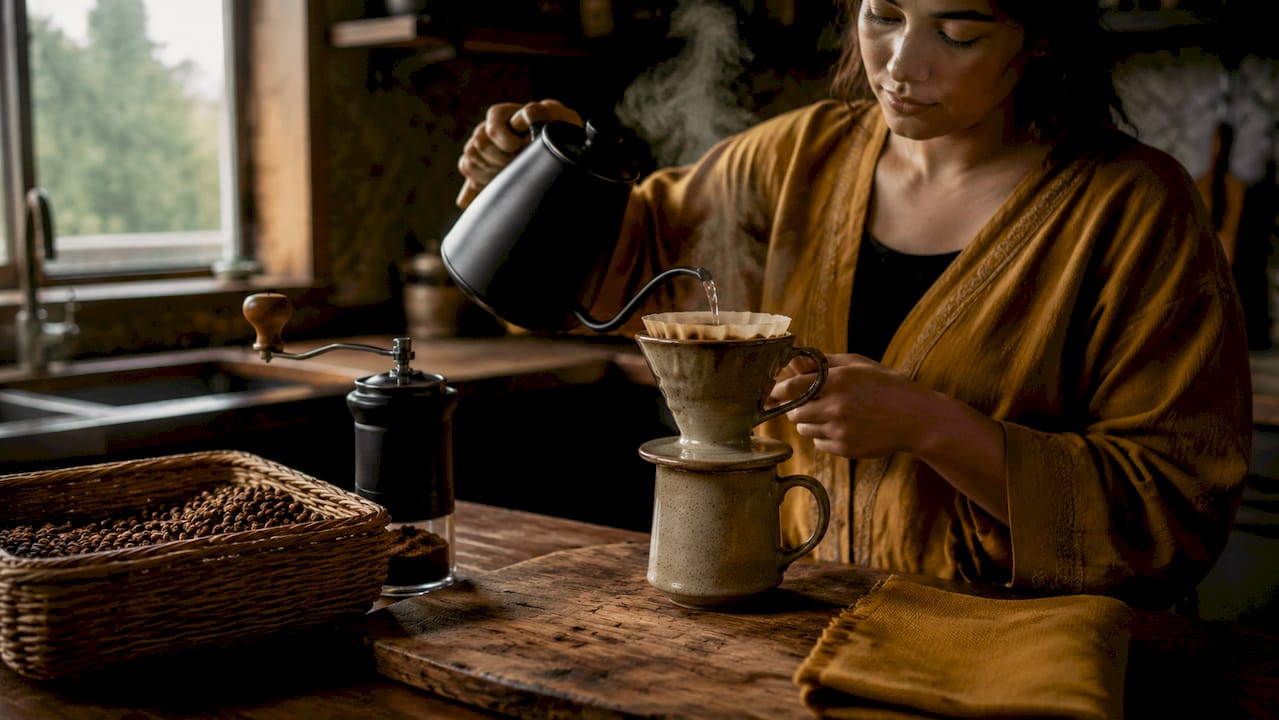
Percolation methods use gravity to pull water through a bed of coffee grounds and a filter. Pour over and Chemex are the most recognized examples. The paper filter traps oils and fine particles, producing a clean, bright, and tea-like cup that highlights origin flavors. This is why single-origin coffees often shine brightest through a pour over.
Immersion methods work the opposite way. The grounds soak fully in water for a set time before separation. French press uses a metal mesh filter that lets oils pass through, creating a heavy, textured mouthfeel. The result is a fuller, richer cup with more body than any percolation method can produce.
Pressure methods force hot water through tightly packed, finely ground coffee at high speed. Espresso is the defining example. The pressure concentrates flavor and creates crema, the golden foam layer that signals a well-pulled shot.
| Category | Method examples | Filter type | Flavor profile |
|---|---|---|---|
| Percolation | Pour over, Chemex, drip | Paper | Clean, bright, high clarity |
| Immersion | French press, cold brew | Metal mesh or none | Full body, rich, textured |
| Pressure | Espresso, moka pot | Pressurized basket | Concentrated, bold, crema |
Pro Tip: If you are new to specialty coffee preparation, start with French press. It requires no special pouring technique and consistently produces a full-bodied cup with minimal effort.
How do popular brewing methods work in practice?
Each method has specific mechanics that directly shape what ends up in your cup. Knowing those mechanics lets you troubleshoot problems and dial in better results.
Pour over
Pour over devices like the Hario V60 and Chemex produce a clean, bright cup by emphasizing bean origin flavors. You grind medium-fine, heat water to 195–205°F, and pour in slow, controlled circles over a 3–4 minute brew. The paper filter removes oils and solids entirely. The result tastes lighter and more delicate than immersion methods, which makes it ideal for showcasing high-quality single-origin beans from places like Ethiopia or Peru. A step-by-step home brewing guide can help you build the technique from scratch.
French press
French press is the most forgiving immersion method available. You add coarsely ground coffee, pour hot water, and steep for about four minutes before pressing the plunger. No paper filter and no pouring technique are required. The metal mesh lets oils stay in the cup, which creates that signature heavy mouthfeel. French press rewards beginners because the margin for error is wide and the results are consistently satisfying.
Espresso
Espresso uses approximately 9 bars of pressure to force hot water through a fine grind in 25–30 seconds. The resulting shot is small in volume but enormous in flavor concentration. Crema forms on top when dissolved gases escape during extraction. Espresso is also the base for lattes, cappuccinos, and flat whites, making it the most versatile method if you enjoy milk-based drinks.
Cold brew
Cold brew steeps coarsely ground coffee in cold water for 12–24 hours, producing a low-acid, naturally sweet concentrate. You dilute it at roughly a 3:1 ratio with water or milk before drinking. The long, cold extraction skips the heat that normally draws out acidic compounds. The result is smooth and easy to drink, which makes cold brew popular with people who find hot coffee too sharp.
Moka pot and AeroPress
The moka pot uses steam pressure to push boiling water through finely ground coffee, collecting a strong brew in the upper chamber. It produces coffee stronger than drip but lighter than espresso, with a toasty, slightly bitter edge. The AeroPress is a hybrid device that combines immersion and pressure, giving you control over both steep time and extraction speed. Both are affordable, portable, and well suited to brewers who want flexibility without a large machine.
Pro Tip: For cold brew, use a coffee-to-water ratio of 1:4 or 1:5 during steeping. This produces a concentrate you can dilute to taste rather than a single-strength brew that goes flat quickly.
What technical variables control flavor in specialty coffee?
The best coffee brewing techniques share one thing: precise control over four variables. Get these right and the method almost takes care of itself.
Grind size
Grind size determines extraction rate more than almost any other variable. Coarser grinds suit immersion methods like French press because the grounds sit in water longer. Finer grinds are required for espresso so that pressure can push through the packed bed in under 30 seconds. Using the wrong grind size for your method causes either under-extraction (sour, weak) or over-extraction (bitter, harsh). A dedicated burr grinder gives you consistent particle size, which is the single best equipment upgrade you can make. The guide to coffee grinds at Qahwatalard breaks down the right size for each method clearly.
Water temperature
Water between 195°F and 205°F dissolves sugars, acids, and aromatic oils without pulling out the bitter compounds that live deeper in the bean. Water below 195°F under-extracts and leaves the cup tasting sour and thin. Water above 205°F scorches the grounds and produces a harsh, bitter result. Cold brew is the only method that intentionally bypasses this range, using time instead of heat to achieve extraction.
Coffee-to-water ratio
Ratios vary significantly by method. Pour over and drip typically use a 1:15 to 1:17 ratio. Espresso uses a concentrated 1:8 ratio. Cold brew concentrate sits at 1:4 or 1:5 before dilution. Adjusting the ratio is the fastest way to change strength without changing anything else. If your cup tastes weak, use more coffee before adjusting grind or temperature.
| Method | Grind size | Water temp | Ratio | Brew time |
|---|---|---|---|---|
| Pour over | Medium-fine | 195–205°F | 1:15 to 1:17 | 3–4 min |
| French press | Coarse | 195–205°F | 1:15 | 4 min |
| Espresso | Fine | 195–205°F | 1:8 | 25–30 sec |
| Cold brew | Coarse | Cold/room temp | 1:4 to 1:5 | 12–24 hrs |
| Moka pot | Medium-fine | Boiling | 1:7 | 5–7 min |
Common beginner mistakes to avoid:
- Using pre-ground coffee from a bag opened weeks ago (stale grounds kill flavor regardless of method)
- Skipping the bloom step in pour over (a 30-second pre-wet releases CO2 and improves extraction)
- Pressing the French press plunger too fast (slow, steady pressure prevents grounds from escaping the mesh)
- Ignoring water quality (filtered water free of chlorine makes a measurable difference in taste)
How to choose the right brewing method for your taste and lifestyle
The right method is the one that matches both your flavor preferences and your daily routine. Choosing based on equipment alone is the most common mistake beginners make.
Start with flavor. If you want a clean, bright cup that highlights the origin character of a bean, percolation methods like pour over or Chemex are the right fit. If you prefer a rich, full-bodied cup with texture, French press or cold brew will satisfy you more. If you want intensity and the ability to make milk drinks, espresso is the clear choice. Exploring how processing methods shape flavor before you buy beans helps you match the right coffee to the right method.
Consider your time and skill level honestly:
- Pour over: Requires attention and a steady hand. Best for mornings when you have 10 minutes and want a meditative ritual.
- French press: Requires almost no technique. Best for beginners or anyone who wants a reliable cup without fuss.
- Espresso: Requires practice, a quality machine, and a good grinder. Best for enthusiasts willing to invest time and money.
- Cold brew: Requires planning ahead. Best for people who batch brew and want coffee ready in the fridge all week.
- AeroPress: Requires minimal gear and is highly forgiving. Best for travelers or anyone who wants to experiment with different coffee brewing techniques at low cost.
Equipment cost matters too. A French press costs under $30. A quality pour over setup runs $50–$100 with a decent grinder. A home espresso machine capable of true 9-bar pressure starts at $300 and climbs quickly. The premium coffee gear guide at Qahwatalard gives a practical breakdown of what is worth spending on at each level.
Key Takeaways
The brewing method you choose controls flavor, body, and clarity more than the coffee brand on the bag.
| Point | Details |
|---|---|
| Three core categories | Percolation, immersion, and pressure extraction each produce a distinct flavor profile and body. |
| Grind size is critical | Match grind size to your method: coarse for French press, fine for espresso, medium-fine for pour over. |
| Water temperature window | Brew between 195°F and 205°F to extract flavor without bitterness, except for cold brew. |
| Ratio controls strength | Adjust your coffee-to-water ratio before changing grind or temperature when troubleshooting weak cups. |
| Match method to lifestyle | Choose based on flavor preference and daily time available, not just equipment cost. |
Why I think most beginners pick the wrong method first
Most people start with espresso because it looks impressive. I understand the appeal. A machine on the counter signals commitment. But espresso is genuinely the hardest method to dial in. The margin between a good shot and a bitter, channeled mess is measured in seconds and grams. Starting there sets beginners up for frustration before they have even learned what good coffee tastes like.
My honest recommendation is to start with French press or a simple pour over. Both methods teach you something real about extraction. French press shows you what full body and oil retention actually taste like. Pour over teaches you how water temperature and pour speed change the cup. Once you understand those variables through simple methods, espresso starts to make sense. You are not just pulling shots. You are applying principles you already understand.
The other thing I have noticed is that people underestimate the bean. A mediocre bean brewed perfectly still tastes mediocre. A great single-origin bean brewed with a $25 French press will outperform a poor bean pulled through a $500 espresso machine. Spend money on quality, traceable coffee first. The equipment conversation comes second. Qahwatalard’s single-origin collection is a good place to start that conversation with your palate before you invest in gear.
— Anthony-Yasin
What Qahwatalard offers for every brewing style
Qahwatalard sources specialty coffee from renowned growing regions worldwide, with a focus on traceability and quality that makes a real difference when you are brewing with intention.
Whether you brew pour over, French press, or espresso, the bean you start with shapes everything. Qahwatalard’s single-origin collection includes carefully selected beans matched to different brewing profiles, from bright Ethiopian naturals suited to pour over to dense, chocolatey lots that pull beautifully as espresso. For espresso lovers, the African Espresso is a standout option with a bold, fruit-forward character. If you want a versatile everyday option, the Gourmet Donut Shop blend works across multiple brew styles without compromise.
FAQ
What is the easiest specialty coffee brewing method for beginners?
French press is the easiest method for beginners. It requires no special technique, uses a coarse grind, and produces a consistently full-bodied cup after a four-minute steep.
What water temperature should I use for brewing specialty coffee?
Water between 195°F and 205°F produces the best results for most hot brewing methods. This range extracts sugars, acids, and aromatic oils without drawing out bitter compounds.
How does grind size affect my coffee’s flavor?
Grind size controls how fast water extracts from the grounds. Too coarse produces a sour, weak cup. Too fine produces a bitter, harsh one. Match grind size to your specific brewing method for balanced flavor.
What is the difference between pour over and French press?
Pour over uses a paper filter and gravity to produce a clean, bright cup with high clarity. French press uses a metal mesh filter and full immersion to produce a heavier, oilier cup with more body.
How long should cold brew steep?
Cold brew steeps for 12–24 hours in cold or room-temperature water. The result is a low-acid concentrate typically diluted at a 3:1 ratio with water or milk before drinking.


