

TL;DR:
- Light roast coffee is roasted to an internal temperature of 350°F to 400°F, preserving its origin flavors and bright acidity. It tastes fruity, floral, and tea-like with higher chlorogenic acid content, making it rich in antioxidants. Brewing requires weighing beans, using water at 200°F–205°F, and resting beans 7–14 days for optimal flavor.
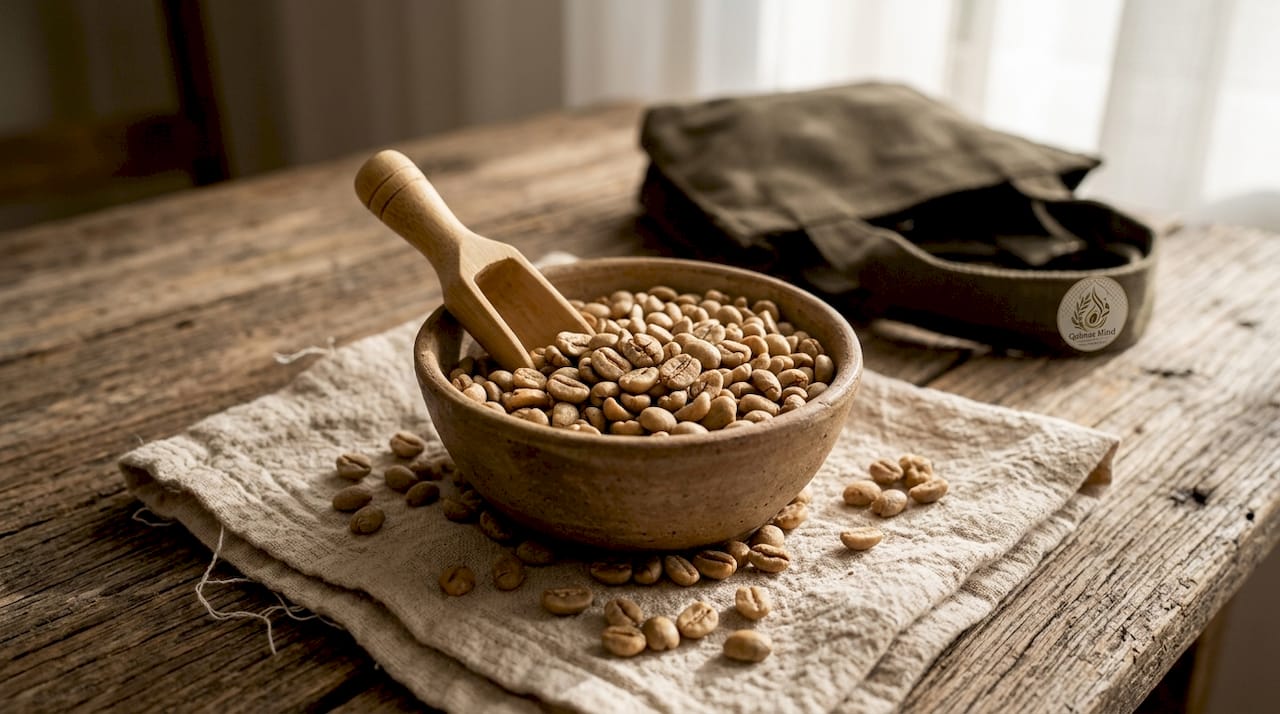
Light roast coffee is defined as coffee roasted to an internal temperature between 350°F and 400°F, stopped immediately after the first crack, producing a light brown, dry, matte bean with no surface oils. This roasting approach is the specialty coffee industry’s standard method for preserving a bean’s natural origin flavors, bright acidity, and complex aromatic compounds. If you have ever wondered why one cup tastes like blueberries and another like dark chocolate, the answer starts with roast level. Understanding what is light roast coffee gives you the foundation to choose, brew, and enjoy coffee with real intention.
What is light roast coffee and how does roasting shape the bean?
The roasting process transforms a raw green coffee bean into the aromatic, flavorful product you grind every morning. For light roasts, that transformation is deliberately restrained. Roasting stops at 350°F–400°F, right after the first crack, which is the audible pop caused by steam pressure building inside the bean. Stopping here preserves the bean’s original organic compounds and origin character.
Several physical and chemical changes happen at this roast level:
- Color: Light tan to medium brown, often called Cinnamon Roast or New England Roast in American roasting terminology.
- Surface: Completely dry and matte. No oils migrate to the surface because the bean has not been exposed to enough heat to push them out.
- Density: Light roast beans are denser and harder than darker roasts because they retain more internal moisture and expand less during roasting.
- Maillard reaction: This chemical reaction between amino acids and sugars begins at light roast temperatures, creating early-stage flavor complexity without the caramelization or carbonization that defines darker roasts.
- Chlorogenic acid: Light roasts retain significantly more chlorogenic acid than darker roasts. This compound is both a potent antioxidant and a contributor to the bean’s perceived brightness.
Medium and dark roasts push past the second crack, driving off moisture, breaking down chlorogenic acid, and forming melanoidins. Those melanoidins create the bittersweet, smoky, or nutty notes that define darker cups. Light roasts skip that phase entirely, which is why they taste so different. You can read more about how roasting shapes flavor at every stage in Qahwatalard’s roasting guide.
Pro Tip: If your light roast tastes flat or grassy, the beans may be underroasted or too fresh. Most specialty roasters recommend resting light roast beans for 7–14 days after the roast date before brewing.
What does light roast coffee taste like?
Light roast coffee flavor is defined by bright acidity, delicate fruit notes, and a lighter body compared to darker roasts. The acidity reads as brightness or liveliness on the palate, not harshness. Preserved organic acids like citric and malic acid are responsible for this quality. They are the same acids found in citrus fruit and apples, which explains why light roast cups often taste fruity without any fruit being added.
Common flavor notes in light roast coffee include:
- Fruity: Berry, stone fruit, citrus, and tropical fruit, depending on origin.
- Floral: Jasmine, rose, and hibiscus notes, especially in Ethiopian single-origins.
- Tea-like body: Lighter mouthfeel with a crisp, clean finish rather than the heavy, syrupy texture of dark roasts.
- Sweetness: A natural, delicate sweetness that comes from preserved sugars rather than caramelization.
Origin characteristics become far more obvious in light roasts than in darker ones. A Yirgacheffe from Ethiopia tastes unmistakably different from a Huila from Colombia when both are lightly roasted. Darker roasting tends to homogenize those differences, replacing origin nuance with roast character. Light roasting lets the terroir speak.
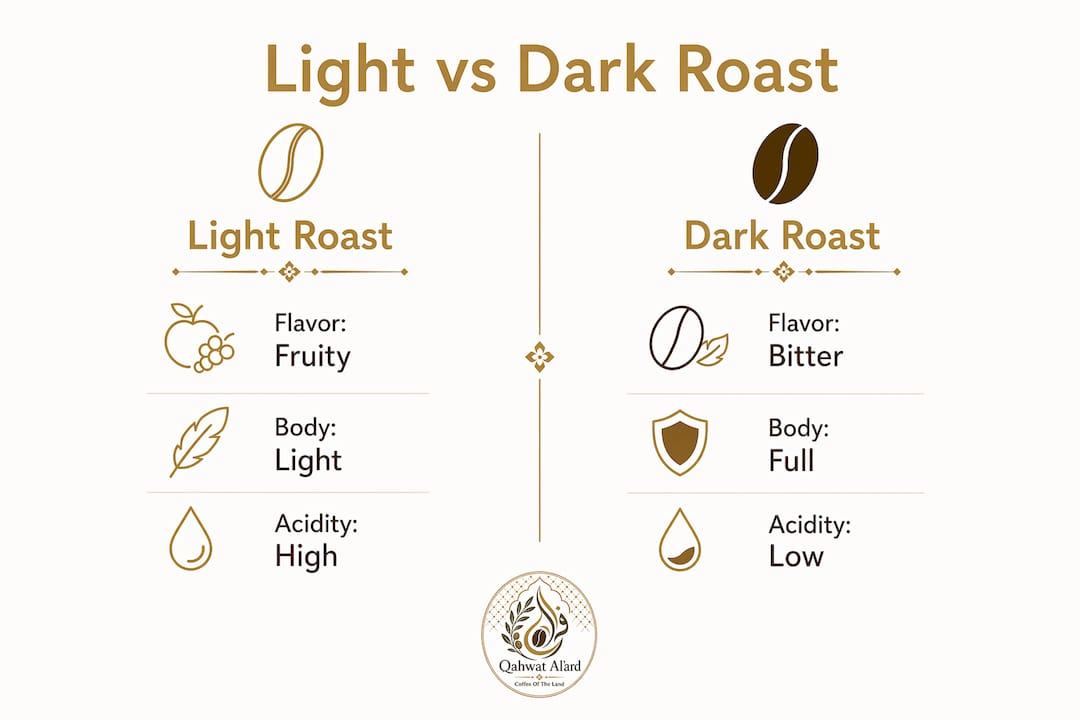
| Roast level | Typical flavor notes | Body | Acidity |
|---|---|---|---|
| Light | Berry, citrus, floral, tea-like | Light | High |
| Medium | Caramel, chocolate, nuts | Medium | Moderate |
| Dark | Smoke, dark chocolate, bitter | Full | Low |
Pro Tip: Pair a light roast Ethiopian coffee with a plain croissant or mild fruit. The pairing amplifies the floral and berry notes without competing flavors drowning them out.
The mouthfeel difference is real and worth noting. Light roast produces a thinner, more tea-like texture. Drinkers who prefer a heavy, coating sensation in their cup often find light roast underwhelming at first. That reaction usually changes once they brew it correctly and taste it at the right temperature.
Is light roast coffee stronger, and what are its health benefits?
The most common misconception about light roast coffee is that it is weaker than dark roast. Caffeine content by weight is actually slightly higher in light roast beans because caffeine is stable and does not degrade significantly during roasting. Dark roasting burns off a small amount of caffeine and also reduces bean density, meaning a scoop of dark roast beans contains less mass than the same scoop of light roast beans. The result is that light roast coffee, measured by weight, delivers equal or slightly more caffeine per gram.
The health picture is also compelling:
- Chlorogenic acid: Light roast retains more chlorogenic acid, a potent antioxidant linked to anti-inflammatory effects and blood sugar regulation. This compound breaks down progressively as roasting temperature increases.
- Melanoidins: Dark roasts produce more melanoidins through extended Maillard reaction and caramelization. These compounds have their own antioxidant and prebiotic properties, so neither roast level is universally superior for health.
- Acidity perception vs. reality: Light roast is perceived as more acidic, but the actual pH difference between roast levels is minimal. The brighter taste comes from preserved organic acids, not a meaningfully higher chemical acidity.
“The healthiest coffee is the one you enjoy consistently,” says Adrienn Szabó, a registered dietitian at Semmelweis University. “Light roast is favored for its higher chlorogenic acid levels, but dark roast produces melanoidins with distinct health effects. Health benefits vary by roast and consumption style.”
That perspective matters. Chasing the “healthiest” roast is less productive than finding the roast you will drink every day. Light roast offers a strong antioxidant profile, but the best cup is the one you actually finish.
How to brew light roast coffee for the best flavor
Brewing light roast coffee well requires a few adjustments that most guides skip. The beans are physically denser and harder than darker roasts, which creates real challenges for home grinders. Denser beans strain grinder motors more and can produce inconsistent particle sizes on entry-level burr grinders. A quality burr grinder, not a blade grinder, is non-negotiable for getting the most out of a light roast.
Follow these steps for a consistently excellent cup:
- Weigh your coffee, do not scoop it. Measuring by volume leads to dosing errors because light roast beans are denser and pack differently than dark roast beans. A digital kitchen scale removes that variable entirely.
- Choose the right brewing method. Pour-over methods like the Hario V60 and Chemex, along with the Aeropress, highlight light roast’s acidity and fruit notes. Drip brewers work well if they reach a brew temperature of 200°F–205°F. Espresso with light roast is possible but requires a finer grind and longer extraction time.
- Dial in your grind size. Light roast generally needs a slightly finer grind than you would use for the same method with a dark roast. Start medium-fine for pour-over and adjust based on taste. Sour or thin results mean grind finer. Bitter or harsh results mean grind coarser.
- Use water at the right temperature. Brew between 200°F and 205°F. Lower temperatures under-extract light roast and produce a sour, thin cup. Light roast needs the heat to pull out its full flavor range.
- Rest your beans after roasting. Fresh-roasted light roast beans release CO2 aggressively for the first few days. Brewing too soon produces uneven extraction. Wait at least 7 days from the roast date for best results.
Pro Tip: Store light roast beans in an airtight container away from light and heat. Avoid the freezer unless you are storing beans for more than a month. Repeated freeze-thaw cycles introduce moisture and degrade flavor.
Light roast also rewards experimentation with brew ratios. A standard 1:15 coffee-to-water ratio by weight is a solid starting point. Many specialty coffee drinkers prefer 1:16 or 1:17 for light roast to let the delicate flavors open up without over-concentration. You can explore roast level comparisons to understand how these adjustments shift across roast profiles.
Key Takeaways
Light roast coffee delivers the most origin-forward flavor of any roast level because its restrained roasting process preserves the bean’s natural acids, antioxidants, and aromatic compounds.
| Point | Details |
|---|---|
| Roasting temperature | Light roast stops at 350°F–400°F, right after first crack, preserving origin flavor. |
| Flavor profile | Expect bright acidity, fruity and floral notes, and a tea-like body rather than bitterness. |
| Caffeine content | Light roast contains equal or slightly more caffeine per gram than dark roast by weight. |
| Health benefits | Higher chlorogenic acid retention makes light roast a strong antioxidant choice. |
| Brewing tip | Weigh beans with a digital scale and brew at 200°F–205°F for consistent, flavorful results. |
Why light roast deserves more credit than it gets
I have been drinking specialty coffee for over a decade, and light roast is still the roast level that surprises people most. The common assumption is that a pale, thin-looking bean must produce a weak, watery cup. That assumption is wrong, and it keeps a lot of coffee drinkers from experiencing some of the most complex flavors the plant produces.
What I find genuinely fascinating about light roast is how honest it is. There is nowhere to hide. A mediocre bean roasted dark can mask its flaws behind smoke and bitterness. The same bean roasted light will show every defect clearly. That is why the best single-origin coffees, the ones sourced from specific farms and specific harvests, are almost always offered as light roasts. The roast is not the feature. The bean is.
The acidity myth is the one I push back on most often. People say they avoid light roast because it is “too acidic.” What they usually mean is they had a poorly brewed cup, under-extracted and sour, that tasted sharp. Proper brewing at the right temperature and grind size produces brightness, not sourness. Those are different sensations. One is pleasant complexity. The other is a brewing error.
My honest recommendation: start with a single-origin light roast from a traceable source, brew it as a pour-over, and taste it black before adding anything. You will understand immediately why specialty coffee professionals treat light roast as the clearest window into what coffee can actually taste like.
— Anthony-Yasin
Qahwatalard’s single-origin coffees for light roast exploration
Qahwatalard sources coffee directly from renowned growing regions, with traceability and freshness built into every product. If you want to experience what light roasting actually does to a high-quality bean, single-origin selections are the clearest place to start.
The single-origin collection at Qahwatalard features beans from distinct growing regions, each roasted to highlight the flavors the land and climate produce naturally. For drinkers who want to compare roast levels side by side, the African Espresso offers a vivid example of how origin character translates into the cup. Every product ships fresh, with roast dates listed, so you know exactly when to start brewing for peak flavor.
FAQ
What is light roast coffee exactly?
Light roast coffee is coffee roasted to an internal temperature of 350°F–400°F, stopped right after the first crack. The result is a light brown, dry bean that preserves the coffee’s original origin flavors and bright acidity.
Does light roast coffee have more caffeine than dark roast?
By weight, light roast contains equal or slightly more caffeine than dark roast because caffeine is stable during roasting and light roast beans are denser. Measuring by volume can skew results since lighter beans pack more mass per scoop.
Why does light roast taste fruity or floral?
Light roast preserves organic acids like citric and malic acid, along with aromatic compounds that break down at higher roasting temperatures. These compounds produce the berry, citrus, and floral notes characteristic of lightly roasted coffee.
Is light roast coffee good for your health?
Light roast retains more chlorogenic acid, a potent antioxidant, compared to darker roasts. Dietitian Adrienn Szabó at Semmelweis University notes that the healthiest coffee is the one you enjoy consistently, since health benefits vary by roast level and consumption habits.
What brewing method works best for light roast coffee?
Pour-over methods like the Hario V60 and Chemex, along with the Aeropress, produce the best results for light roast. Brew at 200°F–205°F and weigh your beans rather than measuring by volume for consistent extraction.


